Kidepo valley national park
Park at a glance:
Size: 1,442km2.
Altitude: 914m - 2750m above sea level.
The park features two seasonal rivers, Kidepo and Narus, which dry up during the dry season, leaving only pools for the wildlife. The local communities around the park include pastoral Karamojong people, similar to the Maasai of Kenya, and the IK, a hunter-gatherer tribe whose survival is threatened.
Kidepo Valley National Park lies in the rugged, semi-arid valleys between Uganda's borders with Sudan and Kenya, approximately 700 kilometers from Kampala.
Gazetted as a national park in 1962, it boasts a profusion of big game and hosts over 80 mammal species, as well as approximately 476 bird species. Kidepo is Uganda's most isolated national park. Still, the few who make the long journey north through the wild frontier region of Karamoja would agree that it is also the most magnificent, for Kidepo ranks among Africa's finest wildernesses.
From Apoka, in the heart of the park, a savannah landscape extends far beyond the Gazetted area, towards horizons outlined by distant mountain ranges. During the dry season, the only permanent water in the park is found in wetlands and remnant pools in the broad Narus Valley near Apoka. These seasonal oases, combined with the open savannah terrain, make the Narus Valley the park's prime game-viewing location.
Wildlife Data in Kidepo Valley National Park
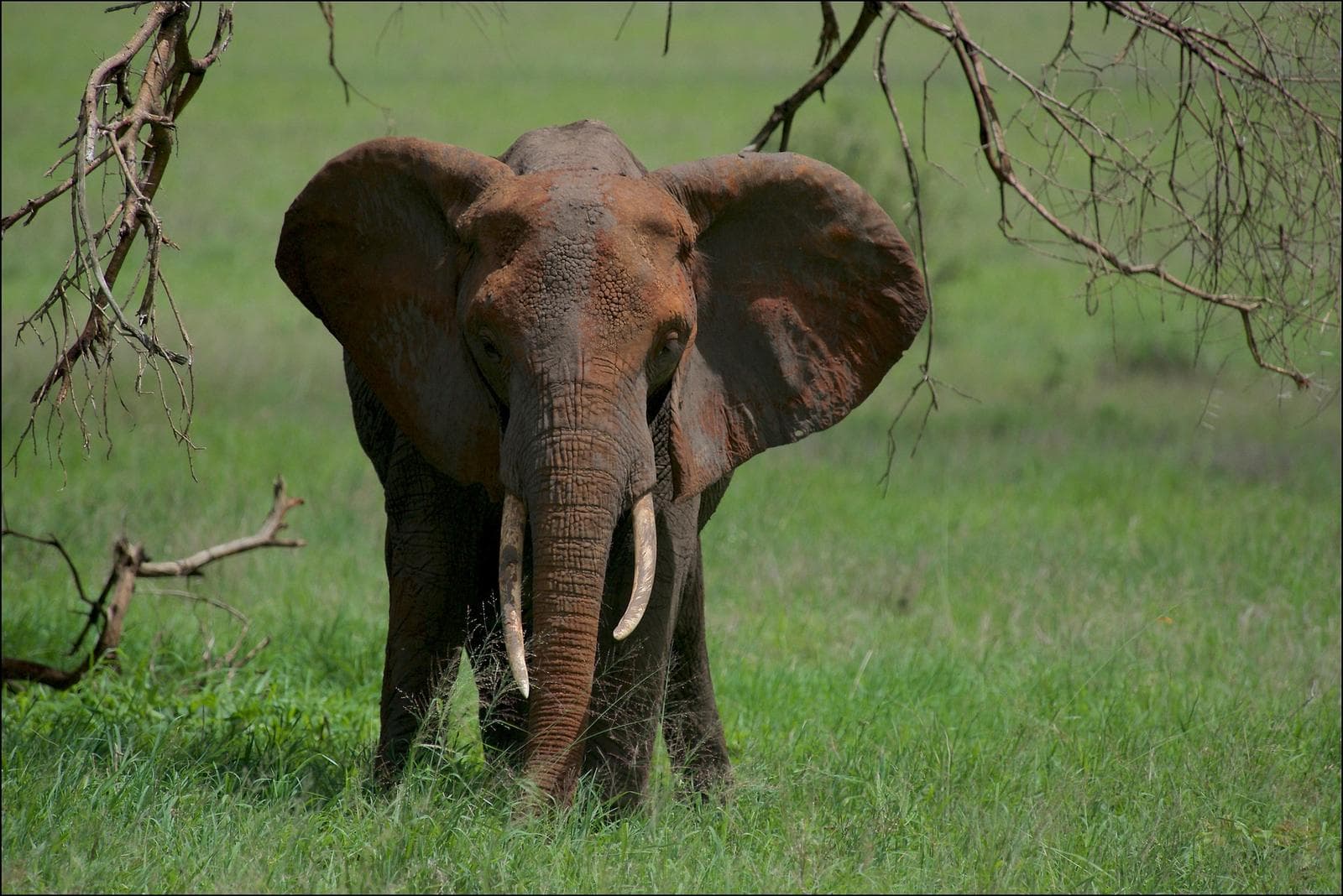
Due to conservation efforts by the Uganda Wildlife Authority and neighboring communities, Kidepo's elephant population has increased to between 650 and 1000 today, up from around 200 in the mid-1990s. The African Buffalo population is now estimated to be between 10,000 and 15,000.
The Rothschild Giraffe is very common, with more than 50 individuals born since the bottleneck of the mid-1990s, when only three recorded individuals existed, supplemented by translocations to other parts of the country.
There is a whopping 476 bird species population, the most notable ones are the Ostrich, secretary bird, northern carmine bee eater, little green bee eater, Abyssinian scimitar bill, and the isabelline wheatear
0 Frequently Asked Questions
Have any inquiries?
Related safaris
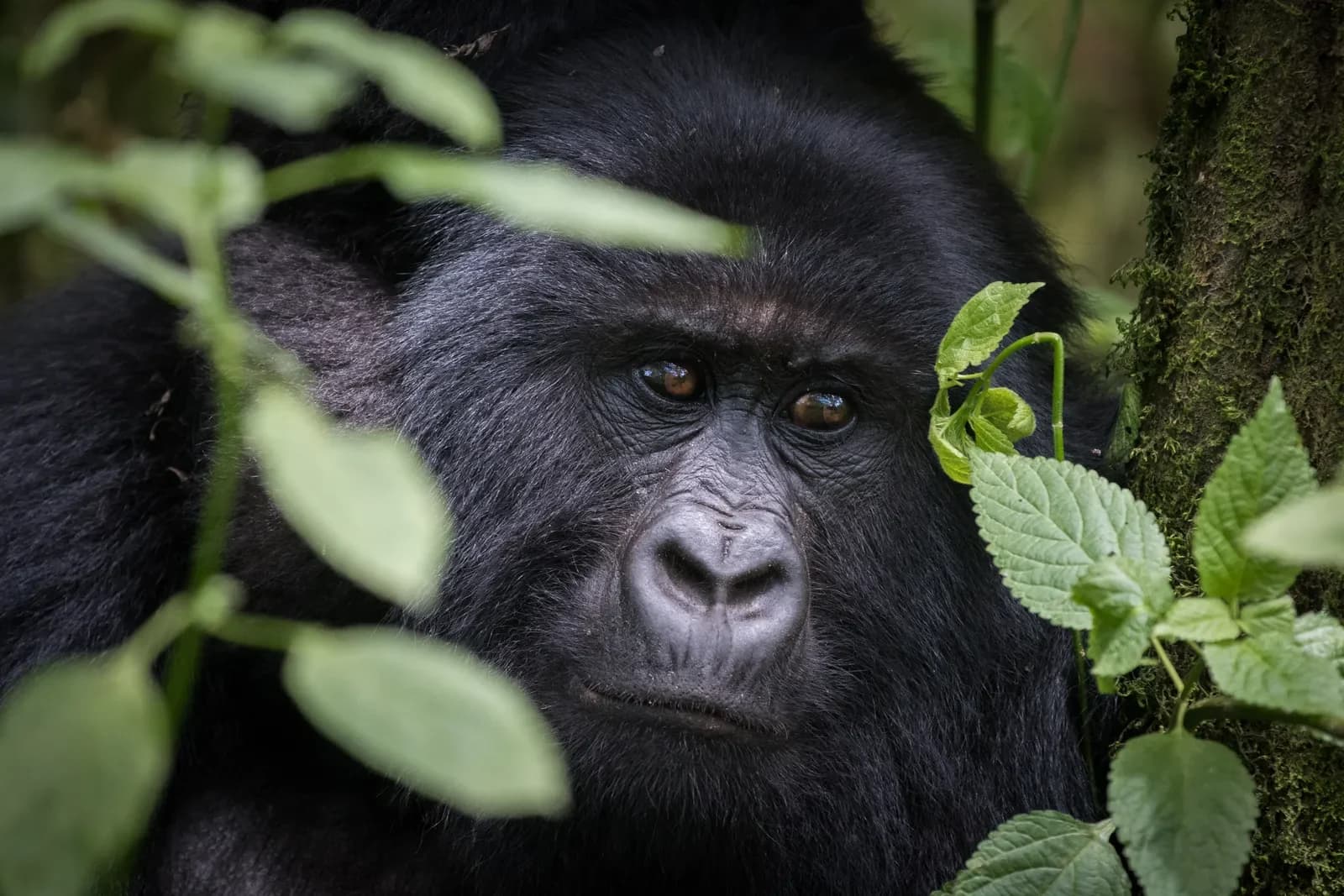
11 Days Rwanda, Uganda and Tanzania Gorilla Trekking and Wildlife Safari
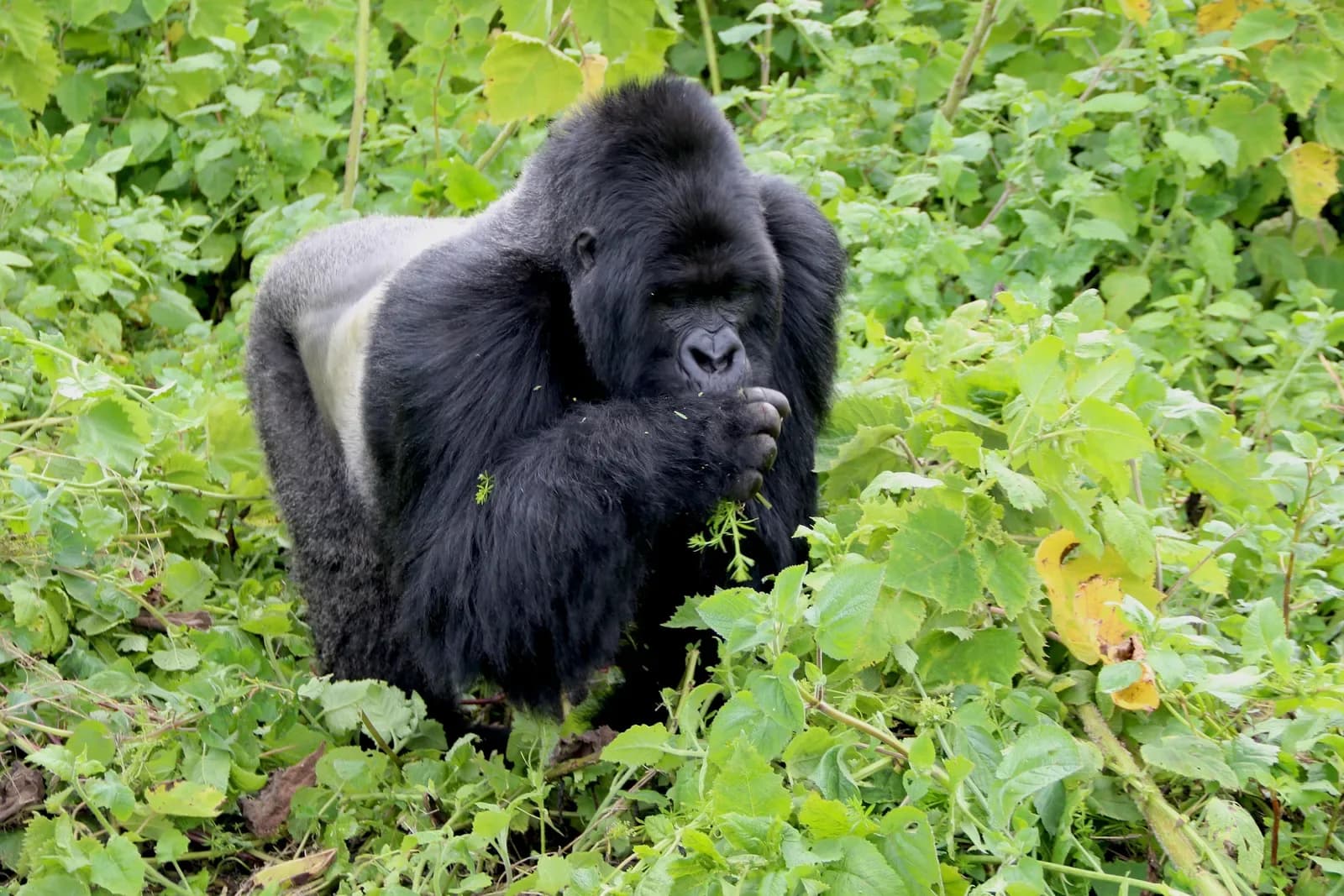
12 Days Rwanda, Uganda and Tanzania Primate and Wildlife Safari
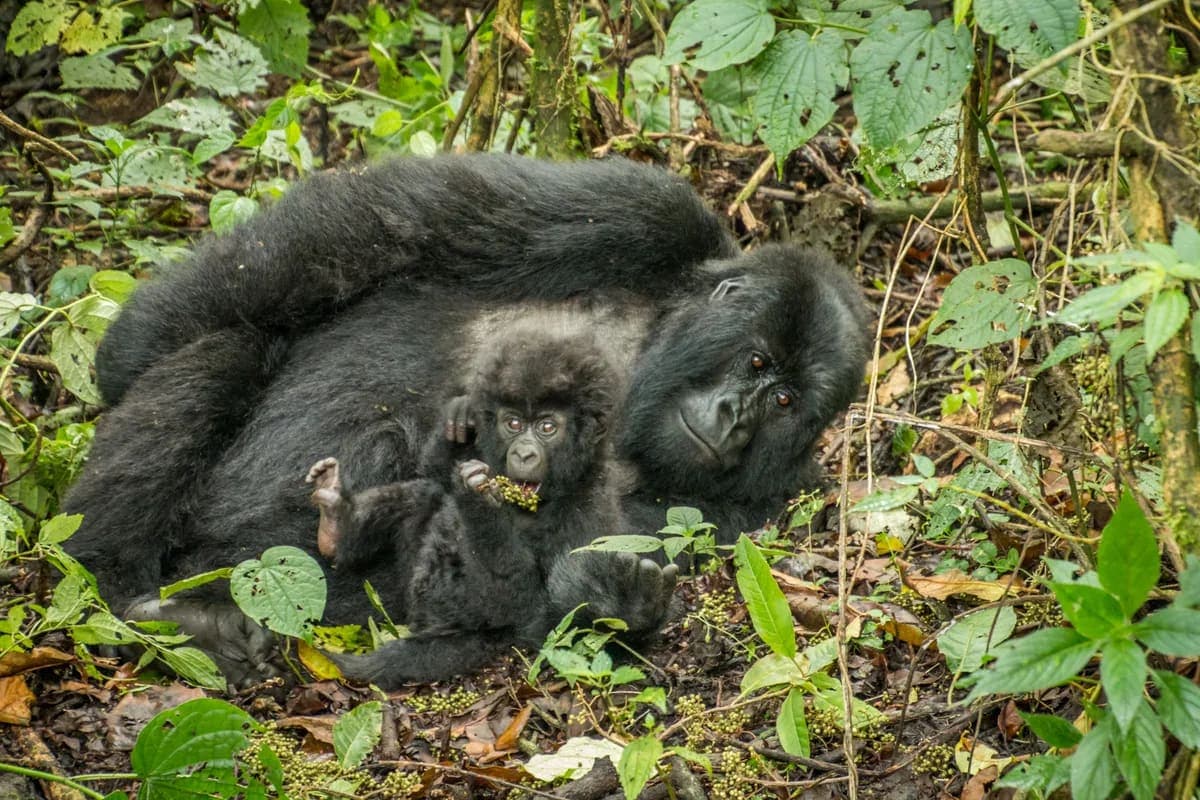
14 Days Rwanda, Uganda and Tanzania Primate and Wildlife Safari
Related parks

Semliki National Park
Semuliki National Park sprawls across the floor of the Semuliki Valley on the remote, western side of the Rwenzori. The park is dominated by the easternmost extension of the great Ituri Forest of the Congo Basin. This is one of Africa's most ancient and bio-diverse forests; one of the few to survive the last ice age, 12-18,000 years ago.
View park
Entebbe City
Discover Entebbe’s top attractions, from wildlife sanctuaries and botanical gardens to Lake Victoria beaches, birding tours, and rich culture.
View park
Mount Elgon National Park
At 4,000km² Mount Elgon has the largest volcanic base in the world. Located on the Uganda - Kenya border it is also the oldest and largest solitary, volcanic mountain in East Africa. Its vast form, 80 kilometers in diameter, rises more than 3,000 meters above the surrounding plains.
View parkNews and Updates
Best Time to Visit Uganda for a Safari: A Month-by-Month Guide
Discover the best time to visit Uganda for a safari. Explore monthly weather, gorilla trekking seasons, wildlife viewing, and expert travel tips.
Read moreUganda, Rwanda Primate Trekking and African Safari Packing List
Plan your Uganda and Rwanda safari with a practical packing list for gorilla, chimpanzee and golden monkey trekking, game drives and changing weather.
Read more
Cash Payments and US Dollar Guidelines
Learn how to pay your safari balance in Uganda, Rwanda and Tanzania, including US dollar cash requirements, card payments, fees and local currencies.
Read more