Bakiga
Introduction
The Bakiga are a diverse tribe that inhabit districts in Rubanda, Kabale, Rukiga, Kanungu, and parts of Rukungiri and Ntungamo, which together form the original Kigezi region.
Due to overpopulation, in 1946, John Paul Ngorogoza led the massive resettlement of the Bakiga in the then Nkore and Bunyoro regions. Since then, the Bakiga have been migrating to these regions, now known as Kibale, Kabarole, Rukungiri, Kasese, Hoima, Masindi, Mubende, Rwampara, Ruhama, Ibanda, and Kyenjojo.
They have also settled in Masaka and Rakai districts. They are physically strong people who speak Rukiga, a Bantu language.
Where did the Bakiga come from
The actual origins of the Bakiga are hidden in varying traditions. Some say that the Bakiga originally lived in Karagwe, having migrated from Bunyoro during the Luo Invasion. They are associated with the Banyambo of Tanzania.
Another tradition, which seems more relevant, states that the Bakiga originated in Buganza, Rwanda. They migrated from Buganza in search of fertile land to escape natural hazards and internal political conflicts.
From Rwanda, the Bakiga are said to have migrated to Bwisa, then to Bugoyi, and subsequently to Rutchru, all in Zaire, from where they finally settled in Kigezi. Since the Bakiga are Bantu speakers, this tradition could be true.
What may also be true is that the Bakiga were part of the Bantu-speaking group that migrated from the Congo region, through Bunyoro, Karagwe, Rwanda, and eastern Zaire, finally settling in Kigezi. What has not yet been established is the exact date of their settlement in each of the areas en route to Kigezi.
Social set-up
The Bakiga were organized into clans, the biggest of which was the Basigi clan. Each clan was composed of several lineages, and each lineage had ahead of it Omukuru w'omuryango. A man was not allowed to marry from his clan.
Marriage
Marriage has been and remains an essential cultural institution among the Bakiga. Traditionally, no marriage could be honored without the payment of bride wealth. In the past, a marriage could be arranged by the boy's father or an uncle on his behalf.
The final arrangements could only be made after the bride's wealth had been paid. The boy's father usually paid bride wealth. It involved cows, goats, hoes, and a mat, among many other traditional goodies. The amount paid differed from group to group and from family to family within each group.
It was said to be taboo to sell any animals given as bride wealth. Such animals could, in turn, be used to obtain wives for the girl's brothers or father.
The Bakiga were a very polygamous society; the number of wives was only limited by the availability of land and bride wealth obligations. This is still noted among many Bakiga families.
The Bride's wealth paid to the girl was shared among the girl's principal relatives. Of the relatives, the most important were Nyinarimi (maternal uncle) and Ishenkazi (paternal aunt). If one of them went away dissatisfied, so they said, he could render the girl barren or cause her to have incessant ill-health by inciting the wrath of the ancestors.
Boys tended to marry at a slightly later age, between eighteen and twenty, while girls could be married off between fourteen and sixteen. The general trend was for girls from wealthier families to marry later than those from poorer families.
Before marriage, a girl would spend a month or so in seclusion. During this period, she would be well fed and instructed in the art of home management.
Divorce
Divorce was a common phenomenon among the Bakiga. The common causes were barrenness and laziness on the part of the wife or the husband. Other misunderstandings between a husband and a wife can also lead to divorce.
A divorced woman was allowed to remarry, but she would fetch less bride wealth this time as she would no longer be a virgin. The elders settled the majority of would-be divorce cases. They would generally be called by the woman's father to listen to both the husband and the wife and try to have the two sides reach an amicable conclusion that would prevent divorce.
In such cases, it was normal to find the offending party. Fighting in the home between husbands and wives was common but rarely led to divorce.
Religion
The Bakiga believed in a supreme being, RUHANGA, the Creator of all things earthly and heavenly. At a lower level, they believed in the cult of Nyabingi. The Nyabingi cult was believed to have originated from Karagwe.
It had its base at Kagarama, near Lake Bunyonyi. There were special shrines for Nyabingi known as ENDARO. Through Nyabingi's representatives, known as Abagirwa, people would worship and tender sacrifices of beer and roasted meat to Nyabingi.
Economy and Economics
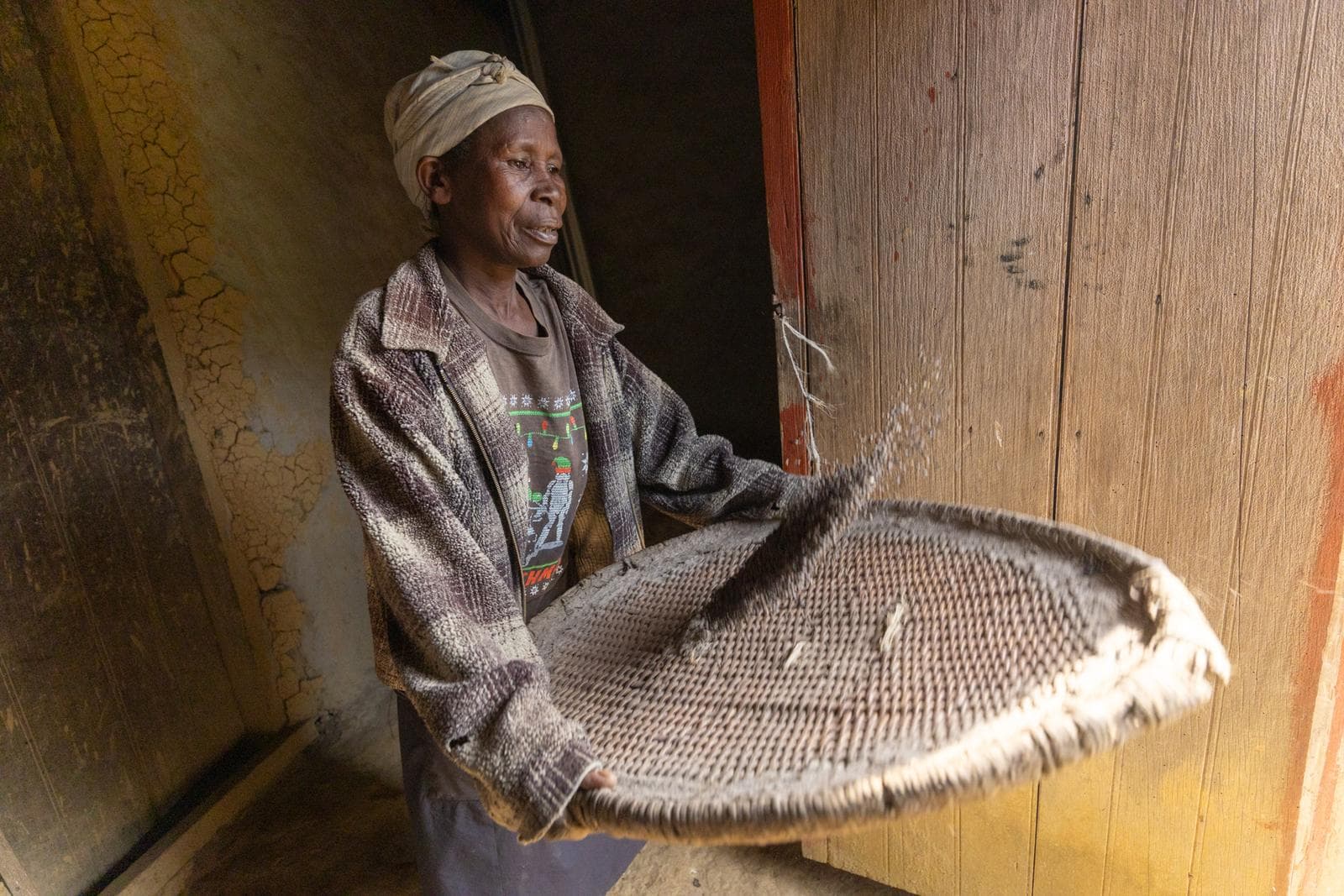
The Bakiga were basically agriculturalists growing mainly sorghum, peas, millet, and beans. They also reared some cattle, sheep, and goats. Among them were excellent iron-smiths who made hoes, knives, and spears. They were great potters and produced a wide assortment of pottery.
Besides, they made a wide range of carpentry items, baskets, and mats, and reared bees to produce honey.
The Bakiga lived and worked communally. Most economic activities were done on a communal basis. Grazing, bush clearing, cultivation, and harvesting were done communally. The men cleared the bush while the women tilled the land. Men worked together to erect round, grass-thatched huts for shelter.
They practiced barter trade amongst themselves and between their neighbors. The staple foods of the Bakiga were sorghum, beans, and peas. They supplemented them with pumpkins, yams, meat, and a variety of green vegetables. Sufficient food was prepared so that everyone could eat their fill.
It was considered good manners to join in whenever one found a given family at a meal. One would just wash one's hands and join the others without waiting to be invited. If a man had more than one wife, all his women had to serve him at each meal. He could eat the most delicious share of the food among the lot, or all of it if he so wished.
The Bakiga made beer, omuramba, which played a significant social role. It had a food component and was an alcoholic drink necessary for social gatherings. Omuramba was normally taken from a pot placed in a convenient place.
The men would sit on wooden stools surrounding it and by means of long tubes; they would drink as they discussed matters affecting their country. The elders would also settle disputes, recite their heroic deeds and their history, and sing and dance around a pot of Omuramba, this culture has remained outstanding in remote area where there is still plenty.
The Bakiga were and still are very good zither (Enanga) players. They played it alone or in groups.
Utensils
The Bakiga's domestic utensils included baskets, pots, winnowing trays, stools, grinding stones, wooden pestles, mortars and mingling ladles. The other household items were drums and harps for entertainment; spears, bows and arrows for defense and hunting; grass mats (Ebirago) for sleeping on and Emishambi for sitting on.
Previously the Bakiga women dressed in cow hides known as Ebishaato or Enkanda. They wore bangles on their legs and arms.
Political Set up
The Bakiga ware a segmentary society. Political authority rested in the hands of lineage leaders, Abakuru b'emiryango, many of whom had excellent oratory as well as military skills. They were supposed to be impartial in administering justice. Some leaders such as Basubi emerged to prominence because they had mystical skills.
They were rain makers. Others were Baigirwa, the mediums of Nyabingi cult. The Bakiga were warlike. They resisted the Batutsi and Bahima incursions. As a politically segmented society, they did not have a standing army. However, they had warlords who would mobilize and lead the people to war in the event of invasion.
The warlords were men who had killed a large number of enemies in wars without losing any of their men or weapons. Every able-bodied male was culturally obliged to be a soldier.
Judicial Systems
The Bakiga abhorred anti-social activities and if anyone was caught he was heavily punished. Such activities included stealing, blocking paths, murder, sorcery and night dancing. In the case of murder for example, the murderer was buried alive in the same grave with the victim, you remember the infamous Kapere Kabugongi story.
Virginity was highly esteemed and it was a very serious offense for a girl to get pregnant before marriage. If an unmarried girl became pregnant, she would either be taken to a forest or tied to a tree feet and arms and town over a cliff. Most pregnant girls among the Bakiga were taken to the Kisizi falls in Ndorwa and thrown down the cliff.
They would drown in the falls while others were taken to the punishment island on Lake Bunyonyi, The lucky ones were simply cursed and disowned by their people. The story of the Bakiga I a real fairy tale, much of it still evident in areas of rural Kigezi Musana Tours and Travel plans such cultural tours and will give you access to the real custodians of the history of this mighty tribe, you will encounter and din with the elders, visit historical sites, and experience their culture fist hand.
0 Comments
Write your comment
Top safaris
9 Days Gorilla tracking in Uganda, Tarangire, Ngorongoro, and Serengeti National Park in Tanzania
3 Days Hadzabe, Masai and Ngorongoro Crater Safari, Tanzania
21 Days Epic East Africa safari, gorilla trekking in Bwindi, Big Five safaris and Zanzibar Beach escape
News and Updates
Entebbe for the Seasoned Traveler: Where to Stay, Drink Coffee and Spend Your Time
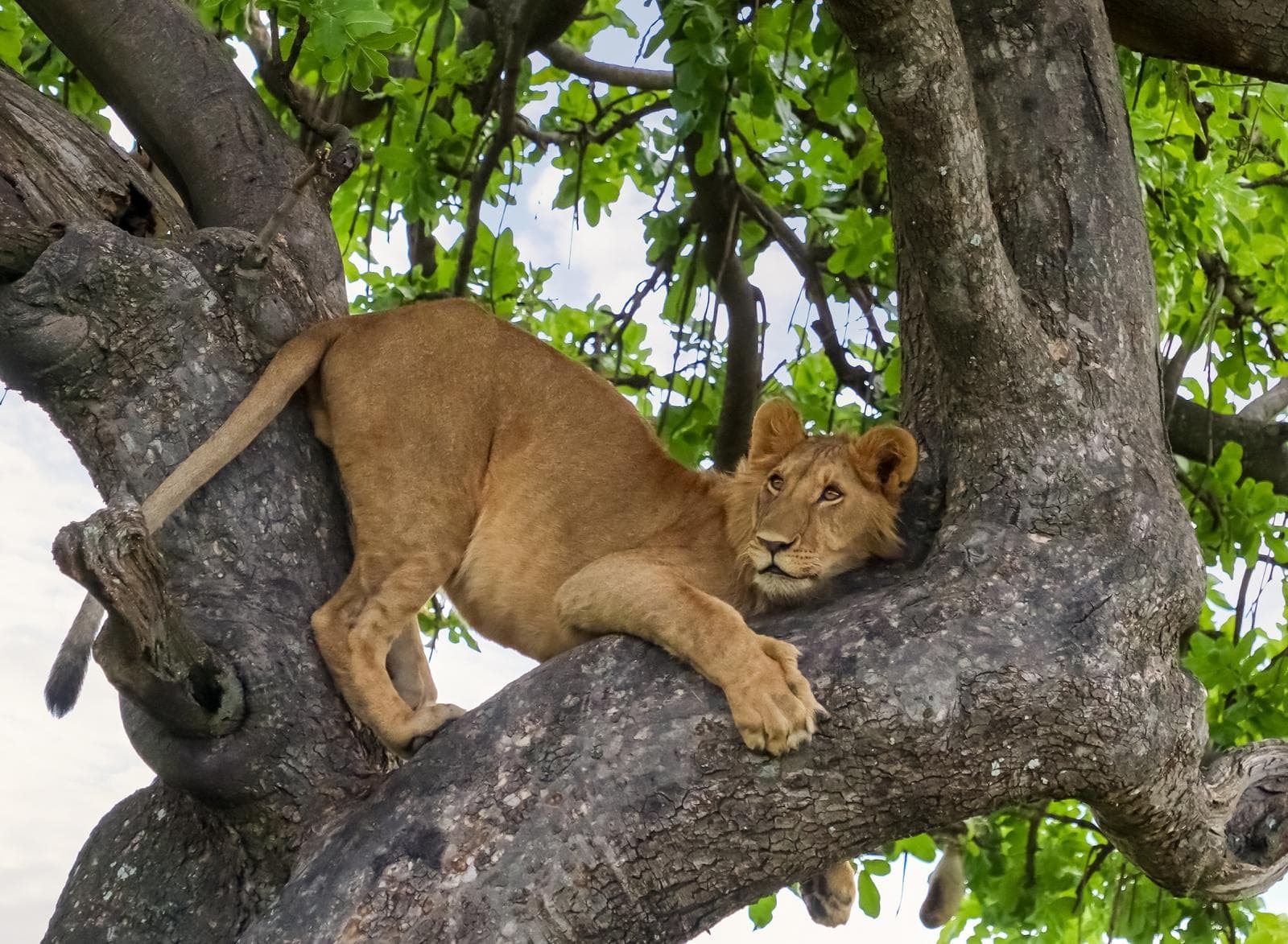
Discover the best places to stay, drink Ugandan coffee and explore Entebbe, from Lake Victoria cruises and botanical gardens to shoebill tracking and conservation experiences. For many visitors, Entebbe is simply the place where their flight lands before they continue to Kampala, Bwindi, Murchison Falls, or another part of Uganda. Experienced travelers know better. Set along the northern shores of Lake Victoria, Entebbe offers something increasingly rare in modern travel: a gentle arrival. Its leafy streets, tropical gardens, lakeside restaurants, historic institutions, and unhurried atmosphere provide a welcome transition between an international flight and the intensity of an African safari. Entebbe does not demand that you rush from one attraction to another. It rewards travelers who stay for a night or two, recover from the journey, drink good Ugandan coffee, and explore at a considered pace.
Read more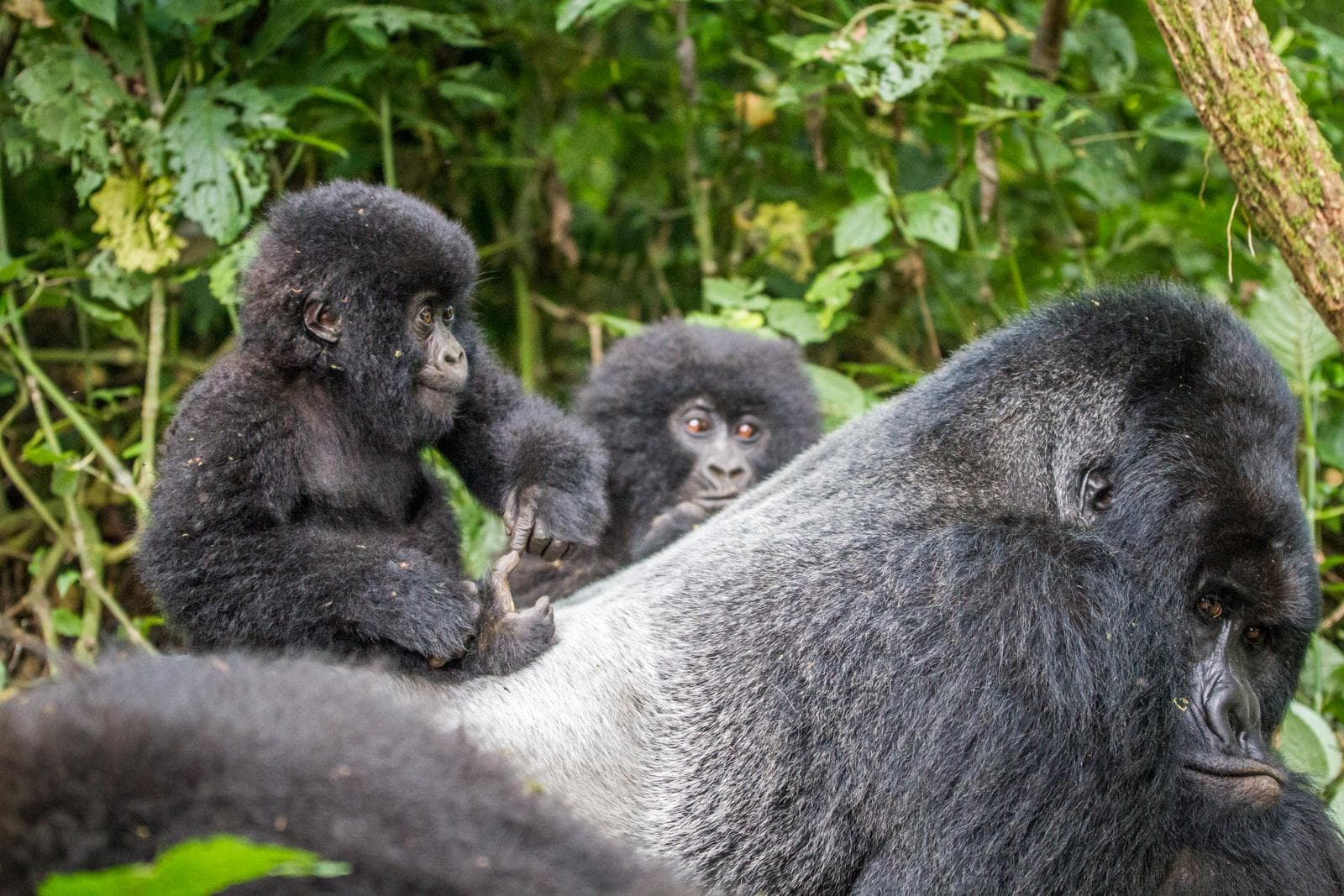
Uganda Wildlife Authority Announces New Permit Tariffs Effective 1 July 2026, What you Need to Know
Discover Uganda Wildlife Authority's 2026 permit prices for gorilla trekking, chimpanzee tracking, and safari experiences. Plan your Uganda adventure today.
Read more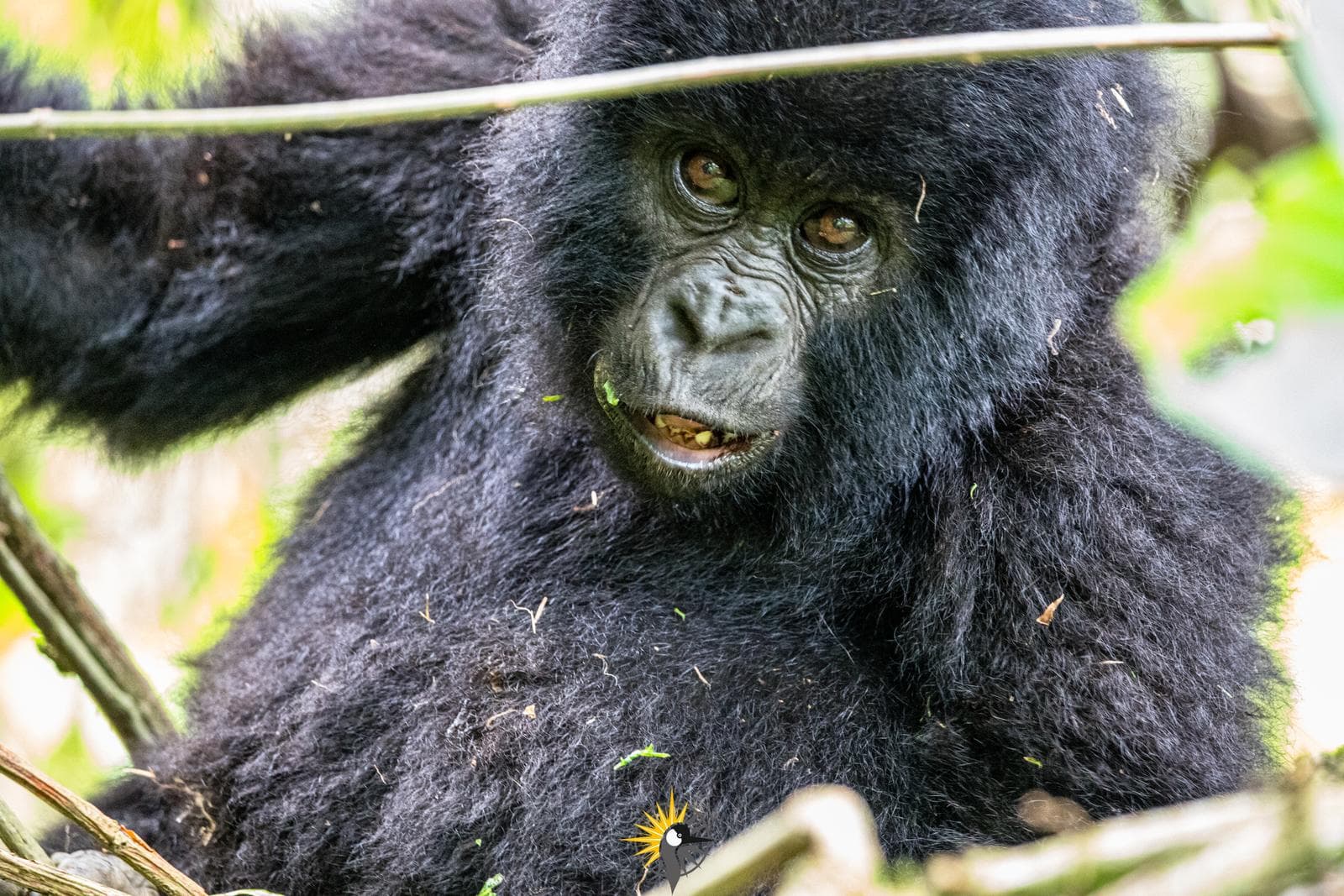
Discounted Gorilla Permits in Uganda 2026, Save on Gorilla Trekking Safaris
Discover discounted Uganda gorilla permits in 2026. Save on trekking in Bwindi & Mgahinga during low season months for an unforgettable safari.
Read more