Birding in Queen Elizabeth National Park, A 7-Day Adventure with Musana Tours & Travel
If you’re a passionate birder or just starting to explore the fascinating world of bird watching, Queen Elizabeth National Park in western Uganda should be at the top of your list. With more than 600 bird species recorded, one of the highest of any protected area in Africa, it’s a paradise for ornithologists, photographers, and nature lovers alike.
For over 30 years, Musana Tours & Travel has been crafting unforgettable birding trips in this spectacular park. Our deep local knowledge, experienced guides, and commitment to sustainable tourism make every birding adventure both rewarding and educational. Whether you’re chasing your first lifer or adding rare species to your list, we’ll make sure your Queen Elizabeth experience is one to remember.
Why Queen Elizabeth National Park Is a Birding Paradise
Queen Elizabeth National Park lies within Uganda’s western rift valley, stretching from the volcanic Rwenzori foothills to the vast savannah plains bordering the Democratic Republic of Congo. Its diversity of habitats, lakes, wetlands, open savannah, acacia woodland, and rainforest, creates ideal conditions for an extraordinary range of birds.
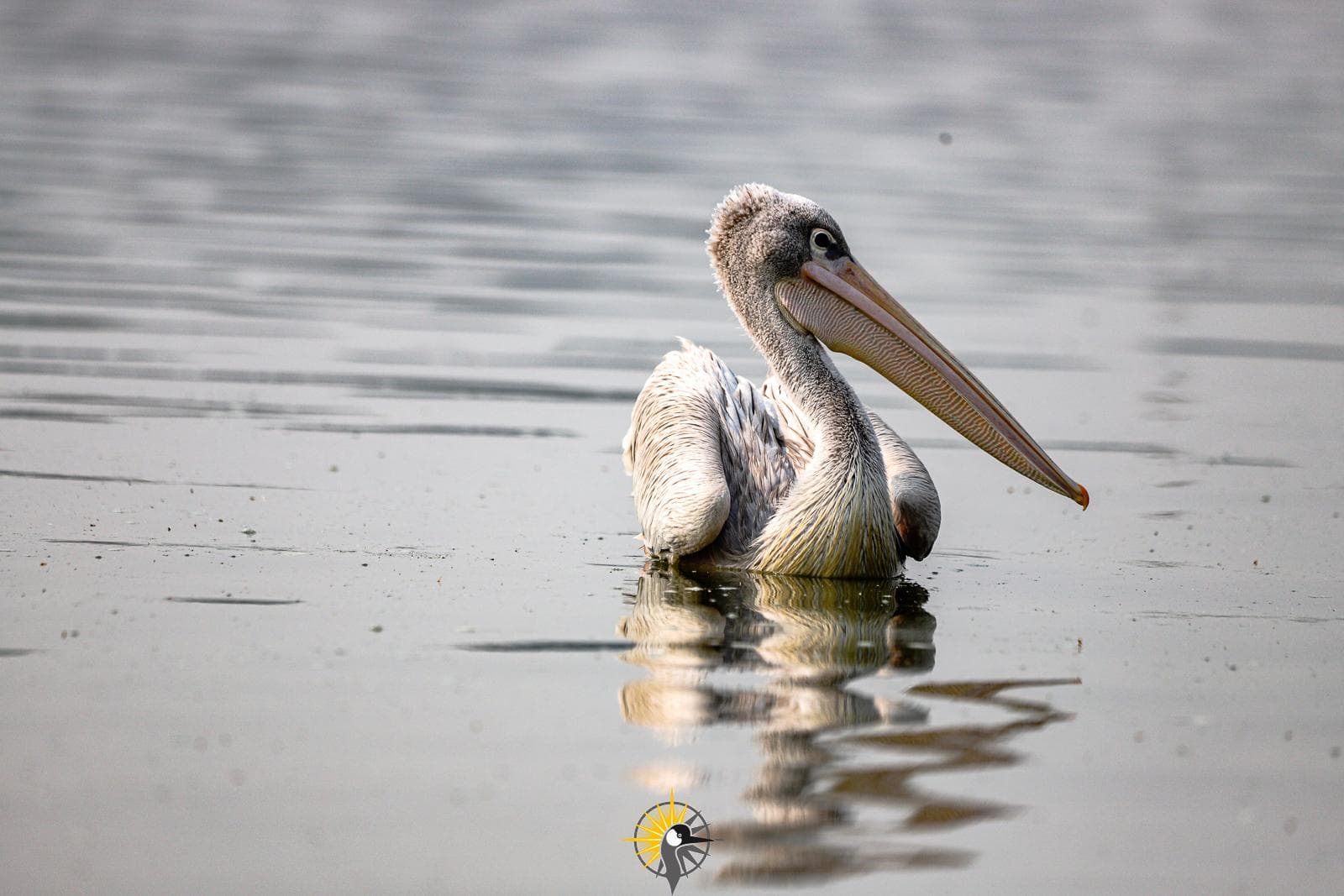
From the elusive Shoebill Stork to flocks of Pink-backed Pelicans and the impressive Long-crested Eagle, birding here is both thrilling and varied. The park’s mix of habitats means every corner hides a new surprise; you might be photographing flamingos in the morning and tracking raptors by afternoon.
Birds to Watch For: Resident, Endemic & Migratory Species
One of the joys of birding in Queen Elizabeth is spotting species that are either rare, regionally endemic, or migratory visitors escaping the northern winters.
Resident & Regionally Endemic Birds
- Hooded Vulture: Often soaring above the plains, this critically endangered species is a highlight for raptor lovers.
- Pink-backed Pelican: Common along the Kazinga Channel, easily recognized by its rosy back feathers.
- Long-crested Eagle: A majestic forest-edge hunter with dramatic head plumes.
Migratory Birds (Seasonal Visitors)
- Lesser Flamingo: Seen seasonally in shallow crater lakes, creating breathtaking pink displays.
- European Bee-eater: A colorful visitor that brings vibrancy to the park’s woodlands.
- Montagu’s Harrier: Graceful and fast, often gliding low over open plains during migration.
These species, combined with hundreds of others, kingfishers, weavers, storks, herons, and warblers, make the park a year-round birding hotspot.
Best Birding Areas in Queen Elizabeth National Park
Queen Elizabeth National Park is vast, and its birding opportunities vary with habitat. Over the years, our guides at Musana Tours & Travel have identified the best trails and sites for both birdwatching and bird photography.
1. Kazinga Channel
The 32-km waterway linking Lake George and Lake Edward is a bird watcher’s dream. Boat cruises here offer close encounters with pelicans, African Skimmers, cormorants, storks, and kingfishers.
Tip: Early-morning and late-afternoon cruises provide the best light for photography and the highest bird activity.
2. Maramagambo Forest
This lush tropical forest contrasts beautifully with the park’s open plains. It’s home to forest specialists like the Rwenzori Turaco, African Emerald Cuckoo, and Green Hylia. The forest trails are calm and shaded, perfect for quiet bird watching on foot.
3. Mweya Peninsula
Surrounded by water on three sides, Mweya is rich in both savannah and water birds. You’ll see weavers, sunbirds, lapwings, and black-headed gonoleks. It’s also a top spot for bird photography, especially at sunrise when the light hits the channel.
4. Kasenyi Plains & Ishasha Sector
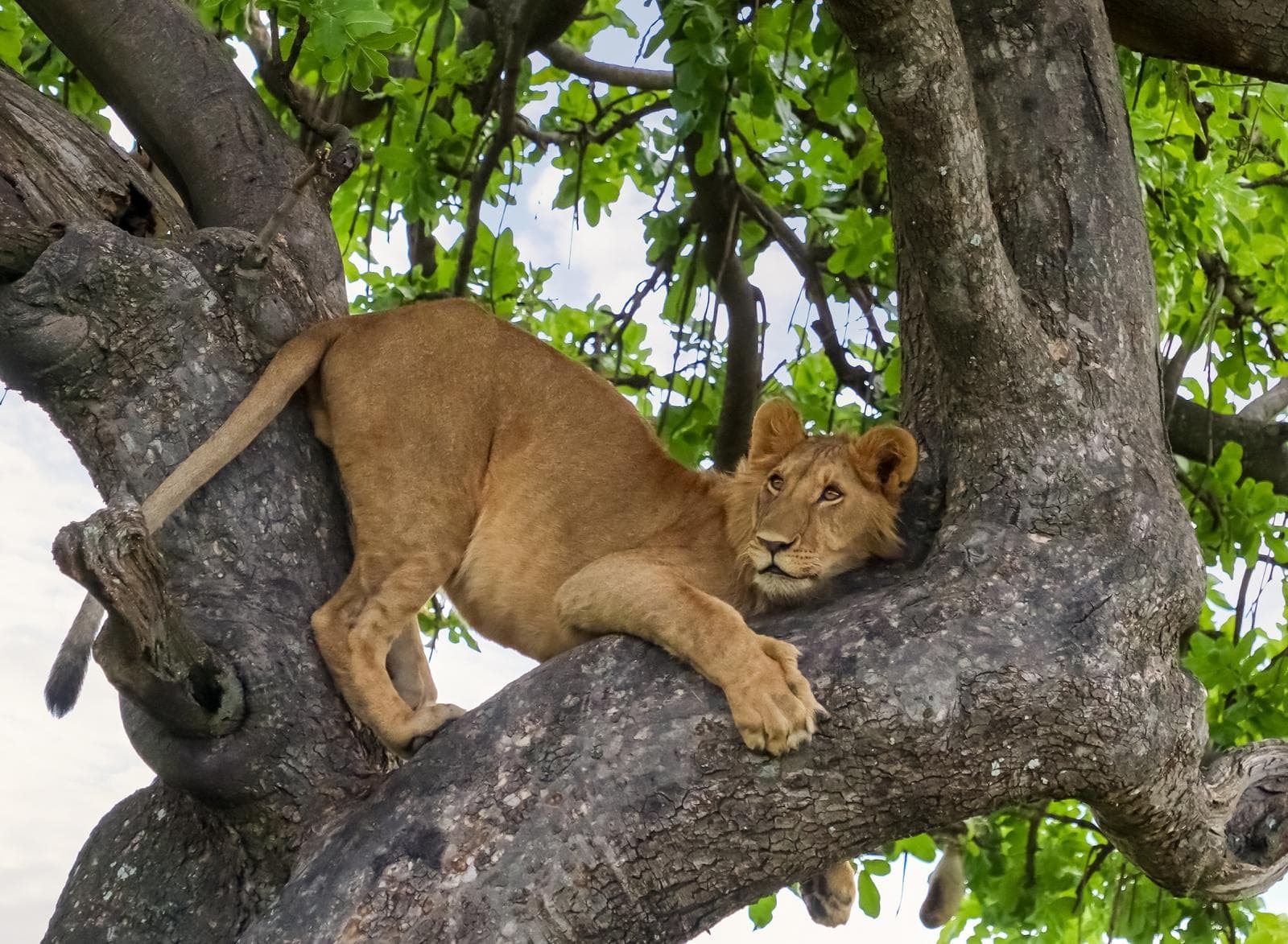
The open grasslands of Kasenyi are raptor heaven, with Hooded Vultures, Martial Eagles, and Long-crested Eagles patrolling the skies. Further south in Ishasha, papyrus wetlands attract pelicans, storks, and, occasionally, the Shoebill Stork. Ishasha is also famous for its tree-climbing lions, a rare bonus for birders.
5. Lake Kikorongo & Katunguru Bridge Area
These quieter zones host papyrus specialists and waterfowl. The lack of crowds makes them ideal for patient bird photography and peaceful observation.
Best Time to Visit for Birding
While birding is rewarding all year, some months offer exceptional experiences:
- Dry Season (June – September): Best for accessibility, open trails, and easier viewing as birds congregate near water sources.
- Wet Season (November – April): Ideal for spotting migratory species such as the European Bee-eater and Montagu’s Harrier. Lush green backgrounds make for stunning photos, though trails can be muddy.
Our Expert Tip: If you want both residents and migratory birds, plan your trip between May and July or November and February for the perfect balance of weather and species diversity.
The 7-Day Birding Safari Experience
Our 7-day birding tour is designed to maximize sightings and minimize travel fatigue. A typical itinerary looks like this:
- Day 1: Arrival and evening birding walk near your lodge.
- Day 2–3: Explore Kazinga Channel and Mweya Peninsula by boat and on foot.
- Day 4: Full day in Maramagambo Forest for forest birds.
- Day 5: Birding in Kasenyi Plains – raptors and open savannah species.
- Day 6: Ishasha Sector for wetlands and possible Shoebill sightings.
- Day 7: Morning birding and departure.
Each trip is fully guided by our expert birding team, ensuring every sighting counts and every question is answered.
Equipment & Birding Tips
Even if you don’t have professional gear, you’ll still enjoy birding in Queen Elizabeth National Park. But for those who want to make the most of it, here’s what the experts recommend:
Recommended Equipment
- Binoculars (8×42 or 10×42)
- DSLR or mirrorless camera with 300 mm+ zoom lens
- Lightweight tripod or monopod
- Field guide to East African birds or a birding app
- Comfortable hiking boots and breathable clothing
- Insect repellent, hat, sunscreen, and reusable water bottle
Safety & Etiquette
- Stay on marked trails and always follow your guide.
- Avoid loud noises — silence rewards you with closer sightings.
- Dress in neutral colors like khaki or olive.
- Respect wildlife — never chase or bait birds.
- Carry plenty of water and stay sun-protected.
Why Choose Musana Tours & Travel
At Musana Tours & Travel, birding isn’t just an activity; it’s a passion we’ve lived for over 30 years. Our guides are not only experienced birders but also natural storytellers, making every outing educational and fun. We tailor every safari to your interests, pace, and photography goals, ensuring you get a truly personal experience.
Whether you’re traveling solo, as a couple, or with a small group, our team will handle every detail, from accommodation to permits, so that you can focus on the birds.
✉️ Plan Your Birding Trip Today
Ready to tick off Uganda’s most spectacular bird species?
Join Musana Tours & Travel for a once-in-a-lifetime 7-day birding safari in Queen Elizabeth National Park.
Email: info@musanatoursandtravel.com
Phone/WhatsApp: +256393228580
Website: www.musanatoursandtravel.com
Discover the call of Africa’s wild heart — and let the birds of Queen Elizabeth National Park sing your story.
0 Comments
Write your comment
Top safaris
9 Days Gorilla tracking in Uganda, Tarangire, Ngorongoro, and Serengeti National Park in Tanzania

3 Days Hadzabe, Masai and Ngorongoro Crater Safari, Tanzania
21 Days Epic East Africa safari, gorilla trekking in Bwindi, Big Five safaris and Zanzibar Beach escape
News and Updates
Entebbe for the Seasoned Traveler: Where to Stay, Drink Coffee and Spend Your Time
Discover the best places to stay, drink Ugandan coffee and explore Entebbe, from Lake Victoria cruises and botanical gardens to shoebill tracking and conservation experiences. For many visitors, Entebbe is simply the place where their flight lands before they continue to Kampala, Bwindi, Murchison Falls, or another part of Uganda. Experienced travelers know better. Set along the northern shores of Lake Victoria, Entebbe offers something increasingly rare in modern travel: a gentle arrival. Its leafy streets, tropical gardens, lakeside restaurants, historic institutions, and unhurried atmosphere provide a welcome transition between an international flight and the intensity of an African safari. Entebbe does not demand that you rush from one attraction to another. It rewards travelers who stay for a night or two, recover from the journey, drink good Ugandan coffee, and explore at a considered pace.
Read more
Uganda Wildlife Authority Announces New Permit Tariffs Effective 1 July 2026, What you Need to Know
Discover Uganda Wildlife Authority's 2026 permit prices for gorilla trekking, chimpanzee tracking, and safari experiences. Plan your Uganda adventure today.
Read more
Discounted Gorilla Permits in Uganda 2026, Save on Gorilla Trekking Safaris
Discover discounted Uganda gorilla permits in 2026. Save on trekking in Bwindi & Mgahinga during low season months for an unforgettable safari.
Read more