Coordinates
Uganda is located in East Africa and has approximate coordinates of 1.3733° N latitude and 32.2903° E longitude.
Average Rainfall
Uganda experiences a tropical climate with distinct wet and dry seasons. The average annual rainfall varies across the country. In the northern and eastern regions, it can be as low as 800 mm (31 inches), while in the western and central areas, it can range from 1,000 mm to 2,000 mm (39 to 79 inches) or more.
The southern and southwestern parts of the country generally receive higher rainfall, often exceeding 2,000 mm (79 inches) annually.
Average Temperatures
Uganda's temperatures are relatively consistent throughout the year due to its proximity to the equator. In the lowland areas, the average daytime temperatures range from 25°C to 29°C (77°F to 84°F), with slight seasonal variation.
At lower elevations, like in the capital city, Kampala, temperatures tend to be milder, with averages ranging from 17°C to 27°C (63°F to 81°F). In mountainous regions, such as the Rwenzori Mountains, temperatures can drop significantly at higher altitudes to around 10°C.
Capital City
The capital city of Uganda is Kampala. It is the largest city in the country and serves as its political, economic, and cultural center.
Uganda covers a surface area of 241,038 km² (93,000 square miles) and has a population of 48,582,334. About 70% of Uganda is covered by forests, woodlands, and grasslands. About 8% (18,672sq km) of the territory of Uganda is protected in national parks (this is part of the 70%), national forests, and game reserves. Rivers, lakes, and wetlands cover about 18 percent of Uganda's total surface area, and over half of the country lies within the Nile drainage basin.
An Unexplored Tourist Gem, often referred to as the "Pearl of Africa", is a magnificent country located in East Africa. It is a landlocked country, bordered by Kenya in the east, South Sudan in the north, the Democratic Republic of Congo in the west, Rwanda in the southwest, and Tanzania in the south.
Despite being one of the smallest countries in Africa, Uganda is rich in diverse cultural heritage, breathtaking natural landscapes, and unique wildlife, making it an increasingly popular tourist destination.
Uganda has an equatorial climate with two dry and two rainy seasons, the months of June - September, December - march are relatively dry while the rest are fairly rainy, dry months are the most appropriate for tourism activities but wet months are proving to be even more befitting since they have less congestion and better activity rates; the country experiences moderate temperatures throughout the year, around 22.8°C, with average monthly temperatures ranging between 21.7°C (July) and 23.9°C (February).
The southwestern region, Bwindi and Mgahinga forests, has the lowest temperatures, sometimes around 12 degrees, while the highest temperatures have been recorded in the north-eastern region.
Uganda's tourism landscape is uniquely diverse.
Offering a range of experiences for the adventurous traveler. The country's rich biodiversity and contrasting landscapes are its main attractions. Uganda features ten national parks, including the renowned Bwindi Impenetrable Forest National Park and Murchison Falls National Park, showcasing a range of ecosystems from savannahs to tropical rainforests, and from snow-capped mountain ranges to wetlands.
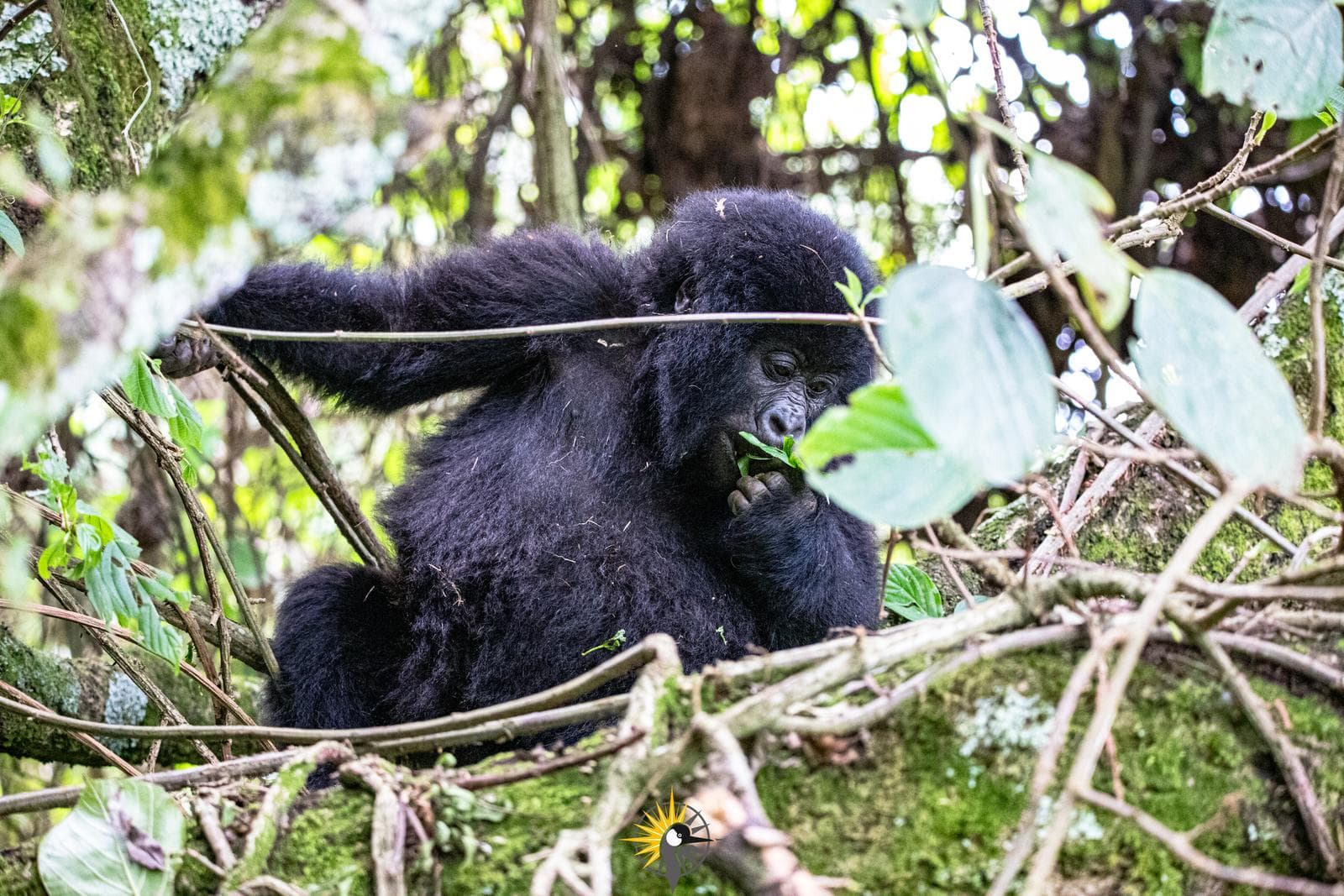
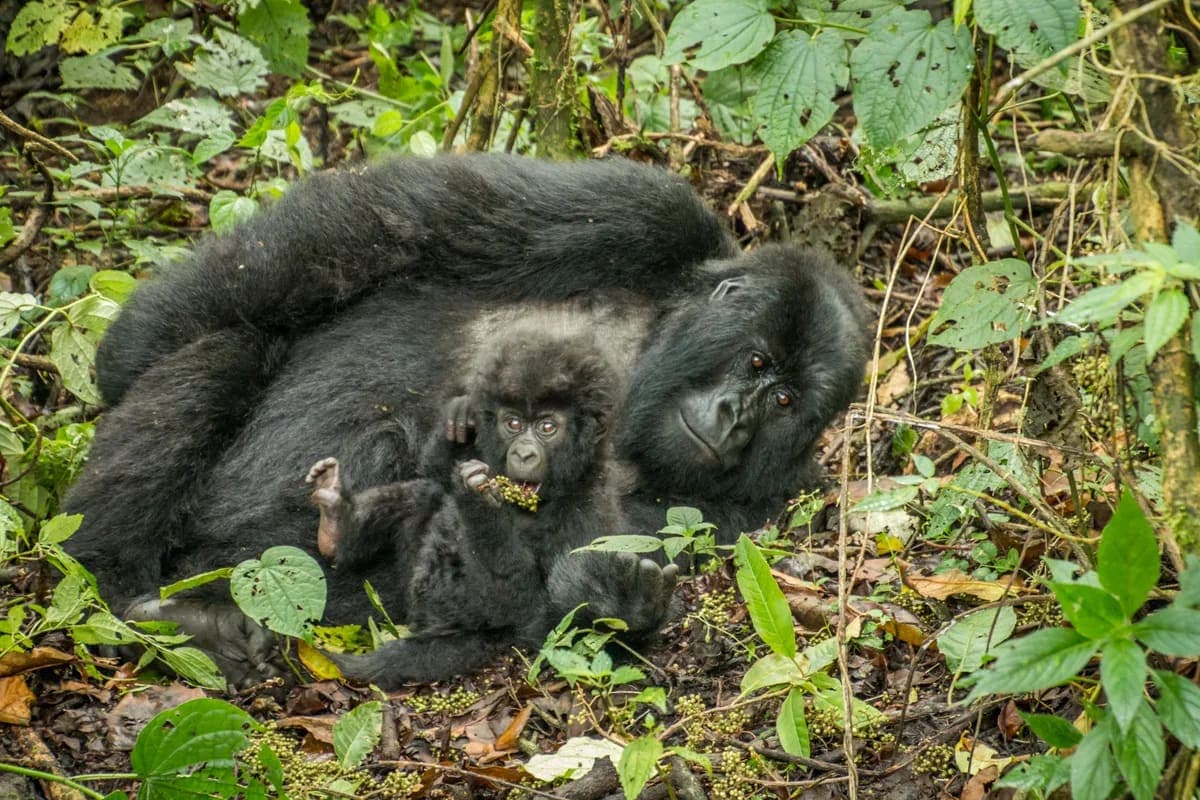
Tourists flock to Uganda mainly for its exceptional wildlife viewing opportunities, particularly the chance to encounter the endangered Mountain Gorillas in their natural habitat. Bwindi Impenetrable Forest National Park is home to more than half of the world's Mountain Gorilla population, offering a once-in-a-lifetime experience for wildlife enthusiasts.
In addition to mountain gorillas, Uganda boasts a vast array of wildlife, including African elephants, lions, leopards, rhinos, chimpanzees, and over 1,000 bird species. Uganda's natural beauty extends beyond its wildlife. The country is home to the source of the Nile, the world's longest river, providing thrilling white-water rafting experiences for adrenaline seekers.
The Rwenzori Mountains, also known as the Mountains of the Moon, present an exciting challenge for mountaineers, with their snowy peaks creating a stunning contrast to the equatorial jungle below.
Uganda's cultural richness is another drawcard for tourists. The country is home to over 60 distinct ethnic groups speaking over 40 languages, each with its own traditions, languages, and cultural practices.
The Buganda Kingdom, one of the oldest in Africa, offers tourists insight into its rich history and traditions through cultural tours. Music, dance, and crafts are integral parts of Ugandan culture, offering tourists an immersive experience.
The Karamojong pastoralists in the northeast are among the last remaining intact cultural groups in the world. At the same time, the few pockets of Batwa communities offer a glimpse into the evolution of humanity.
The potential for Uganda as a top tourist destination is immense. As global travel trends shift towards sustainable and experiential tourism, Uganda's unspoiled natural beauty and rich cultural heritage position it well to benefit from these trends.
Additionally, the Ugandan government has recognized the potential tourism has for the country's economic growth and is investing in infrastructure and marketing to attract more tourists.
Safaris Destinations in Uganda.
Bwindi impenetrable forest national park
Bwindi Impenetrable Forest National Park lies in southwestern Uganda on the edge of the Rift Valley. Its mist-covered hillsides are blanketed by one of Uganda's oldest and most biologically diverse rainforests, which dates back over 25,000 years and contains almost 400 species of plants.
View park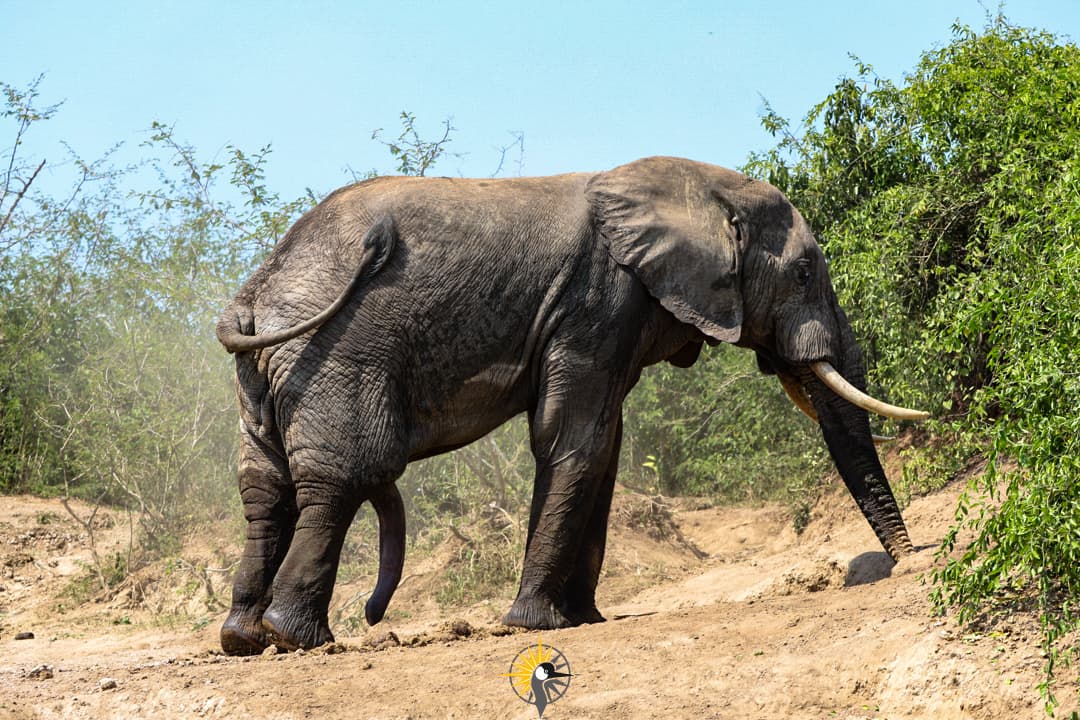
Queen Elizabeth national park
Explore Queen Elizabeth National Park, Uganda’s wildlife haven. Enjoy game drives, chimpanzee tracking, Kazinga Channel boat trips, and tree-climbing lions.
View park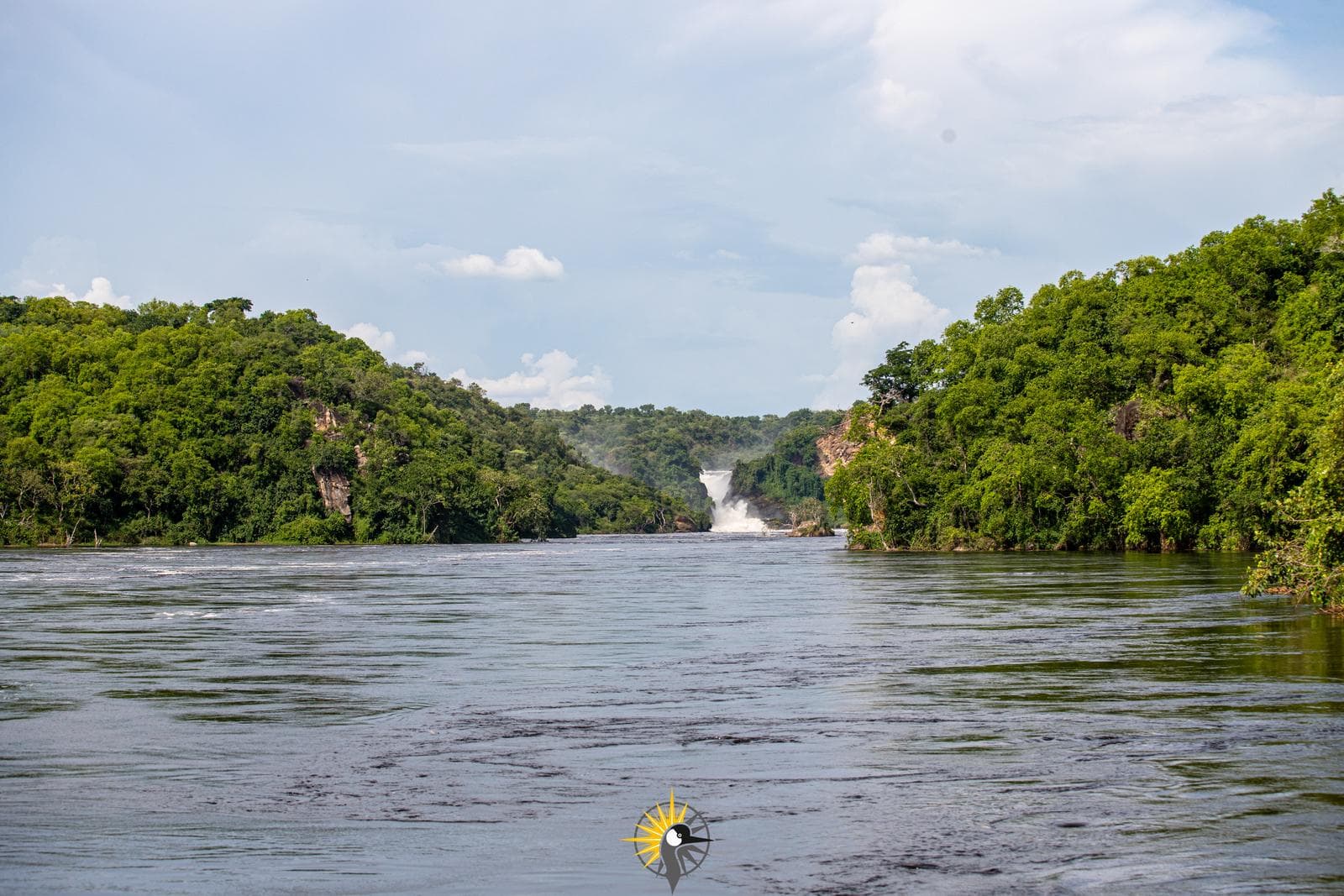
Murchison falls national park
Murchison Falls National Park lies at the northern end of the Albertine Rift Valley, where the sweeping Bunyoro escarpment tumbles into vast, palm-dotted savanna. First gazetted as a game reserve in 1926, it is Uganda's largest and oldest conservation area, hosting 76 species of mammals and 451 birds.
View parkSafaris in Uganda
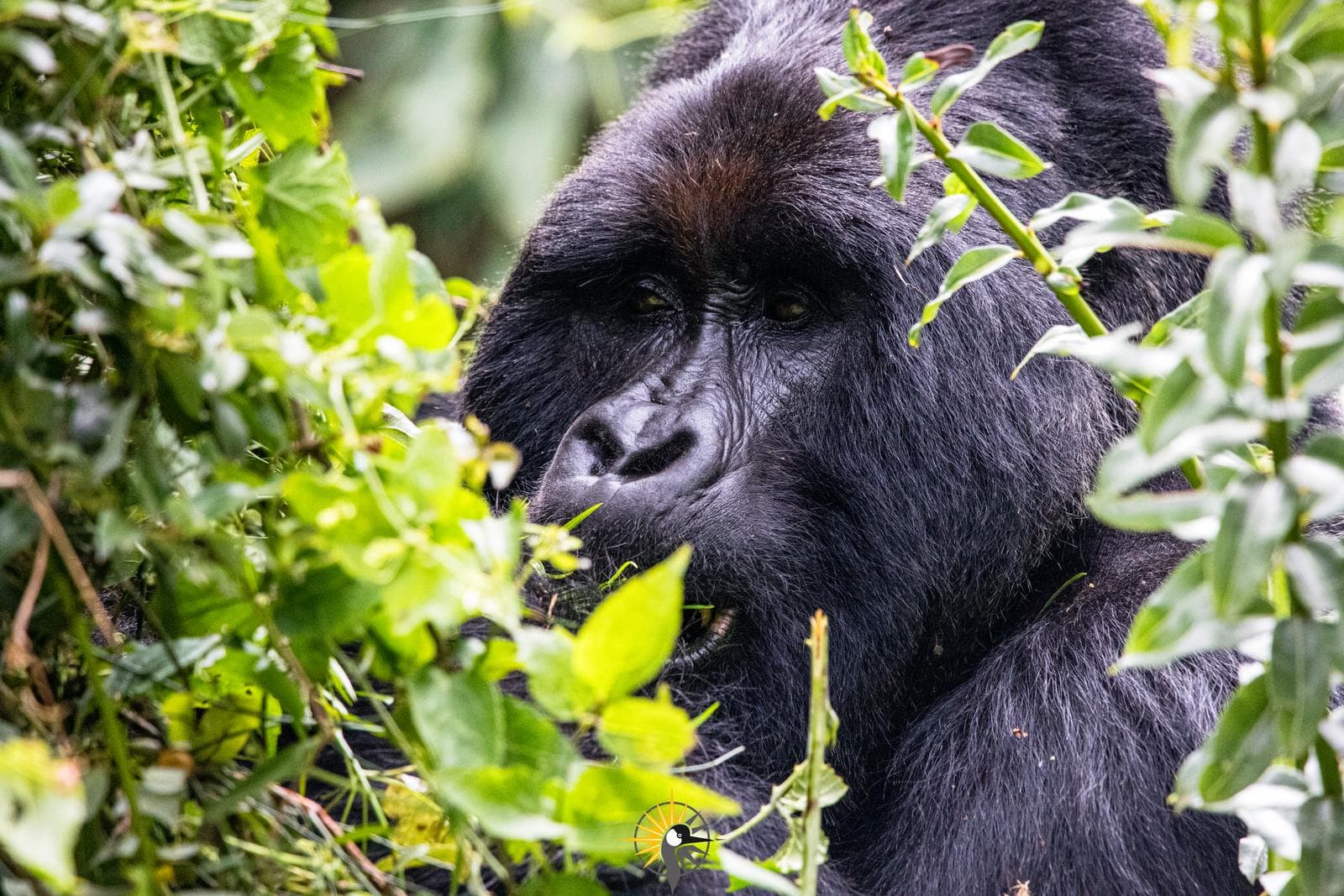
1 Days Gorilla tracking tour in Bwindi Impenetrable forest
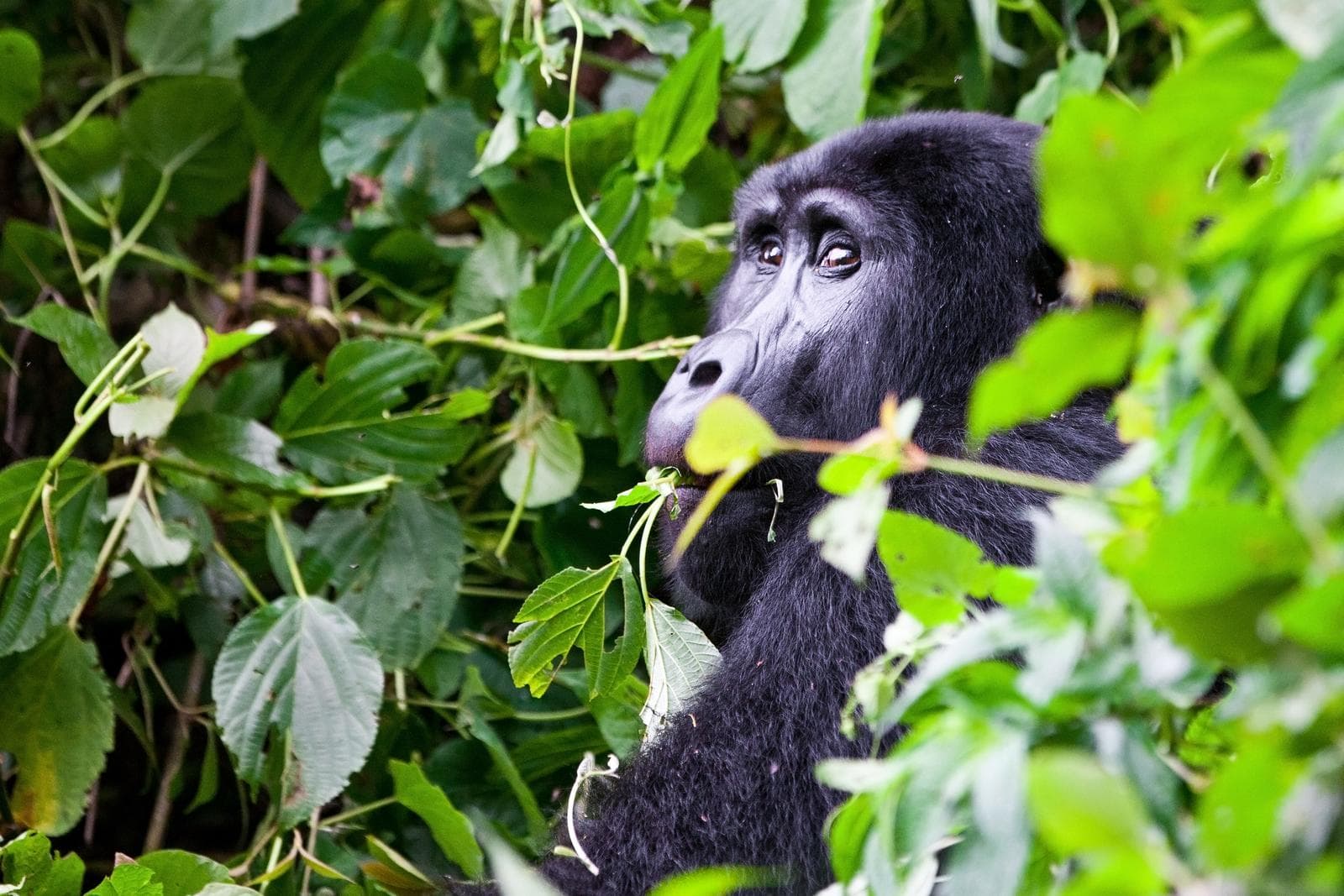
1 Days Bwindi Impenetrable Forest National Park Gorilla Tracking Tour
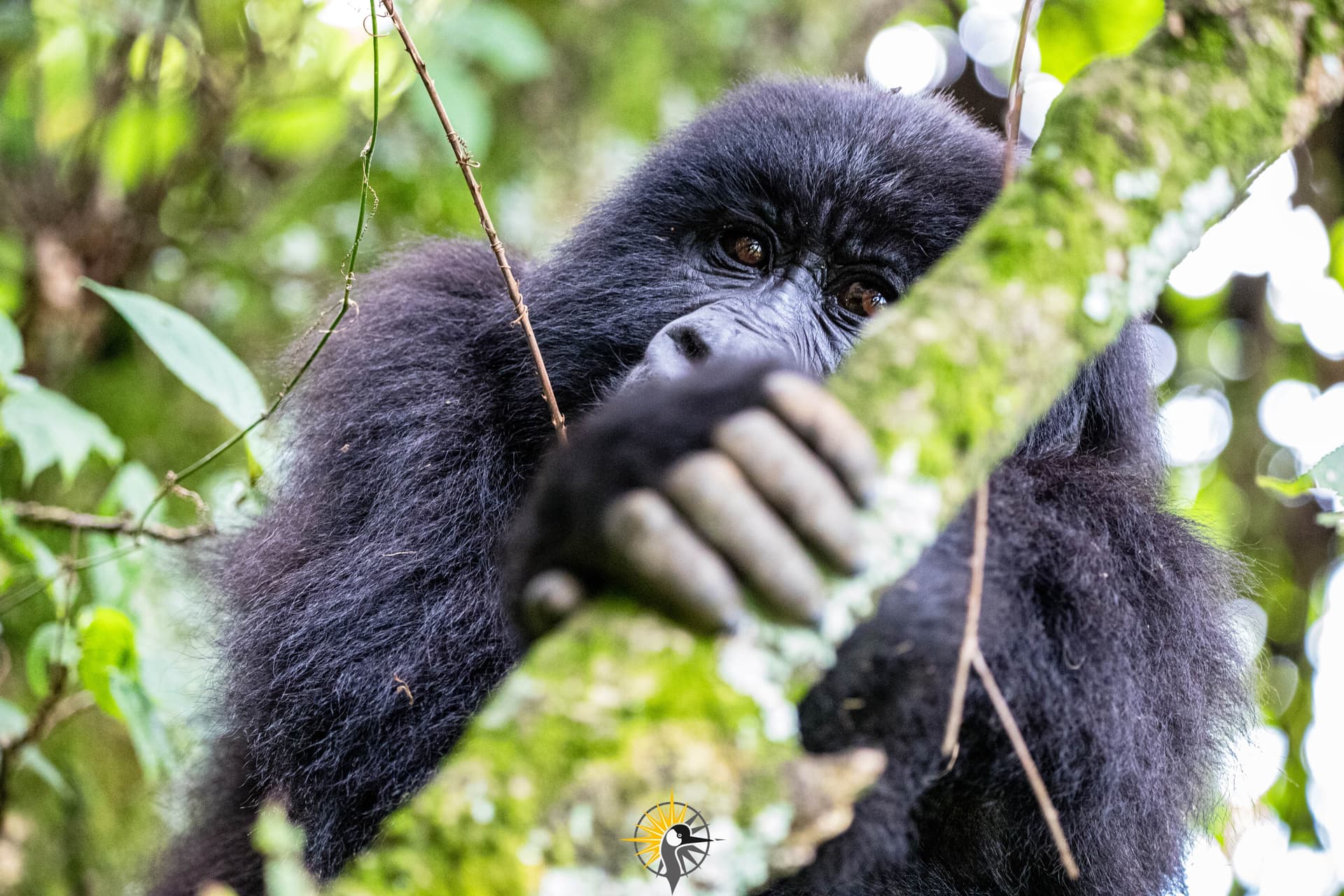
1 Days Gorilla tracking in Mgahinga gorilla national park
News and Updates
Uganda, Rwanda Primate Trekking and African Safari Packing List
Plan your Uganda and Rwanda safari with a practical packing list for gorilla, chimpanzee and golden monkey trekking, game drives and changing weather.
Read more
Cash Payments and US Dollar Guidelines
Learn how to pay your safari balance in Uganda, Rwanda and Tanzania, including US dollar cash requirements, card payments, fees and local currencies.
Read more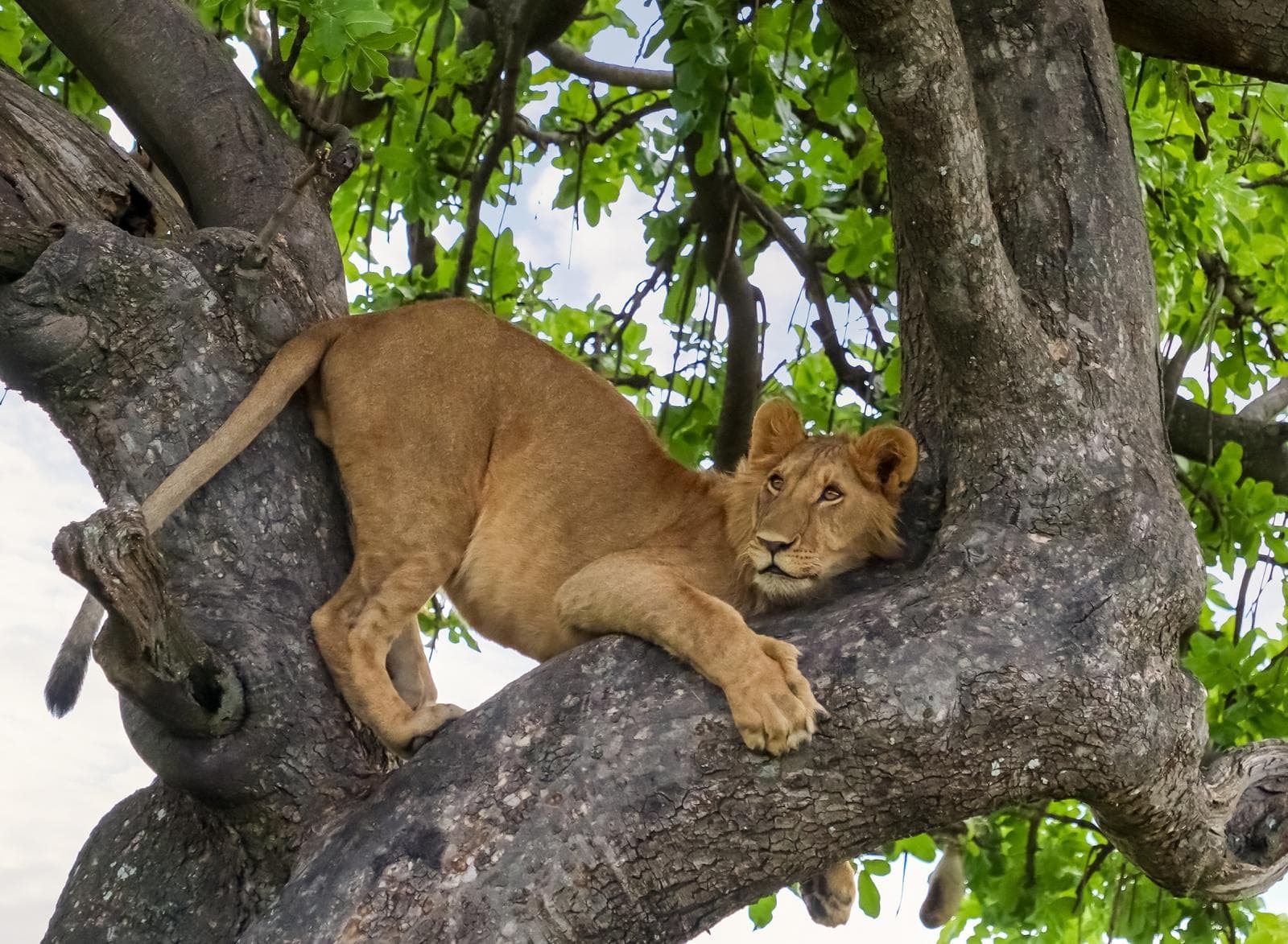
Entebbe for the Seasoned Traveler: Where to Stay, Drink Coffee and Spend Your Time
Discover the best places to stay, drink Ugandan coffee and explore Entebbe, from Lake Victoria cruises and botanical gardens to shoebill tracking and conservation experiences. For many visitors, Entebbe is simply the place where their flight lands before they continue to Kampala, Bwindi, Murchison Falls, or another part of Uganda. Experienced travelers know better. Set along the northern shores of Lake Victoria, Entebbe offers something increasingly rare in modern travel: a gentle arrival. Its leafy streets, tropical gardens, lakeside restaurants, historic institutions, and unhurried atmosphere provide a welcome transition between an international flight and the intensity of an African safari. Entebbe does not demand that you rush from one attraction to another. It rewards travelers who stay for a night or two, recover from the journey, drink good Ugandan coffee, and explore at a considered pace.
Read more