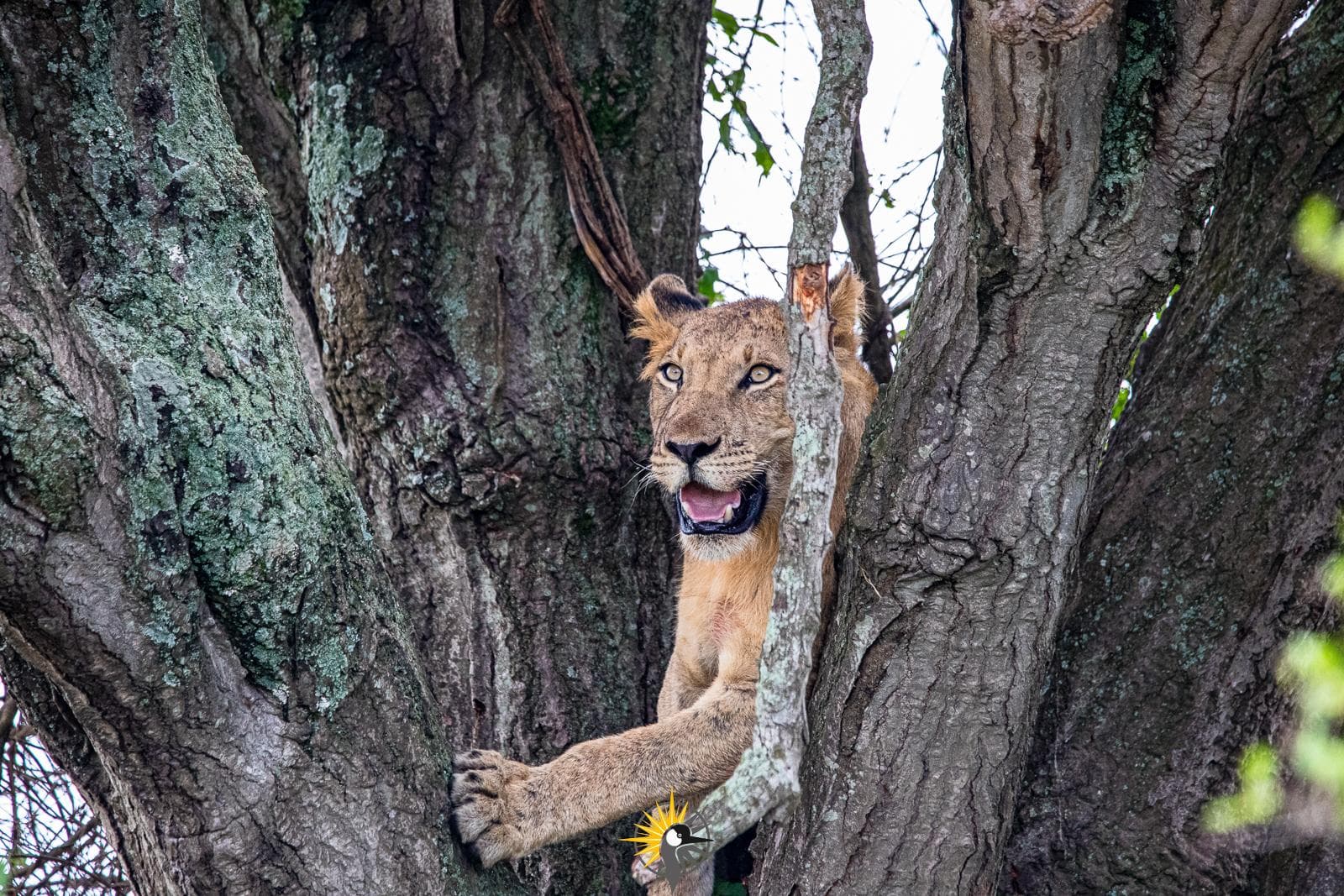
An insider's guide to climbing lions in Uganda's Queen Elizabeth National Park
Tree-climbing lions are a rare sight, but they can be found in some areas of Africa. The two main places where tree-climbing lions are known to exist are the Lake Manyara National Park in Tanzania and the Queen Elizabeth National Park in Uganda.
In Lake Manyara National Park, the lions have developed a unique behavior of climbing trees to avoid the tsetse flies that inhabit the grasslands. By climbing trees, lions can stay out of reach of flies and gain a better view of potential prey.
In Queen Elizabeth National Park, lions climb trees for similar reasons, using them to escape the heat during the day and to find a safe place to rest at night.
It's important to note that not all lions in these areas climb trees, and even those that do may not do so regularly. The behavior of tree-climbing lions is still relatively rare and not fully understood.
Introduction to Queen Elizabeth National Park and climbing lions.
Queen Elizabeth National Park is among Uganda's most popular wildlife conservation areas, famous for its diverse wildlife and impressive scenery. With a total area of about 1,978 square kilometers, the park has a lot to offer, including tree-climbing lions that can be spotted in several regions of the park.
Climbing lions are an intriguing sight to see, and the experience of spotting them while on safari is unforgettable. In this comprehensive guide, we will delve into everything you need to know about climbing lions in Queen Elizabeth National Park, including where to find them, what makes them unique, and what to expect during your climb.
Planning your trip to Queen Elizabeth National Park, when to visit, where to stay, and what to pack.
Queen Elizabeth National Park is one of Uganda's premier destinations and a must-visit for anyone interested in wildlife or nature. To make the most of your visit to see climbing lions, it's essential to plan. The park is open year-round, but the best time to visit is during the dry season from June to August and from December to February, when animals gather around water sources.
As for where to stay, there are plenty of accommodation options inside and outside the park, ranging from budget-friendly campsites to luxury lodges. It's important to pack light but also bring essentials like sunscreen, insect repellent, a hat, comfortable shoes for hiking, and warm clothing for early morning game drives when temperatures can be chilly.
Understanding the Behaviors of Climbing Lions in Queen Elizabeth National Park.
Queen Elizabeth National Park is home to a unique phenomenon - the climbing lions. These lions are known for their ability to climb trees, and observing their behavior in the park can be an unforgettable experience. However, it's essential to understand that climbing lions are not always easy to spot.
They usually spend most of their days resting high in tree branches, so spotting them may require some patience and luck. It's best to hire a knowledgeable guide who knows where the climbing lions typically hang out or join a safari tour that focuses explicitly on finding them. Nonetheless, with dedication and good timing, visitors can witness these majestic predators' unusual behavior firsthand and have an adventure of a lifetime.
Safety Tips for Climbing Lions Adventure in Queen Elizabeth National Park.
While visiting Queen Elizabeth National Park to witness the climbing lions phenomenon, it's essential to prioritize safety. Lions are wild animals and can be dangerous, so make sure to follow park rules and regulations at all times.
Stay inside your vehicle or with your guide when observing the lions, and avoid getting too close or disturbing their natural habitat. Also, bring appropriate gear such as sturdy shoes, sunscreen, and insect repellent, as well as enough water and snacks for the adventure. With proper preparation and caution, visitors can enjoy a memorable experience while keeping themselves safe.
How do lions climb trees?
Lions are not built for climbing trees, as their bodies are designed for hunting on the ground, but the lions that have adapted to climb trees have developed some unique physical abilities that allow them to do so.
Tree-climbing lions have strong and muscular forelimbs and shoulders that enable them to pull their weight up into the trees. They also have sharp claws that can grip onto the rough bark of trees.
When climbing trees, lions typically use a combination of jumping and scrambling. They may jump from the ground onto a low branch and then scramble up the tree trunk using their claws. Once in the branches, they can move around by carefully balancing on the branches and using their claws to grip onto the bark.
It's important to note that not all lions are capable of climbing trees, and those that can climb trees may not do so regularly. Tree-climbing is a behavior observed only in certain populations of lions and is not fully understood.
Where do you find climbing lions in Queen Elizabeth National Park?
Queen Elizabeth National Park is one of the most visited national parks in Uganda. It is located in the western region of the country and boasts an array of wildlife species. One of the most fascinating experiences in this park is encountering the climbing lions in the southern sector.
Climbing lions are a unique and rare sight to behold. Unlike other lions, they have developed a unique skill of climbing trees. It is believed that this ability was created as a way to escape from the heat on the ground, to get a better view of their prey, or to avoid biting insects.
The lions in Queen Elizabeth National Park are primarily found in the Ishasha sector, which is located in the southern part of the park. This area is characterized by vast savannah plains and a river that is surrounded by large fig trees. The lions in this area have perfected the art of climbing trees, and it is not uncommon to find them lounging on the branches of these trees.
Seeing these lions in action is truly an unforgettable experience. The best time to spot them is early in the morning or late in the afternoon when they are most active. They can be seen climbing up and down trees with ease, as they search for a place to rest or hunt for their prey.
For the best view of these magnificent creatures, consider going on a game drive with an experienced guide. The guides in the park have a wealth of knowledge about the lions and the park, and they can help you navigate the terrain and locate the lions. They also have access to high-powered binoculars and spotting scopes, which make it easier to see the lions up close.
In addition to the climbing lions, Queen Elizabeth National Park is also home to a variety of other wildlife species. These include elephants, buffalo, hippos, crocodiles, and an array of bird species. The park is also home to chimpanzees, which can be found in the Kyambura Gorge.
Conclusion
In conclusion, if you are planning to visit Uganda, Queen Elizabeth National Park should definitely be on your itinerary. The climbing lions in the Ishasha sector are a rare and unique sight that should not be missed. With the help of an experienced guide, you can get up close and personal with these majestic creatures and witness their impressive tree-climbing abilities.
0 Comments
Write your comment
Top safaris
9 Days Gorilla tracking in Uganda, Tarangire, Ngorongoro, and Serengeti National Park in Tanzania

3 Days Hadzabe, Masai and Ngorongoro Crater Safari, Tanzania
21 Days Epic East Africa safari, gorilla trekking in Bwindi, Big Five safaris and Zanzibar Beach escape
News and Updates
Uganda, Rwanda Primate Trekking and African Safari Packing List
Plan your Uganda and Rwanda safari with a practical packing list for gorilla, chimpanzee and golden monkey trekking, game drives and changing weather.
Read more
Cash Payments and US Dollar Guidelines
Learn how to pay your safari balance in Uganda, Rwanda and Tanzania, including US dollar cash requirements, card payments, fees and local currencies.
Read more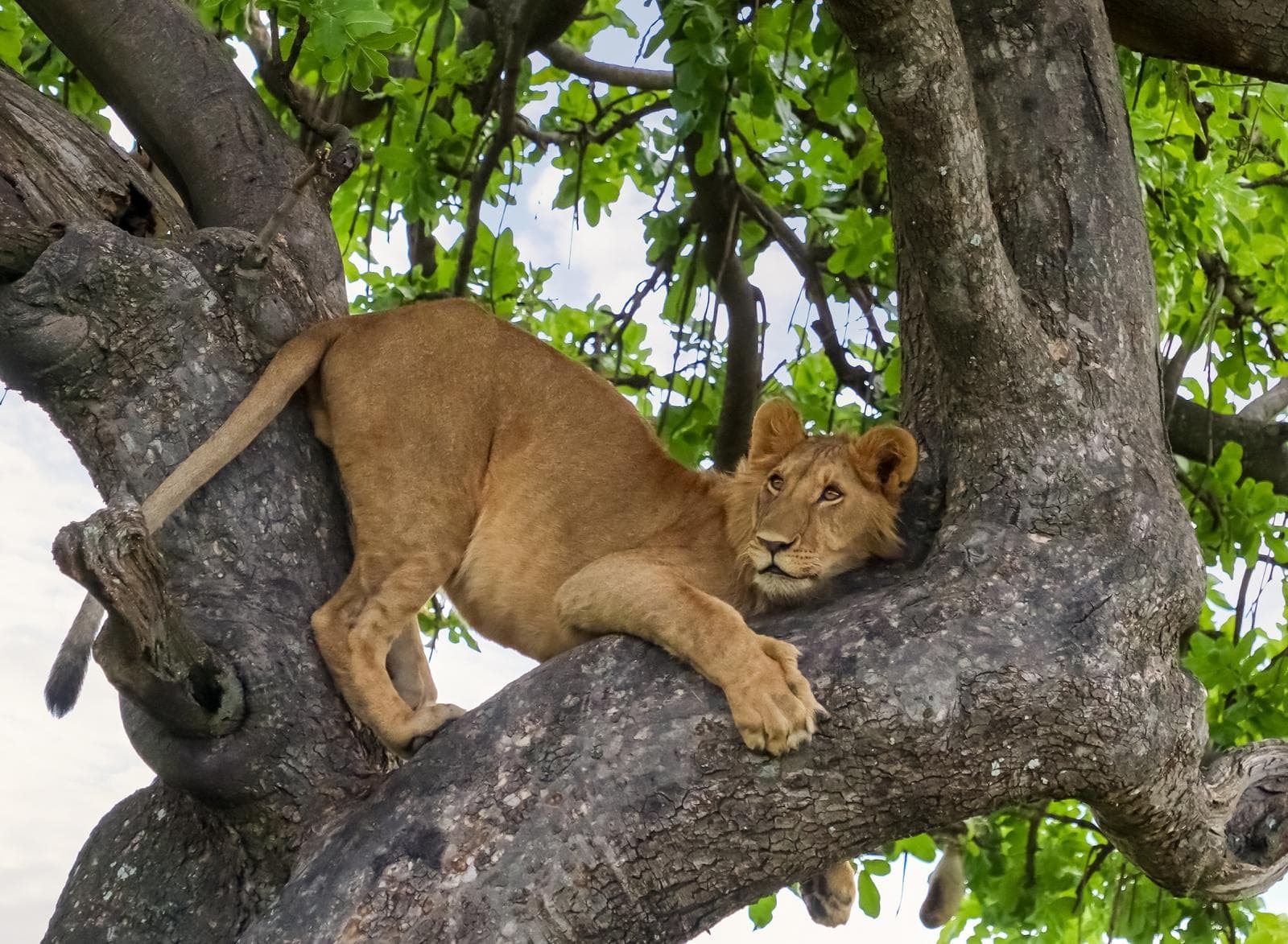
Entebbe for the Seasoned Traveler: Where to Stay, Drink Coffee and Spend Your Time
Discover the best places to stay, drink Ugandan coffee and explore Entebbe, from Lake Victoria cruises and botanical gardens to shoebill tracking and conservation experiences. For many visitors, Entebbe is simply the place where their flight lands before they continue to Kampala, Bwindi, Murchison Falls, or another part of Uganda. Experienced travelers know better. Set along the northern shores of Lake Victoria, Entebbe offers something increasingly rare in modern travel: a gentle arrival. Its leafy streets, tropical gardens, lakeside restaurants, historic institutions, and unhurried atmosphere provide a welcome transition between an international flight and the intensity of an African safari. Entebbe does not demand that you rush from one attraction to another. It rewards travelers who stay for a night or two, recover from the journey, drink good Ugandan coffee, and explore at a considered pace.
Read more