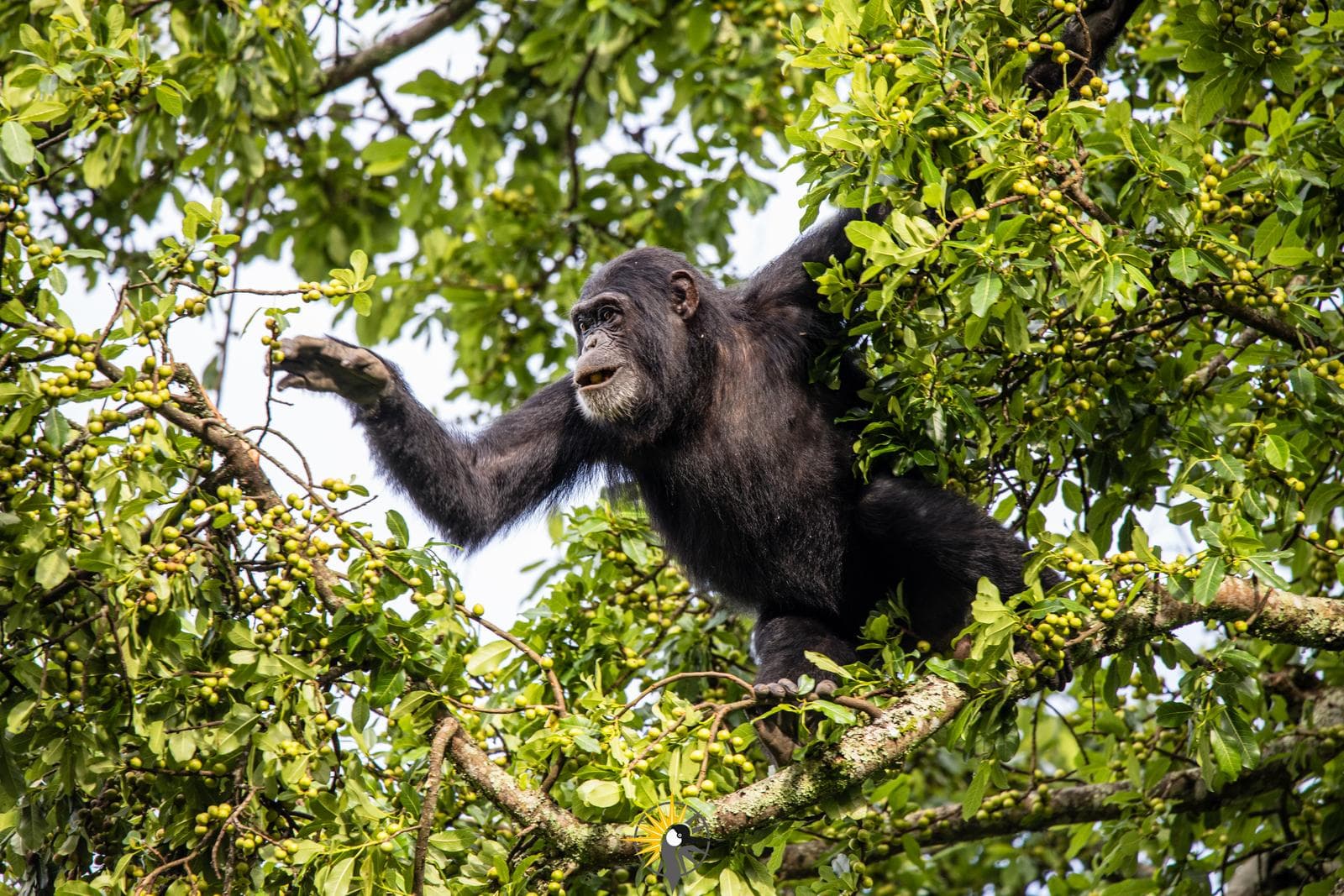
Chimpanzee
The Chimpanzee (Pan troglodytes) is one of humanity’s closest living relatives, sharing about 98% of its DNA with humans. Known for their intelligence, complex social structures, and use of tools, chimpanzees are among the most fascinating primates in East Africa. They inhabit tropical forests and are a major highlight of primate safaris in Uganda, Tanzania, and Rwanda.
Physical Description
Chimpanzees are medium-sized primates with a robust build, long arms, and short legs, well-adapted to life in both trees and on the ground. Adults typically weigh between 30 and 60 kilograms, with males being larger and more muscular than females.
Their bodies are covered in coarse black hair, while their faces, hands, and feet are usually bare. Chimpanzees have highly expressive faces, capable of showing a wide range of emotions, including excitement, fear, and curiosity. Their strong hands and opposable thumbs allow them to grasp objects and manipulate tools with remarkable precision.
Habitat and Distribution
Chimpanzees are primarily found in tropical rainforests, montane forests, and woodland savannahs where food and shelter are abundant.
In Uganda, chimpanzees are widely distributed across key forest reserves and national parks, including Kibale Forest National Park, considered the best place for chimpanzee tracking, as well as Budongo Forest Reserve, Kyambura Gorge within Queen Elizabeth National Park, and Kalinzu Forest Reserve.
In Tanzania, they are found in remote western parks such as Gombe Stream National Park and Mahale Mountains National Park, both famous for long-term chimpanzee research and tracking experiences.
In Rwanda, chimpanzees inhabit Nyungwe Forest National Park, one of Africa’s oldest rainforests, offering excellent opportunities for chimpanzee trekking.
Chimpanzees prefer areas with dense vegetation, fruiting trees, and access to water, which support their diverse diet and social lifestyle.
Behavior and Social Structure
Chimpanzees live in complex social groups known as communities, which can include 20 to over 100 individuals. These communities are led by a dominant male, often referred to as the alpha, who maintains leadership through alliances and displays of strength.
They exhibit a fission-fusion social system, meaning the group splits into smaller subgroups during the day and reunites later. This flexibility allows them to adapt to food availability and environmental conditions.
Chimpanzees communicate using a combination of vocalizations, gestures, facial expressions, and body language. Their ability to form social bonds, cooperate, and even resolve conflicts highlights their advanced intelligence.
Diet and Feeding Habits
Chimpanzees are omnivores, with a diet that includes:
- Fruits (their primary food source)
- Leaves, seeds, and flowers
- Insects such as termites and ants
- Occasionally, small animals like monkeys
They are known for their tool use, such as using sticks to extract termites from mounds or stones to crack open nuts. This behavior demonstrates problem-solving skills and cultural learning within groups.
Reproduction
Chimpanzees have a relatively slow reproductive rate. Females give birth to a single infant after a gestation period of about 8 months.
Infants are highly dependent on their mothers and may stay with them for up to 5 years, learning essential survival skills such as feeding, climbing, and social interaction. This long period of care contributes to strong maternal bonds and social learning.
Conservation Status
Chimpanzees are classified as Endangered, with populations declining due to:
- Habitat destruction and deforestation
- Poaching and illegal wildlife trade
- Human-wildlife conflict
- Disease transmission
Protected areas like Kibale Forest, Nyungwe Forest, and Mahale Mountains play a critical role in conserving chimpanzee populations. Responsible tourism, including chimpanzee trekking, supports conservation and local communities.
Ecological Role
Chimpanzees are important seed dispersers, helping maintain forest biodiversity. By consuming fruits and spreading seeds across large areas, they contribute to forest regeneration and ecosystem health.
Their presence is an indicator of a healthy forest ecosystem, making their conservation essential for preserving biodiversity in East Africa.
Chimpanzee Tracking Experience
Chimpanzee tracking is one of the most popular primate experiences in East Africa. In Kibale Forest National Park, visitors can track habituated chimpanzee groups with experienced guides, often encountering them feeding, grooming, or moving through the forest.
In Nyungwe Forest National Park and Tanzania’s remote parks, the experience is more adventurous, offering a deeper connection with untouched wilderness. Unlike gorilla trekking, chimpanzee tracking can be more dynamic, as chimps are constantly on the move and highly active.
Conclusion
The chimpanzee is a remarkable primate that offers insight into human evolution and behavior. From Uganda’s dense forests to Rwanda’s ancient rainforests and Tanzania’s remote wilderness, chimpanzees provide unforgettable wildlife encounters. Protecting their habitats ensures the survival of one of the most intelligent and socially complex species in the animal kingdom.
Related Animals
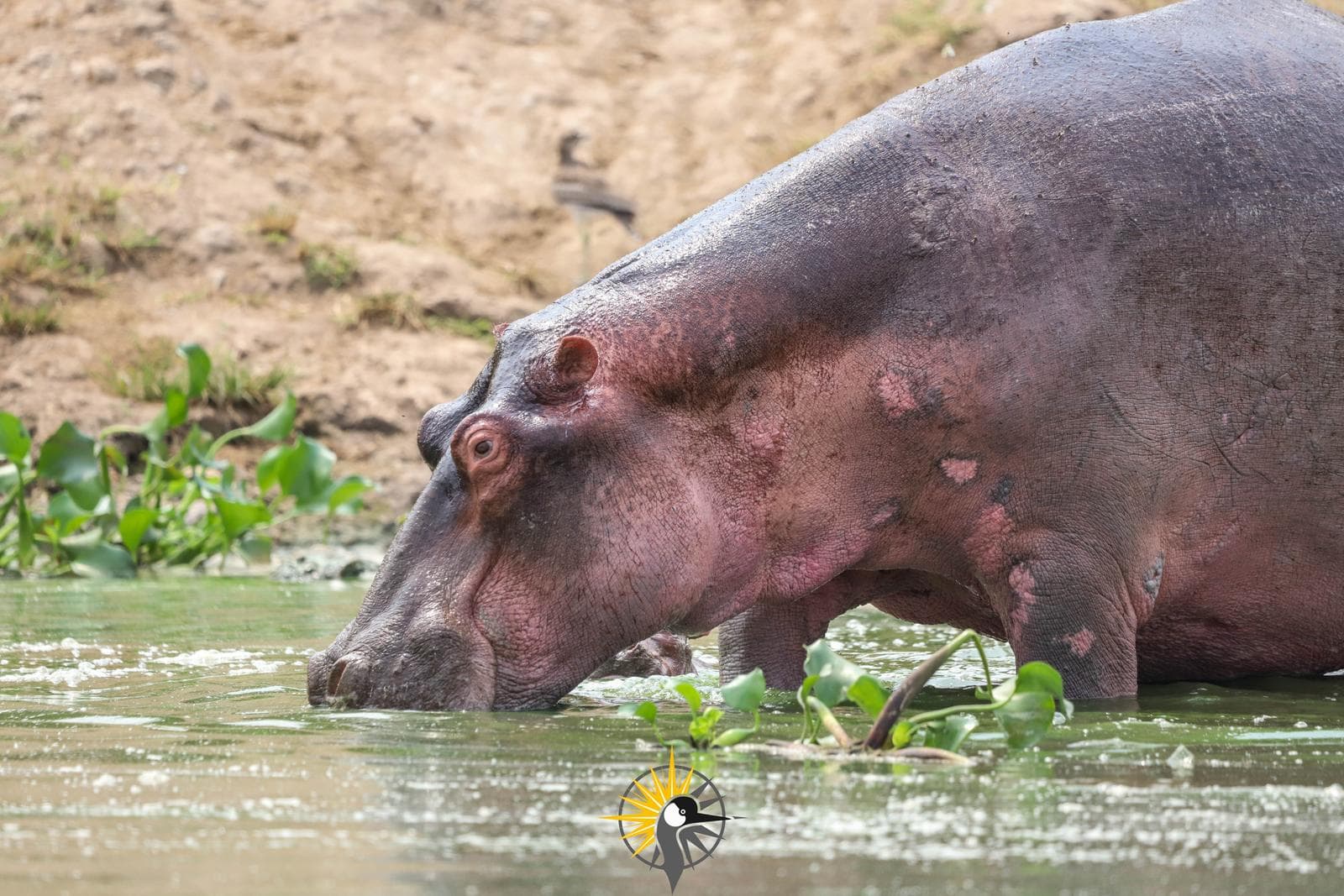
The Hippopotamus
Explore hippopotamuses in East Africa, from Uganda’s Kazinga Channel to Kenya’s Mara River, and learn about their behavior and conservation.
View animal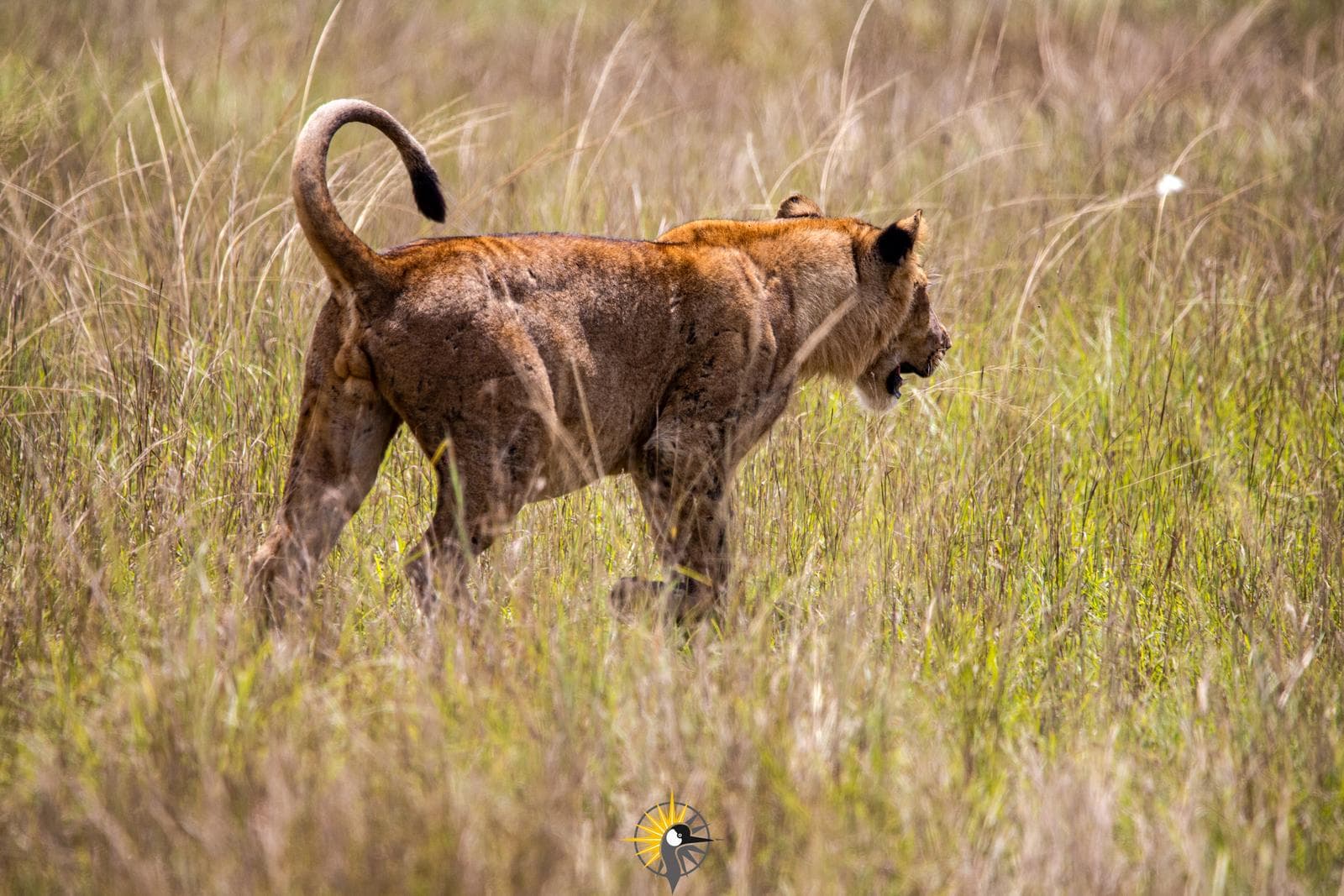
The African Lion
Discover African lions in East Africa’s top parks, from Serengeti to Queen Elizabeth, and learn about pride life, hunting, and conservation.
View animal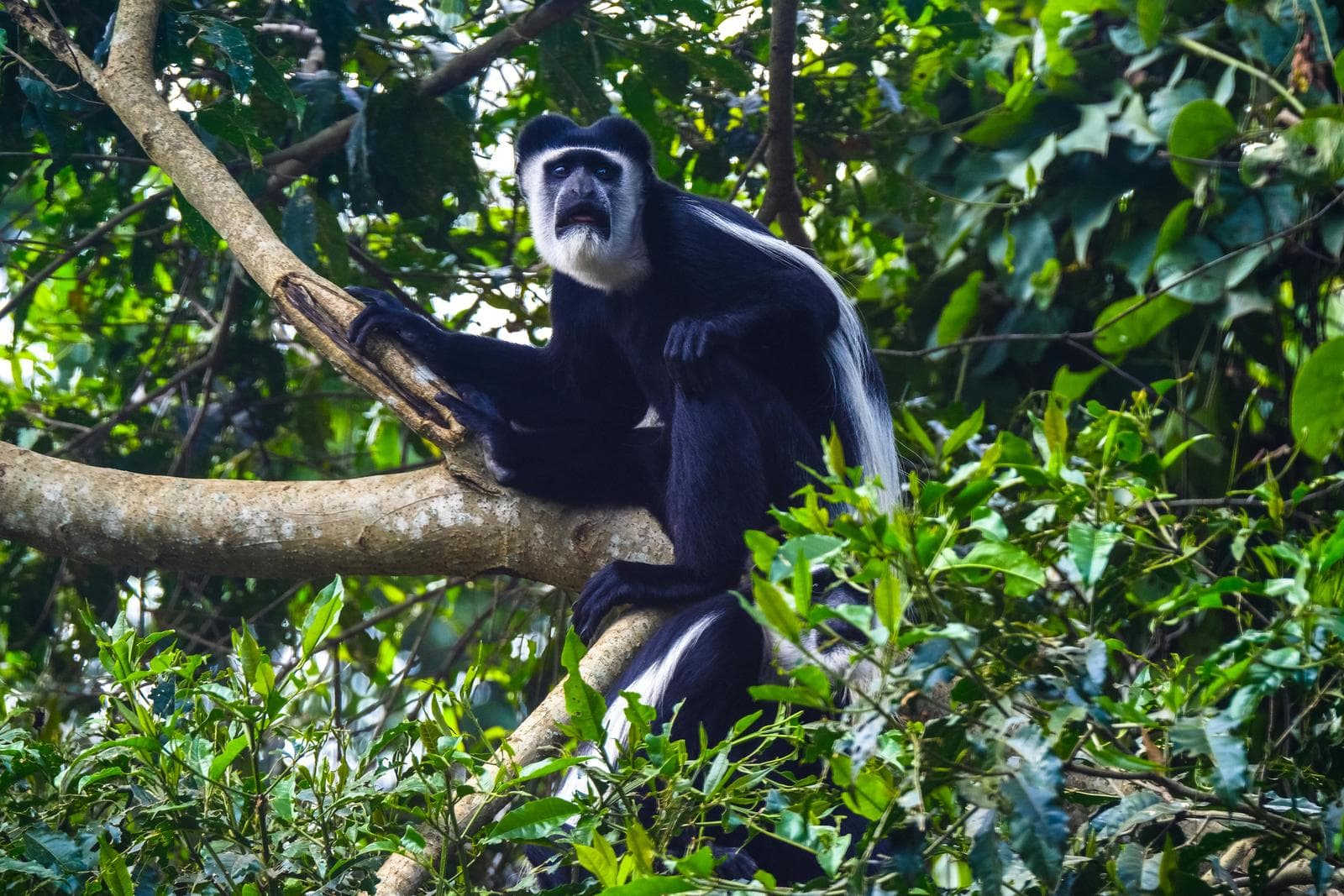
The black and white colobus monkey
Explore the black-and-white colobus monkey in East Africa, its forest habitats, unique behavior, and how responsible tourism supports conservation.
View animalTop safaris
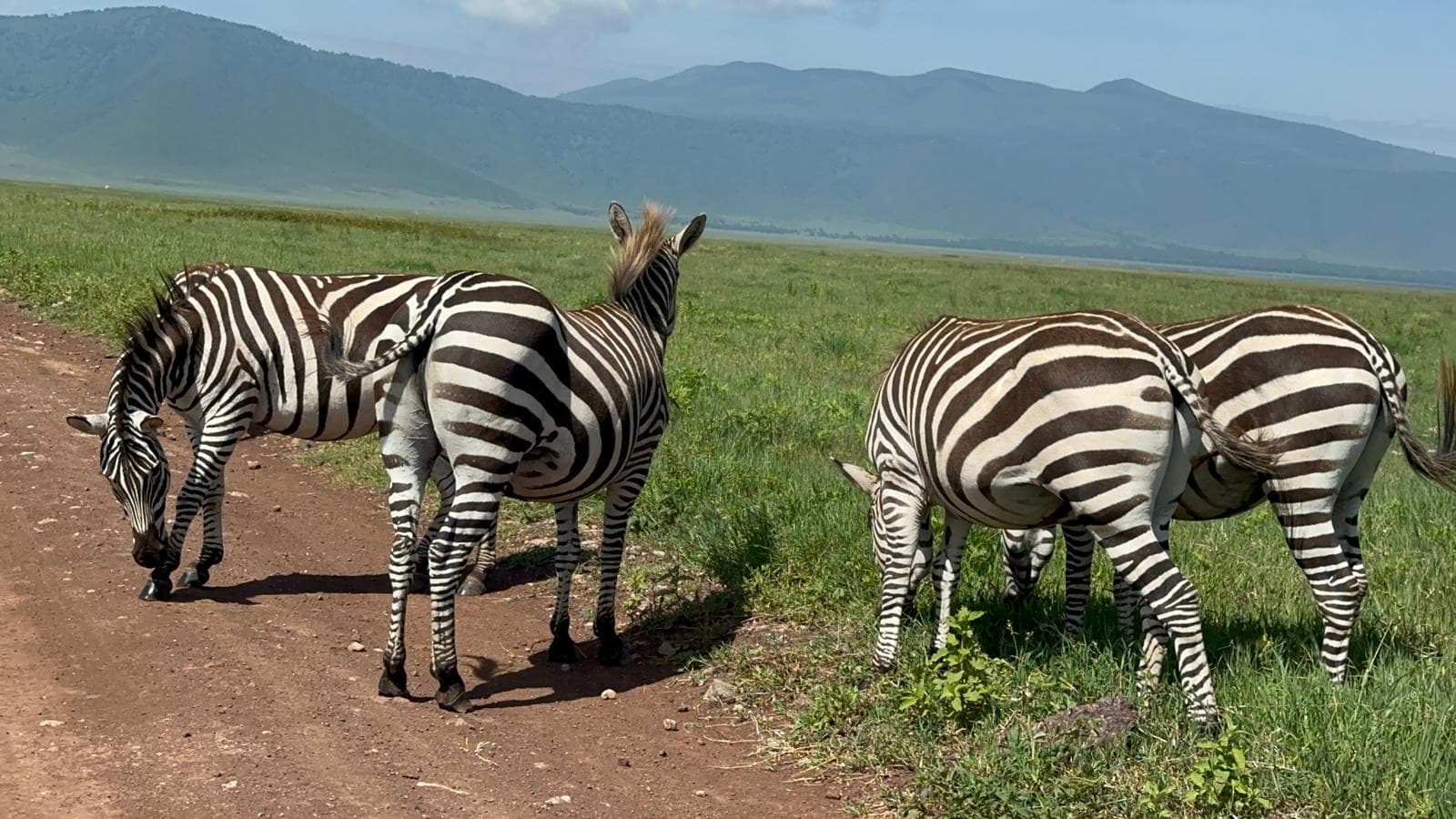
9 Days Gorilla tracking in Uganda, Tarangire, Ngorongoro, and Serengeti National Park in Tanzania
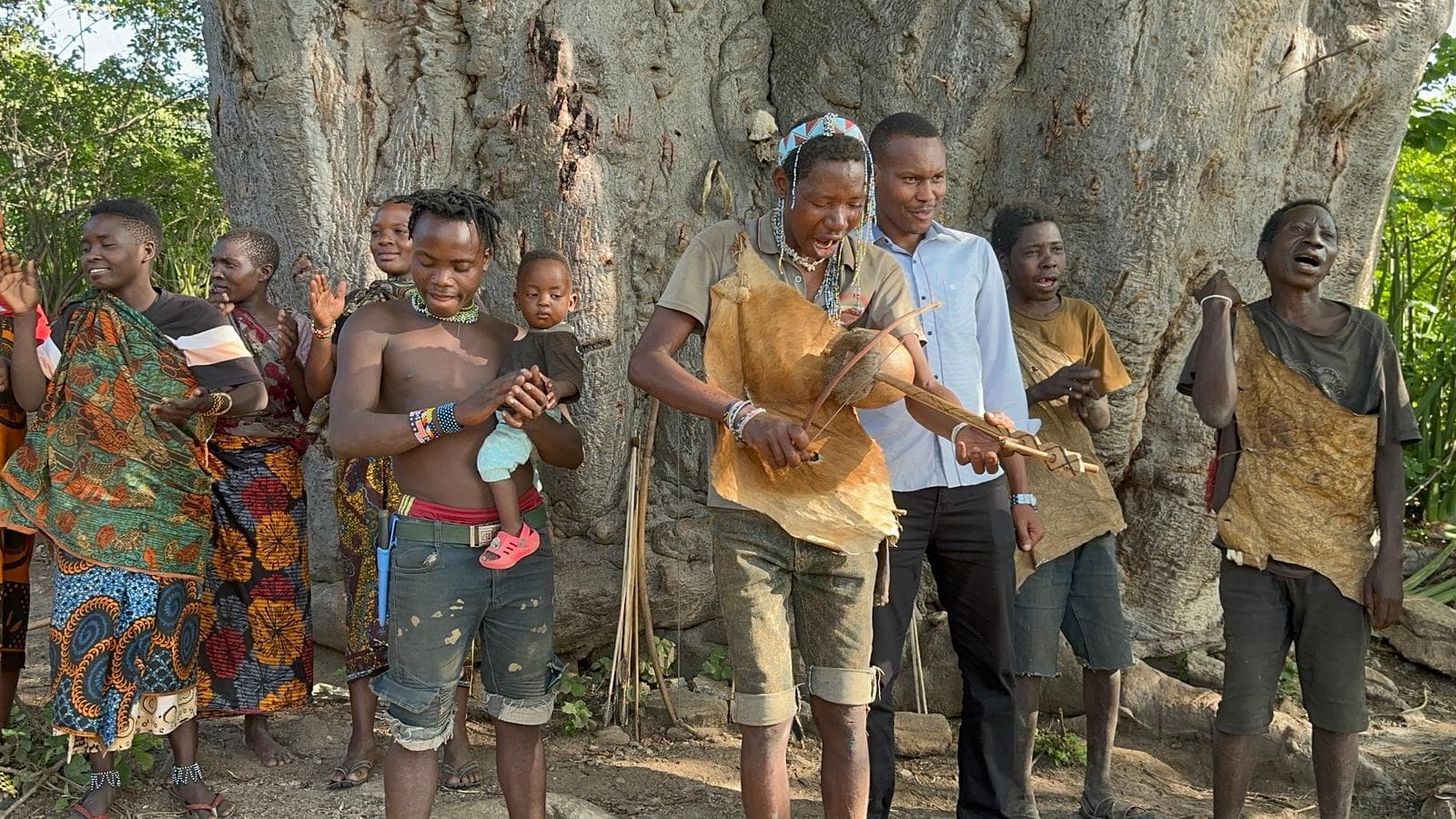
3 Days Hadzabe, Masai and Ngorongoro Crater Safari, Tanzania
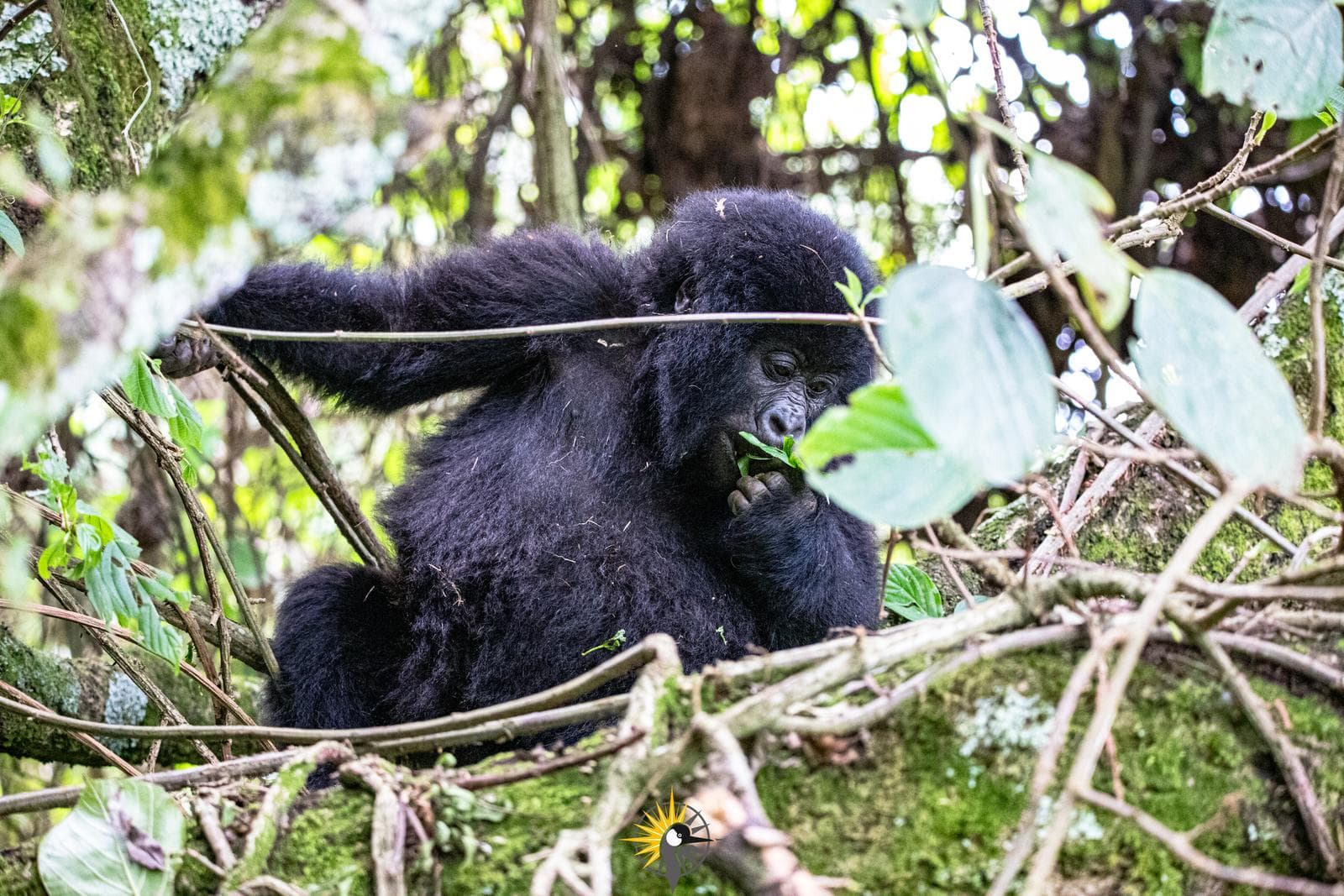
21 Days Epic East Africa safari, gorilla trekking in Bwindi, Big Five safaris and Zanzibar Beach escape
News and Updates
Entebbe for the Seasoned Traveler: Where to Stay, Drink Coffee and Spend Your Time
Discover the best places to stay, drink Ugandan coffee and explore Entebbe, from Lake Victoria cruises and botanical gardens to shoebill tracking and conservation experiences. For many visitors, Entebbe is simply the place where their flight lands before they continue to Kampala, Bwindi, Murchison Falls, or another part of Uganda. Experienced travelers know better. Set along the northern shores of Lake Victoria, Entebbe offers something increasingly rare in modern travel: a gentle arrival. Its leafy streets, tropical gardens, lakeside restaurants, historic institutions, and unhurried atmosphere provide a welcome transition between an international flight and the intensity of an African safari. Entebbe does not demand that you rush from one attraction to another. It rewards travelers who stay for a night or two, recover from the journey, drink good Ugandan coffee, and explore at a considered pace.
Read more
Uganda Wildlife Authority Announces New Permit Tariffs Effective 1 July 2026, What you Need to Know
Discover Uganda Wildlife Authority's 2026 permit prices for gorilla trekking, chimpanzee tracking, and safari experiences. Plan your Uganda adventure today.
Read more
Discounted Gorilla Permits in Uganda 2026, Save on Gorilla Trekking Safaris
Discover discounted Uganda gorilla permits in 2026. Save on trekking in Bwindi & Mgahinga during low season months for an unforgettable safari.
Read more