Zebra
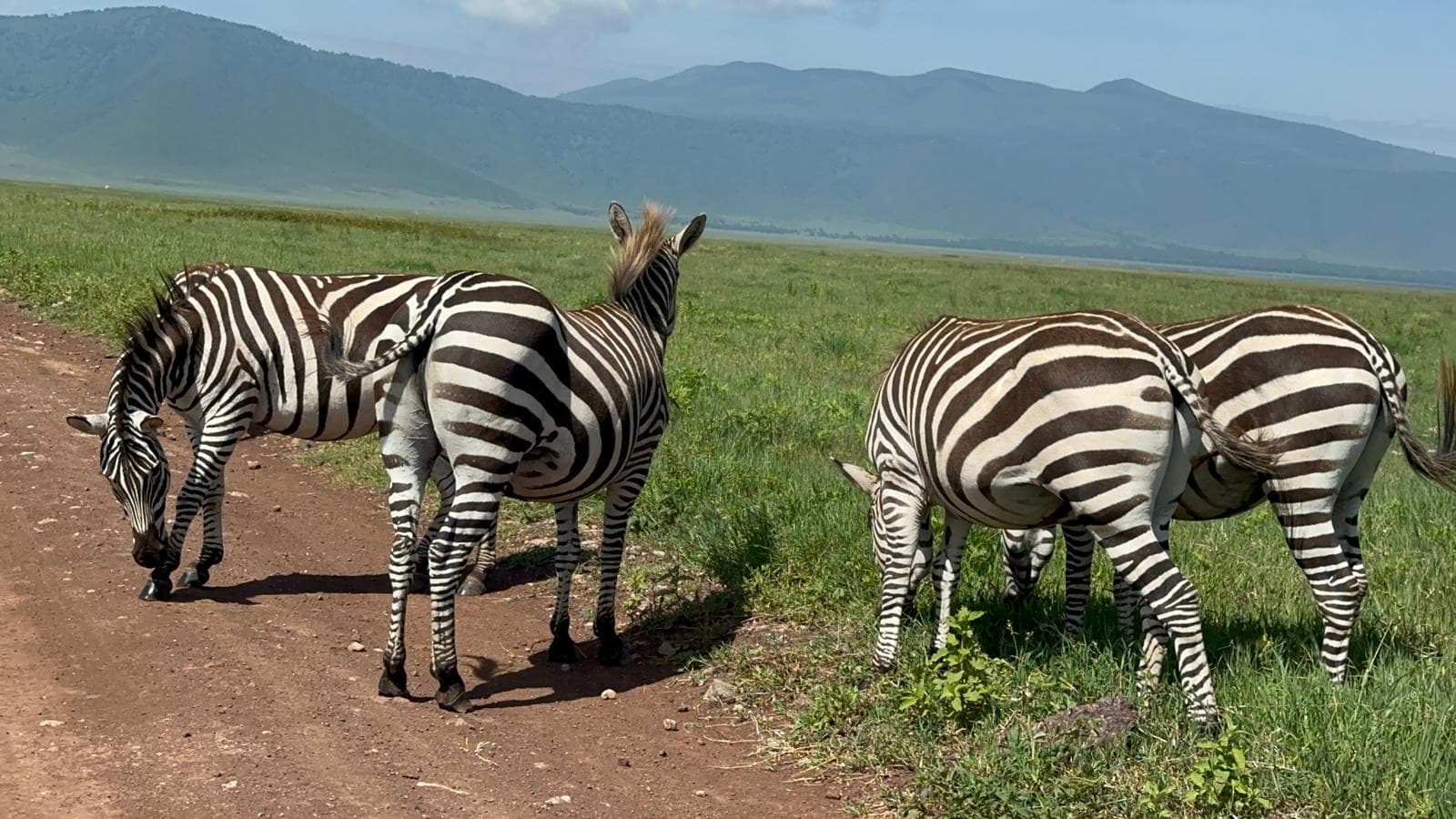
The zebra is one of the most recognizable and charismatic wildlife species in East Africa. Known for its striking black‑and‑white stripes and dynamic social behavior, the zebra is a staple sight on safari across the region. Belonging to the genus Equus, zebras are closely related to horses and donkeys and play a vital ecological role in grassland ecosystems.
In East Africa, the Plains Zebra (Equus quagga), especially the Burchell’s zebra subspecies (Equus quagga burchellii), is the most common form you’ll encounter. These zebras are social, resilient grazers perfectly adapted to savannahs and open plains.
Physical Characteristics
Zebras are medium‑sized equids with solid, muscular bodies and long legs built for endurance and speed. Adults typically weigh 220–450 kilograms and stand about 1.2–1.5 meters tall at the shoulder. Their signature black‑and‑white stripe pattern is unique to each individual, much like a human fingerprint. These stripes may help deter parasites, camouflage in tall grass, and facilitate social recognition within herds.
Their powerful legs allow them to sprint at high speeds — up to 65 km/h — to escape predators. Zebras’ keen eyesight and social vigilance also help them avoid threats in the wild.
Habitat and Distribution
Zebras inhabit grasslands, plains, and open woodlands where grasses and water are plentiful. Unlike wildebeest, zebras are not strictly migratory in many parks but will move seasonally to follow grazing and water resources.
In Uganda, zebras are concentrated in:
- Lake Mburo National Park – The strongest zebra population in Uganda, particularly of Burchell’s zebra.
- Kidepo Valley National Park – Known for wide open savannah plains where zebras roam in herds.
- Pian Upe Wildlife Reserve and Katonga Wildlife Reserve also have zebra populations, especially in savannah habitats.
Elsewhere in East Africa (beyond Uganda):
- Kenya: Zebras are abundant in Maasai Mara National Reserve, Amboseli National Park, Tsavo East National Park, Tsavo West National Park, and Laikipia grasslands.
- Tanzania: Large zebra populations occur in Serengeti National Park, particularly during the Great Migration, as well as in Tarangire National Park and the Ngorongoro Conservation Area.
- Rwanda: In Akagera National Park, zebras thrive in riverine grasslands and open plains alongside other savannah species.
These regions provide expansive grasslands with reliable water sources — ideal for grazing zebras and supporting large herds.
Behavior and Social Structure
Zebras are highly social animals that live in structured groups called harems — typically one dominant stallion, several mares, and their foals. Multiple harems often come together to form larger herds, which offer protection and facilitate grazing across wider areas.
Communication within herds includes vocalizations like barks and brays, body postures, and mutual grooming. These behaviors help maintain herd cohesion and alert others to danger.
Zebras frequently associate with other grazers, such as wildebeest and antelopes, especially during seasonal movements, as mixed groups improve predator detection and increase grazing efficiency.
Diet and Feeding Habits
Zebras are herbivorous grazers, primarily feeding on a variety of grasses. Their strong digestive system allows them to process coarser grasses that many other herbivores avoid, giving them a competitive edge in savannah ecosystems.
They drink water daily and are often seen near rivers, lakes, and waterholes, especially during the dry season when water becomes a limiting factor for many wildlife species.
Reproduction
Plains zebras breed year‑round, but births are often timed with the wet season when food and water are abundant. After a gestation period of about 12–13 months, a single foal is born.
Zebra foals can stand and run within an hour of birth — a critical survival adaptation in predator‑rich environments. Young zebras remain close to their mother and herd for protection and gradually learn grazing and social behaviors.
Conservation Status
The Plains Zebra is classified as Near Threatened globally due to habitat fragmentation, competition with livestock, and hunting pressure in some areas. However, strong populations persist in protected East African parks where conservation enforcement is robust.
Continuing efforts to secure grassland corridors and mitigate human‑wildlife conflict help maintain healthy zebra populations across the region.
Ecological Role
Zebras play a critical role in grassland ecosystems. Their grazing promotes plant growth cycles, opens up grass layers for other herbivores, and supports nutrient cycling. As prey species, they are essential to the food web — sustaining large carnivores like lions, leopards, hyenas, and wild dogs.
Observation Tips for Safari Travelers
Zebras are among the easiest animals to spot on safari due to their herding behavior and distinctive stripes. Some of the best locations to see zebras in East Africa include:
- Lake Mburo National Park – especially during dry season when herds gather near water sources.
- Kidepo Valley National Park – remote wilderness with open savannah herds.
- Maasai Mara and Serengeti – sites for large mixed herds, particularly during the Great Migration.
- Akagera National Park – abundant plains zebras in scenic wetland and grassland settings.
The early morning and late afternoon are usually the most active times for grazing and movement, enhancing wildlife viewing opportunities.
Conclusion
Zebras are emblematic of East Africa’s grassland wildlife. From the plains of Lake Mburo and Kidepo in Uganda to the iconic migrations of Serengeti and Maasai Mara, they offer unforgettable safari experiences. Their presence highlights the beauty and complexity of savannah ecosystems, and their protection remains vital for the health of East African wilderness areas
Related Animals
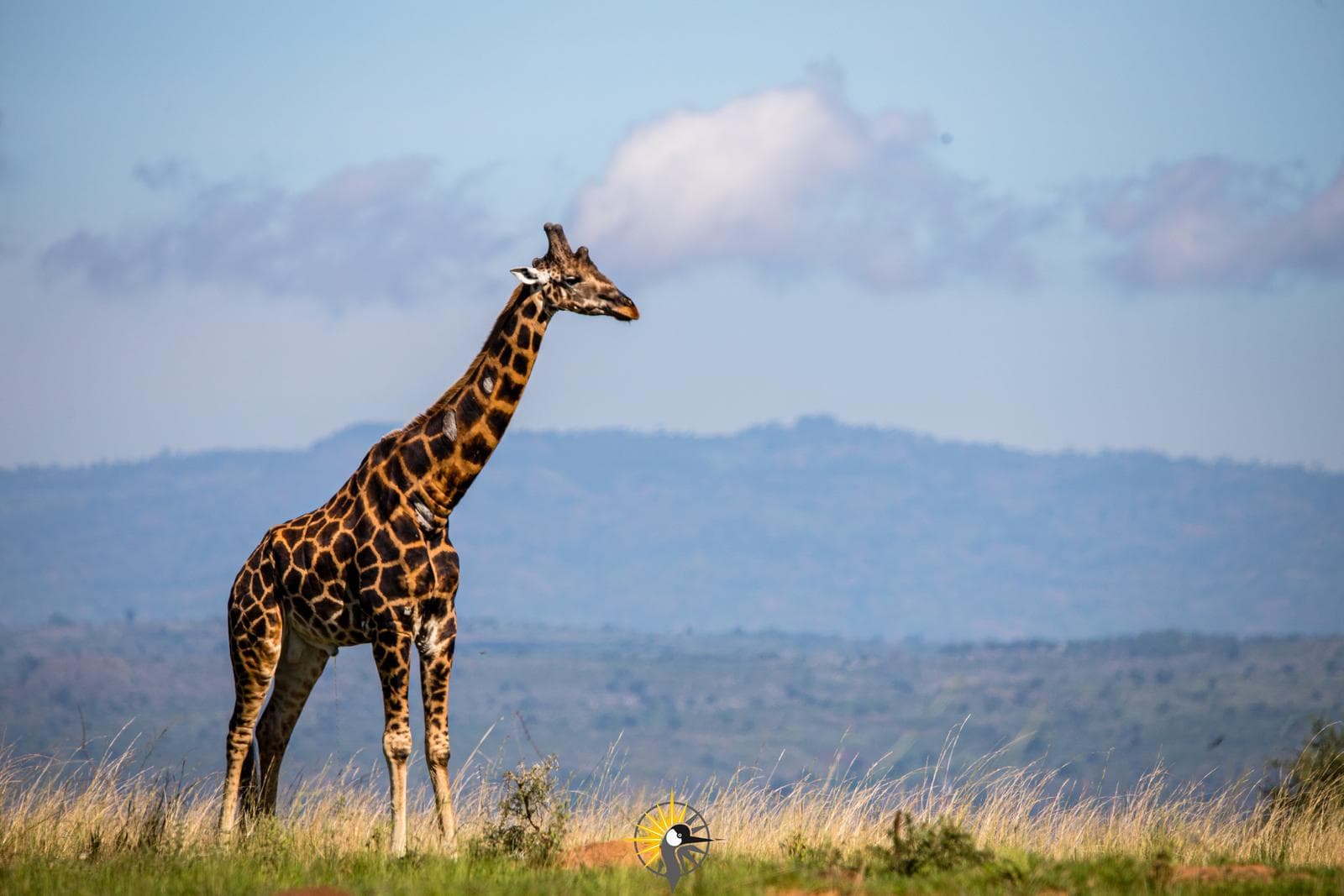
The African Giraffe
Discover giraffes in East Africa, from Rothschild’s giraffes in Uganda to Reticulated giraffes in Kenya, and explore top safari destinations.
View animal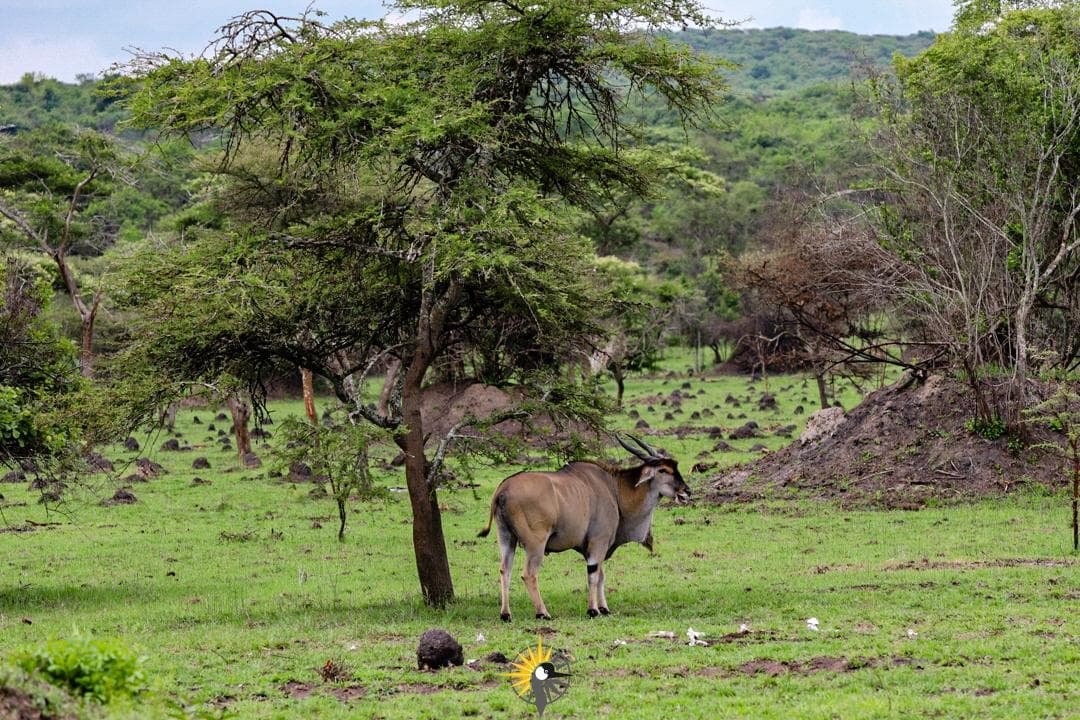
Common Eland
Discover East Africa’s majestic elands – Africa’s largest antelope – and where to spot them on your next unforgettable safari adventure.
View animal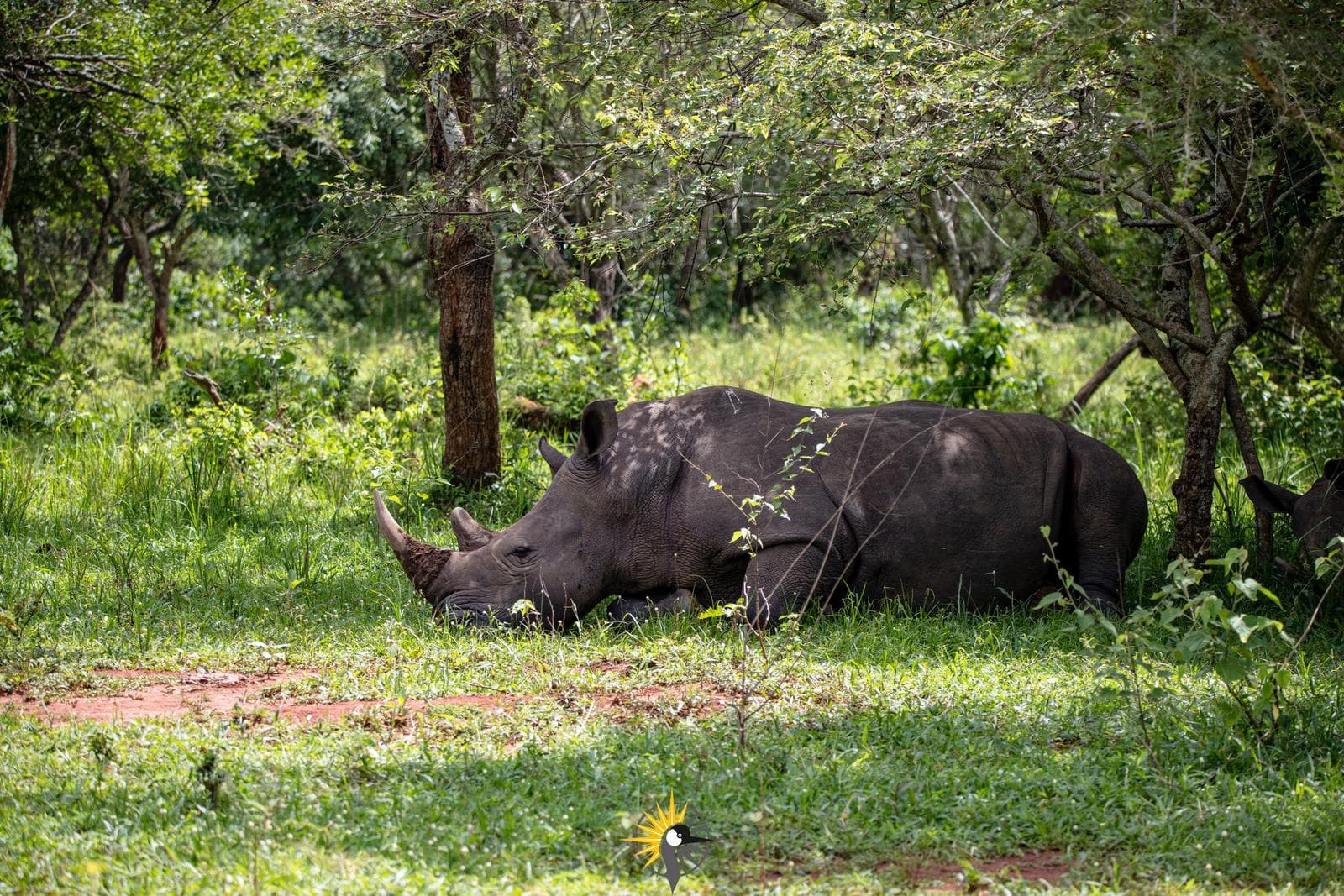
The Rhino
Discover rhinos in East Africa, from Kenya’s Ol Pejeta to Uganda’s Ziwa Sanctuary, and learn about species, habitats, and conservation.
View animalTop safaris
9 Days Gorilla tracking in Uganda, Tarangire, Ngorongoro, and Serengeti National Park in Tanzania
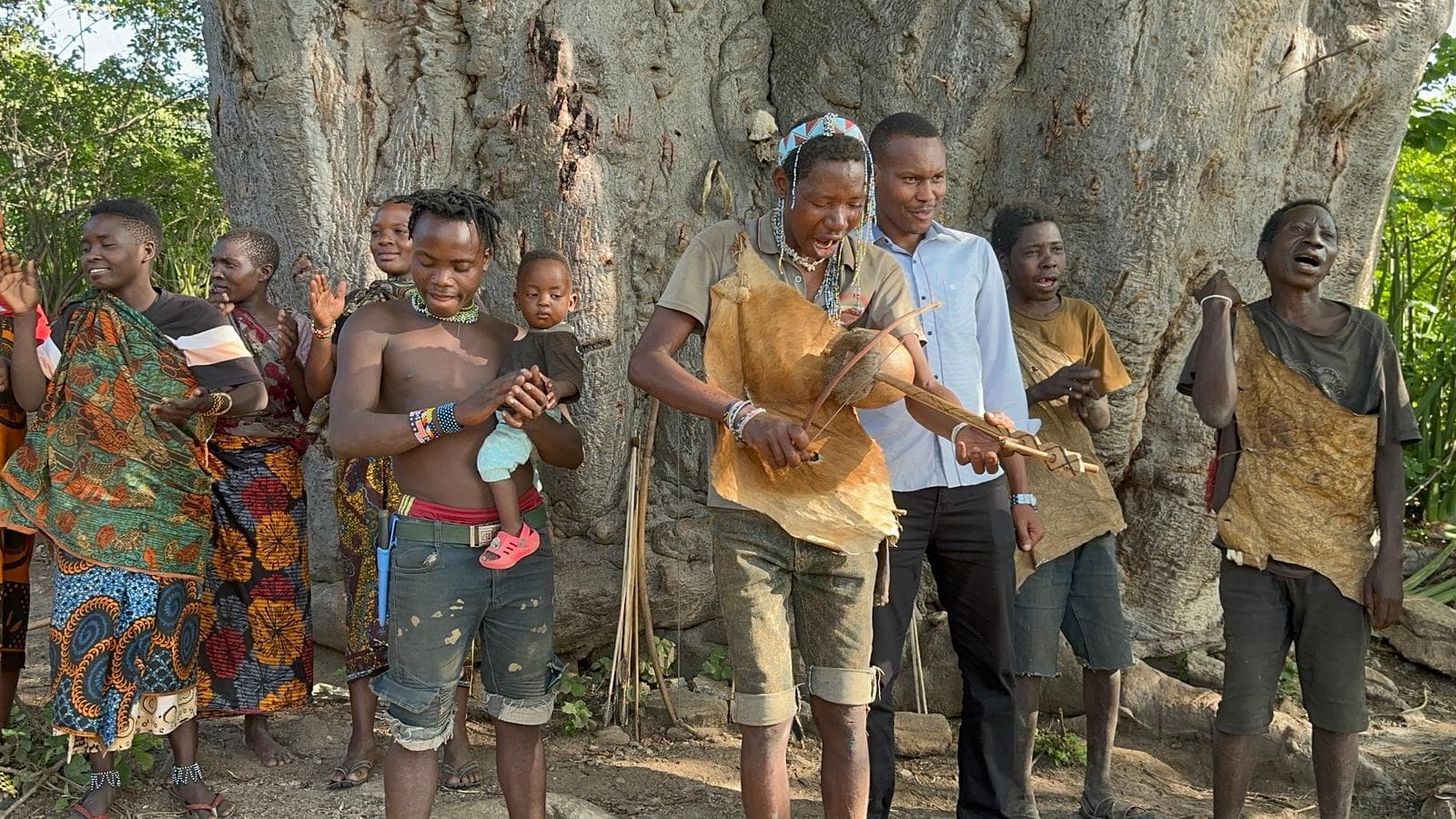
3 Days Hadzabe, Masai and Ngorongoro Crater Safari, Tanzania
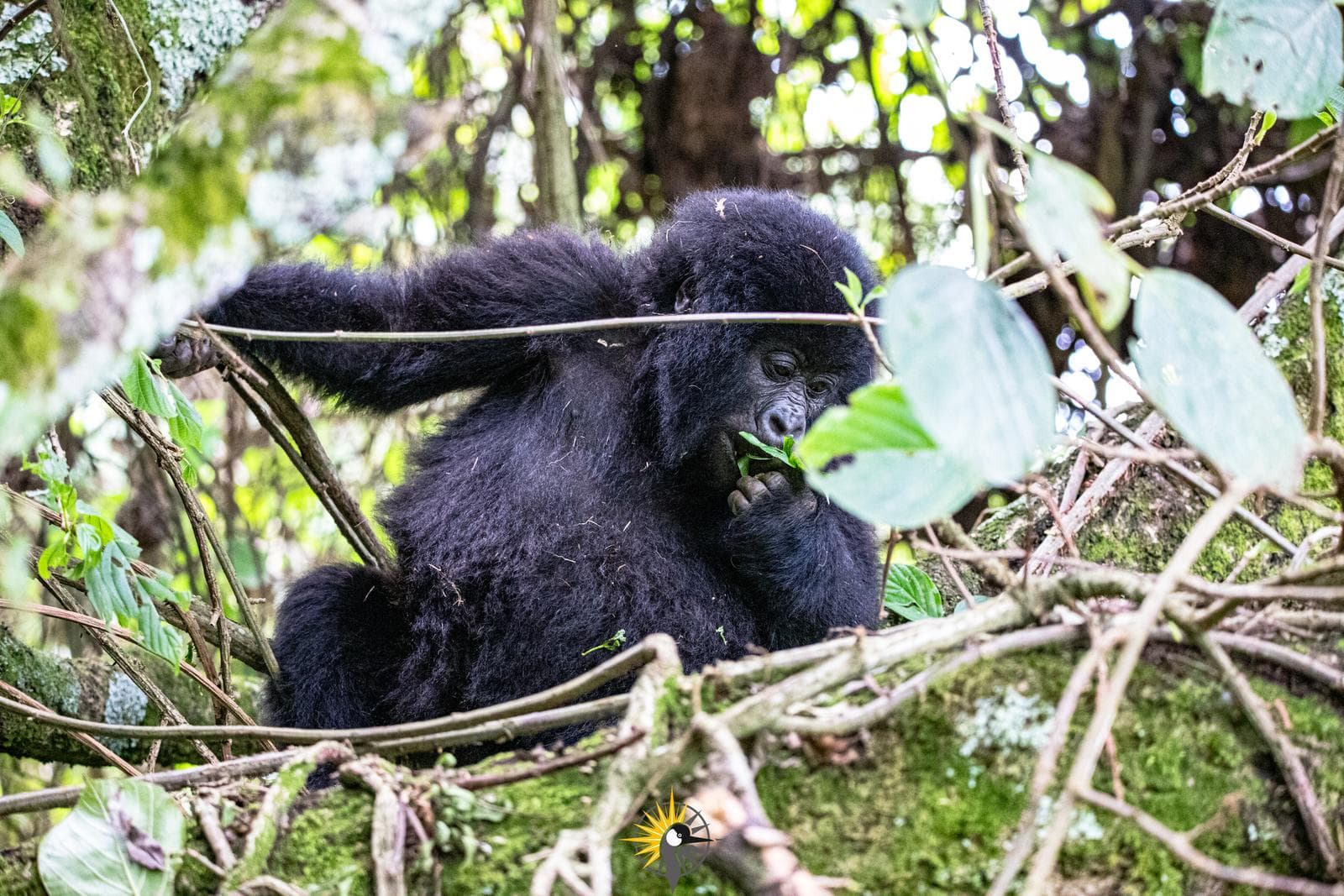
21 Days Epic East Africa safari, gorilla trekking in Bwindi, Big Five safaris and Zanzibar Beach escape
News and Updates
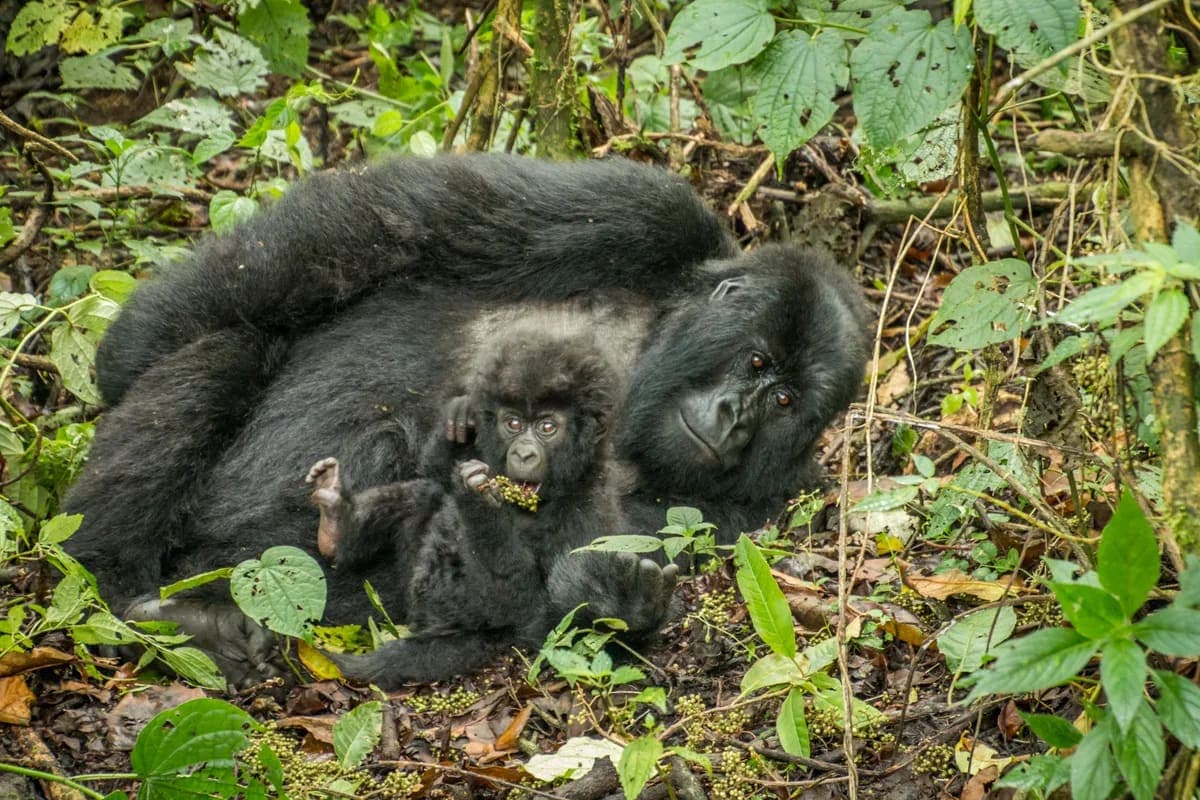
Uganda, Rwanda Primate Trekking and African Safari Packing List
Plan your Uganda and Rwanda safari with a practical packing list for gorilla, chimpanzee and golden monkey trekking, game drives and changing weather.
Read more
Cash Payments and US Dollar Guidelines
Learn how to pay your safari balance in Uganda, Rwanda and Tanzania, including US dollar cash requirements, card payments, fees and local currencies.
Read more
Entebbe for the Seasoned Traveler: Where to Stay, Drink Coffee and Spend Your Time
Discover the best places to stay, drink Ugandan coffee and explore Entebbe, from Lake Victoria cruises and botanical gardens to shoebill tracking and conservation experiences. For many visitors, Entebbe is simply the place where their flight lands before they continue to Kampala, Bwindi, Murchison Falls, or another part of Uganda. Experienced travelers know better. Set along the northern shores of Lake Victoria, Entebbe offers something increasingly rare in modern travel: a gentle arrival. Its leafy streets, tropical gardens, lakeside restaurants, historic institutions, and unhurried atmosphere provide a welcome transition between an international flight and the intensity of an African safari. Entebbe does not demand that you rush from one attraction to another. It rewards travelers who stay for a night or two, recover from the journey, drink good Ugandan coffee, and explore at a considered pace.
Read more