Uganda, Rwanda Primate Trekking and African Safari Packing List
A safari in Uganda and Rwanda can take you from warm savannahs to cool, wet mountain forests in the same trip. Gorilla, chimpanzee and golden monkey tracking can involve steep slopes, mud, thick vegetation, insects and sudden rain, so packing the right clothing and footwear makes a major difference. Waterproof hiking boots, long trousers, long sleeves and rain protection are particularly important.
Gorilla Tracking Packing List
For Bwindi Impenetrable National Park and Mgahinga Gorilla National Park in Uganda, and Volcanoes National Park in Rwanda, prepare for potentially wet, muddy and uneven forest trails.
Clothing
- Lightweight, quick-drying long hiking trousers
- Long-sleeved breathable shirt
- Moisture-wicking T-shirt/base layer
- Lightweight waterproof rain jacket or poncho
- Fleece, sweater or light warm jacket for cool mornings
- Comfortable underwear and sports bra where applicable
- Long, comfortable hiking socks
- An extra pair of dry socks
- Gaiters, especially during wet conditions
- Neutral colours such as khaki, olive, brown, beige or grey
Avoid relying on jeans for the trek. Once wet, they become heavy and take a long time to dry.
Footwear
- Waterproof hiking boots with excellent grip
- Preferably ankle-supporting boots
- Boots should be broken in before your safari
- Lightweight shoes or sandals can remain at the lodge for after the trek
Protection
- Lightweight gardening or trekking gloves — useful when holding vegetation for support
- Insect repellent
- Sunscreen
- Hat/cap
- Sunglasses
- Small personal first-aid kit
- Any personal prescription medication
Your daypack
A small waterproof or water-resistant backpack is ideal. Carry:
- Drinking water
- Packed lunch/snacks provided by your lodge/operator
- Rain jacket
- Camera
- Spare camera battery
- Phone
- Power bank
- Waterproof/dry bag for electronics
- Tissues/toilet paper
- Hand sanitiser
- Small first-aid items
- Permit/booking information and identification where requested
A porter is highly recommended. Apart from carrying your daypack, porters can provide valuable assistance on difficult or slippery sections of the trail.
Photography
- Camera or smartphone
- Spare batteries
- Extra memory cards
- Lens cloth
- Waterproof camera cover/dry bag
- Moderate zoom lens if available
Do not use flash photography around the primates. Rwanda safari guidance specifically recommends flash-free photography for gorillas, chimpanzees and golden monkeys.
Chimpanzee Tracking Packing List
This applies particularly to places such as Kibale National Park and Kyambura Gorge in Uganda, and Nyungwe National Park in Rwanda.
Chimpanzee tracking can be faster-paced than gorilla trekking because chimps move through the forest considerably more actively.
Bring:
- Lightweight long trousers
- Long-sleeved shirt
- Quick-drying T-shirt
- Waterproof hiking boots with good grip
- Long hiking socks
- Lightweight rain jacket/poncho
- Small daypack
- Water
- Snacks where permitted/provided
- Insect repellent
- Sunscreen
- Hat
- Gardening/trekking gloves if desired
- Gaiters, particularly in muddy conditions
- Camera or smartphone
- Spare battery/power bank
- Binoculars, particularly worthwhile for chimps high in the canopy and for forest birds
- Waterproof bag for electronics
- Personal medication
- Small first-aid kit
For photographers, a zoom lens is particularly useful for chimpanzees because they may remain high in the trees.
Golden Monkey Tracking Packing List
Golden monkey tracking in Mgahinga Gorilla National Park, Uganda, and Volcanoes National Park, Rwanda, usually takes place through montane/bamboo forest.
Pack:
- Comfortable hiking boots
- Long hiking trousers
- Long-sleeved shirt
- Hiking socks
- Rain jacket
- Light fleece/sweater
- Small daypack
- Water
- Insect repellent
- Sunscreen
- Hat
- Gardening/trekking gloves
- Gaiters
- Camera
- Spare batteries
- Extra memory card
- Waterproof camera/phone bag
- Binoculars
- Personal medication
Golden monkeys can be extremely active, so photographers should favour equipment that can be handled quickly rather than very heavy setups.
General African Safari Packing List
For game drives and boat safaris in destinations such as Murchison Falls, Queen Elizabeth, Lake Mburo, Kidepo, Akagera, Serengeti, Ngorongoro, Masai Mara and other African wildlife areas:
Safari clothing
Pack lightweight, breathable and preferably neutral-coloured clothing:
- 3–5 lightweight safari shirts/T-shirts
- 2–3 pairs lightweight trousers
- 1–2 pairs shorts for appropriate locations/lodge use
- Long-sleeved shirt for evenings
- Light fleece or sweater
- Lightweight waterproof jacket
- Comfortable underwear
- Several pairs of socks
- Sleepwear
- Swimsuit for lodges with swimming pools
- Comfortable closed walking shoes
- Sandals/flip-flops for the lodge
- Wide-brimmed safari hat or cap
Avoid packing only heavy clothing. Layers work better because mornings can be cool while afternoons become hot.
Wildlife viewing equipment
- Binoculars — one of the most useful safari items
- Camera
- Telephoto/zoom lens
- Spare camera batteries
- Extra memory cards
- Battery charger
- Lens-cleaning cloth/kit
- Phone
- Power bank
- Charging cables
- Plug adapter suitable for your destinations
- Waterproof/dust-resistant camera bag
A pair of binoculars is especially worthwhile for birds, distant predators and animals that cannot safely be approached closely.
Sun & insect protection
- High-SPF sunscreen
- Sunglasses
- Hat
- Insect/mosquito repellent
- Lip balm with SPF
- After-sun lotion if desired
- Lightweight long sleeves/trousers for evenings
Health & Personal Medical Kit
Carry essential medication in your hand luggage rather than checked baggage.
Consider packing:
- Prescription medication for the entire trip, plus some extra
- Copies of prescriptions
- Malaria medication where advised by your doctor
- Painkillers
- Antihistamine
- Anti-diarrhoeal medication
- Oral rehydration salts/electrolytes
- Motion-sickness medication if required
- Plasters/bandages
- Antiseptic
- Blister treatment
- Insect-bite treatment
- Hand sanitiser
- Wet wipes
- Personal hygiene products
- Small travel first-aid kit
Travelers should discuss vaccinations and malaria prevention with a qualified travel-health professional before departure. CDC currently recommends malaria preventive medication for travelers to both Uganda and Rwanda.
Yellow-fever requirements differ between the two countries and can also depend on where you are arriving from. Uganda has stricter entry requirements, while Rwanda may require proof depending on your travel origin. Always check the latest requirements for your specific itinerary before departure.
Travel Documents & Money
Keep these together in a secure waterproof travel wallet:
- Passport with sufficient validity
- Visas/e-visa documentation where applicable
- Gorilla/chimp/golden monkey permit confirmation where supplied
- Yellow fever vaccination certificate where required
- Travel insurance details
- Emergency evacuation/medical insurance information
- Flight tickets/confirmations
- Safari itinerary
- Hotel/lodge confirmations
- Tour operator contact details
- Emergency contact information
- Photocopies of passport
- Digital copies stored securely online
- Credit/debit cards
- Some cash in USD
- Small amount of local currency where useful
Keep your passport, cards, cash, medication and important documents in your carry-on luggage, not checked baggage.
You
Toiletries & Personal Items
Most safari lodges provide basic toiletries, but clients with preferred brands should bring their own.
Consider:
- Toothbrush and toothpaste
- Deodorant
- Moisturiser
- Shampoo/conditioner where desired
- Hairbrush/comb
- Feminine hygiene products
- Razor
- Contact lenses and solution
- Spare glasses
- Small microfiber towel
- Wet wipes
- Tissues
- Hand sanitiser
- Reusable water bottle
Useful Extras People Often Forget
These small items can become surprisingly useful:
- Small torch/headlamp
- Power bank
- Universal travel adapter
- Zip-lock bags
- Waterproof dry bag
- Small laundry bag
- Lightweight reusable shopping bag
- Travel-size detergent
- Earplugs
- Eye mask
- Notebook and pen
- Luggage tags
- Small combination lock
- Refillable water bottle
- Extra pair of prescription glasses
- Copies of important documents
What to Put in Your Carry-On Bag
Never put everything essential into your checked luggage.
Your carry-on should contain:
- Passport and travel documents
- Wallet/cards/cash
- Phone and charger
- Camera where practical
- Prescription medication
- One complete change of clothes
- Underwear
- Basic toiletries
- Hiking shoes if space allows
- Rain jacket
- Essential valuables
This gives you enough essentials to continue your safari temporarily if checked luggage is delayed.
What NOT to Overpack
African safari travel is generally easier with soft-sided, manageable luggage, particularly when an itinerary includes smaller aircraft.
You normally don’t need:
- Several formal outfits
- Heavy winter coats
- Large quantities of shoes
- Large hard-shell suitcases when flying on light aircraft
- Excessive toiletries
- Heavy jeans for trekking
- Large amounts of jewellery
- Unnecessary valuables
Many safari lodges offer laundry services, making it possible to travel considerably lighter.
The Golden Rule
Pack light, but never compromise on good hiking boots, rain protection, sun protection, insect protection and your essential medications.
For gorilla, chimpanzee and golden monkey tracking, the five most important pieces of equipment are good waterproof hiking boots, long trousers, a long-sleeved shirt, a rain jacket and a comfortable daypack. Forest conditions can change quickly, and rain and mud are possible even outside the main rainy periods.
For a classic African safari, add binoculars, neutral lightweight clothing, sun protection, a warm layer for early game drives and good camera equipment.
Musana Tours & Travel Tip: Pack for the experience, not for fashion. On safari, comfortable, practical clothing will almost always serve you better than bringing too much luggage.
0 Comments
Write your comment
Top safaris
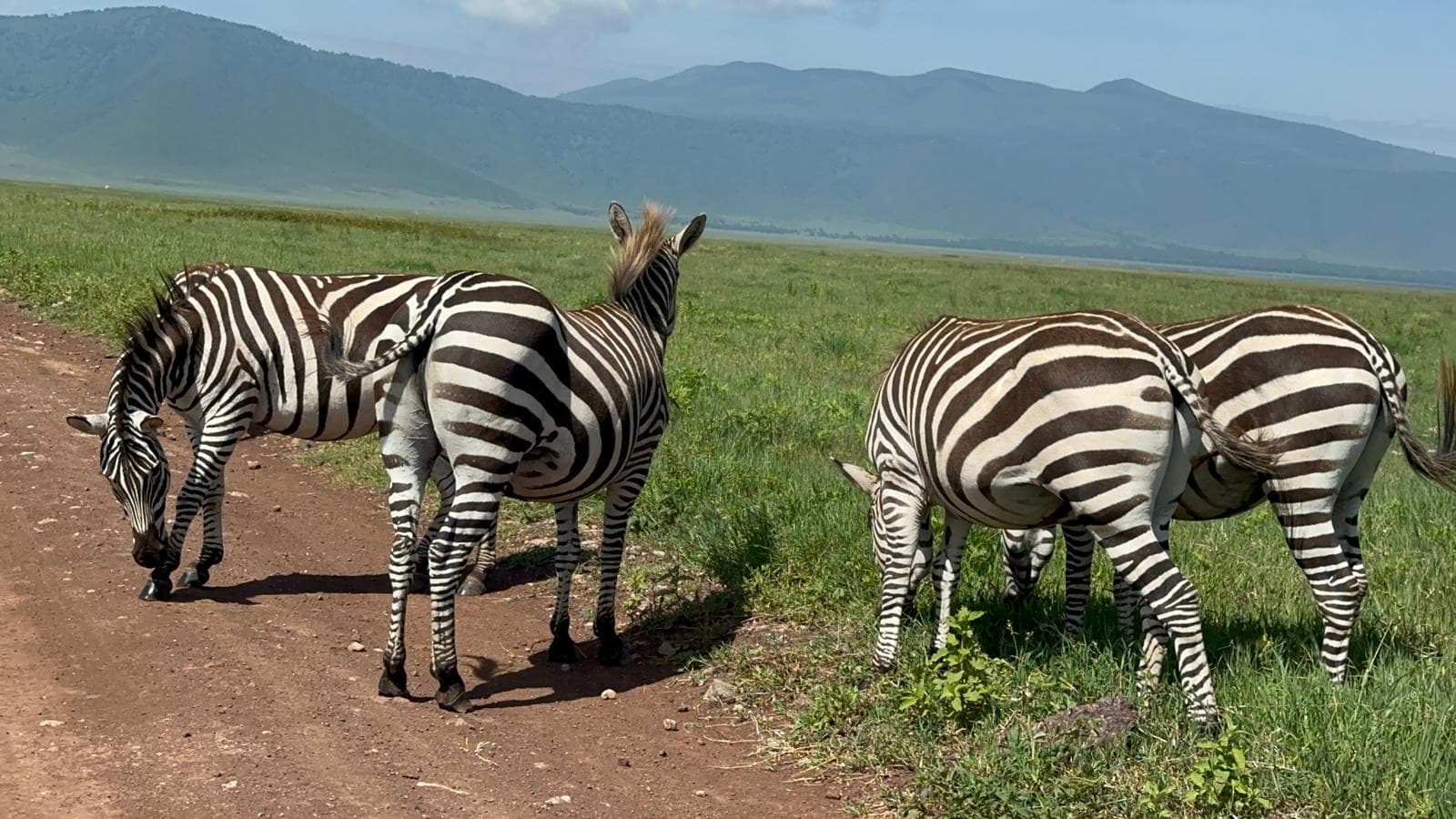
9 Days Gorilla tracking in Uganda, Tarangire, Ngorongoro, and Serengeti National Park in Tanzania
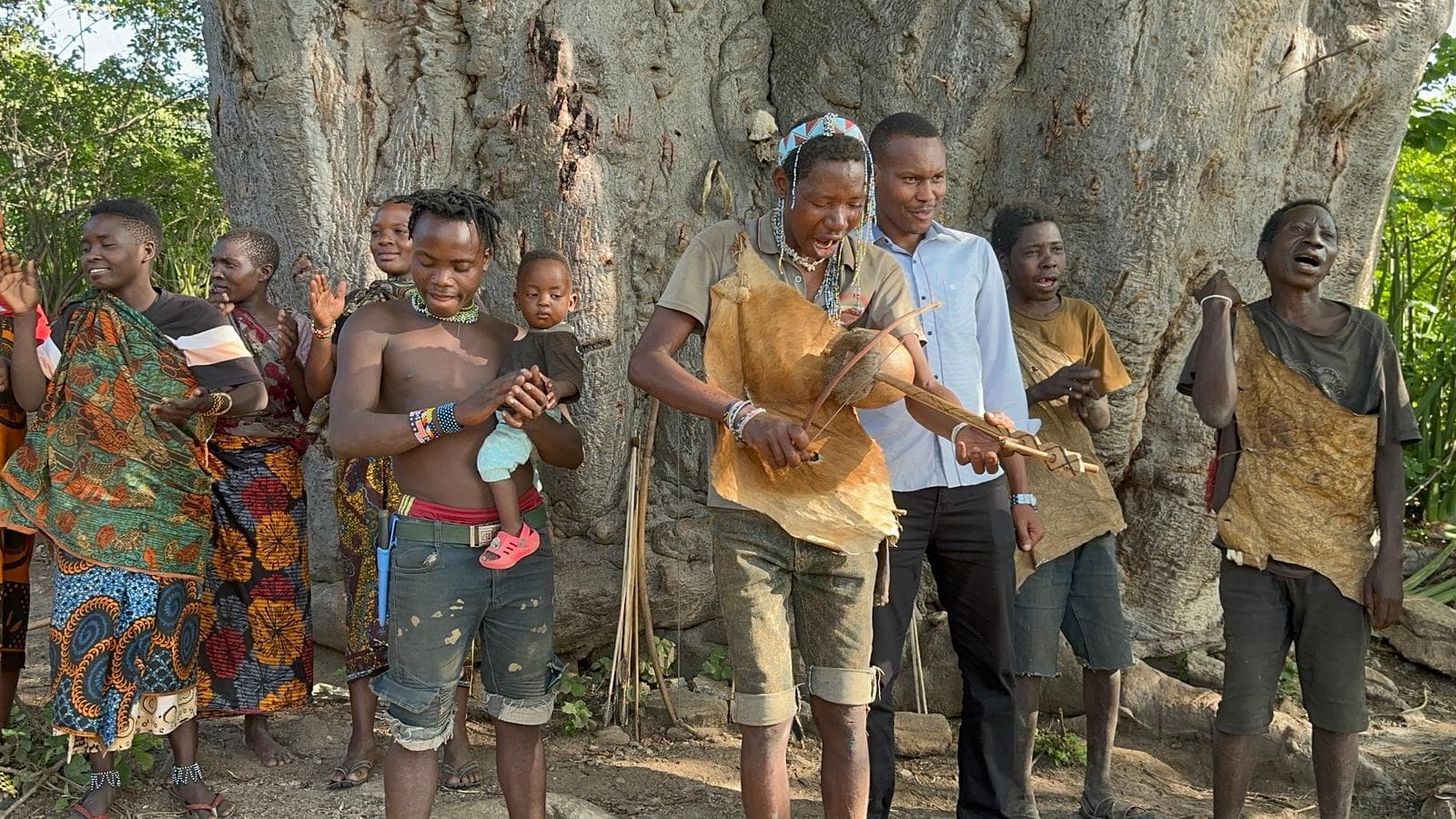
3 Days Hadzabe, Masai and Ngorongoro Crater Safari, Tanzania
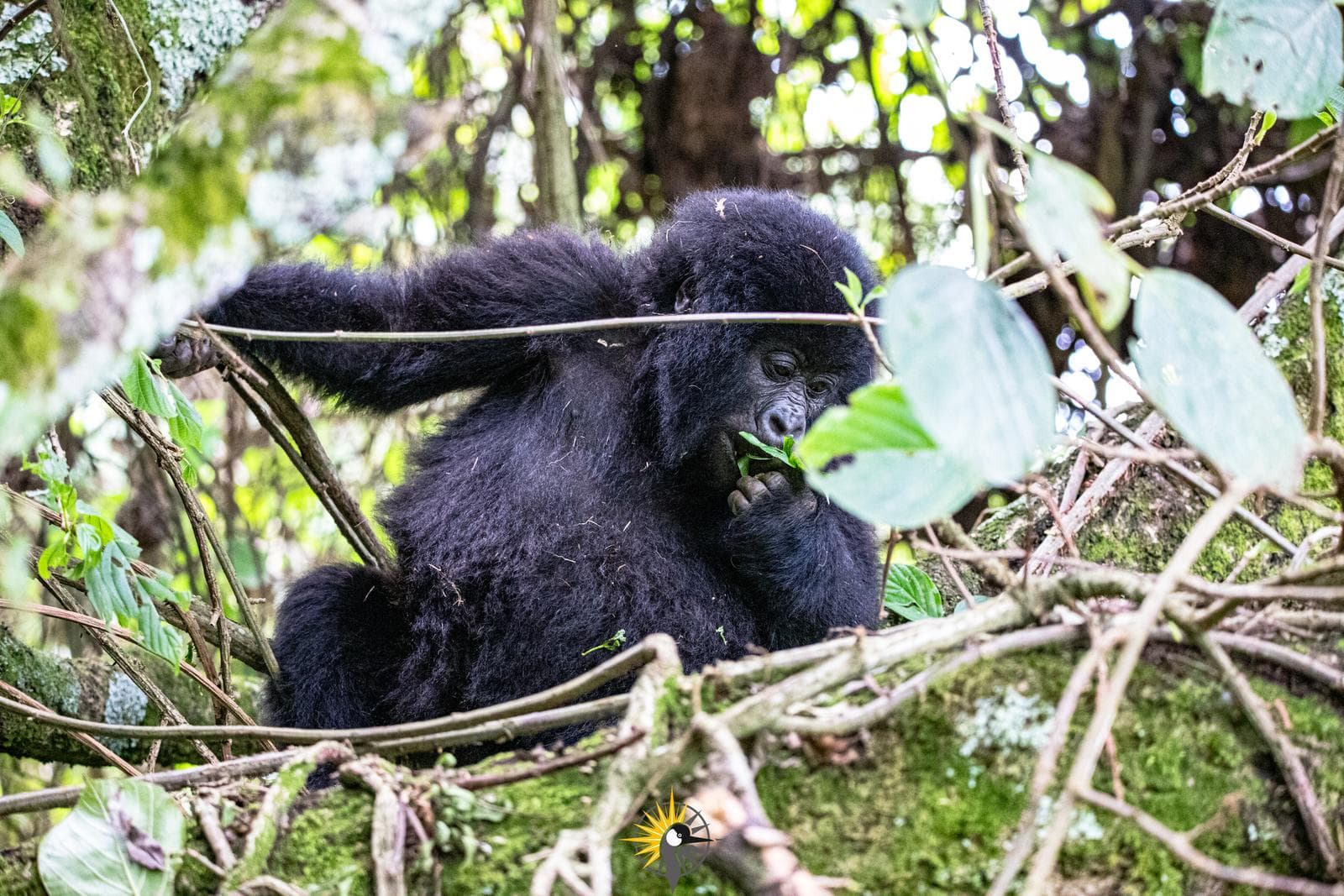
21 Days Epic East Africa safari, gorilla trekking in Bwindi, Big Five safaris and Zanzibar Beach escape
News and Updates
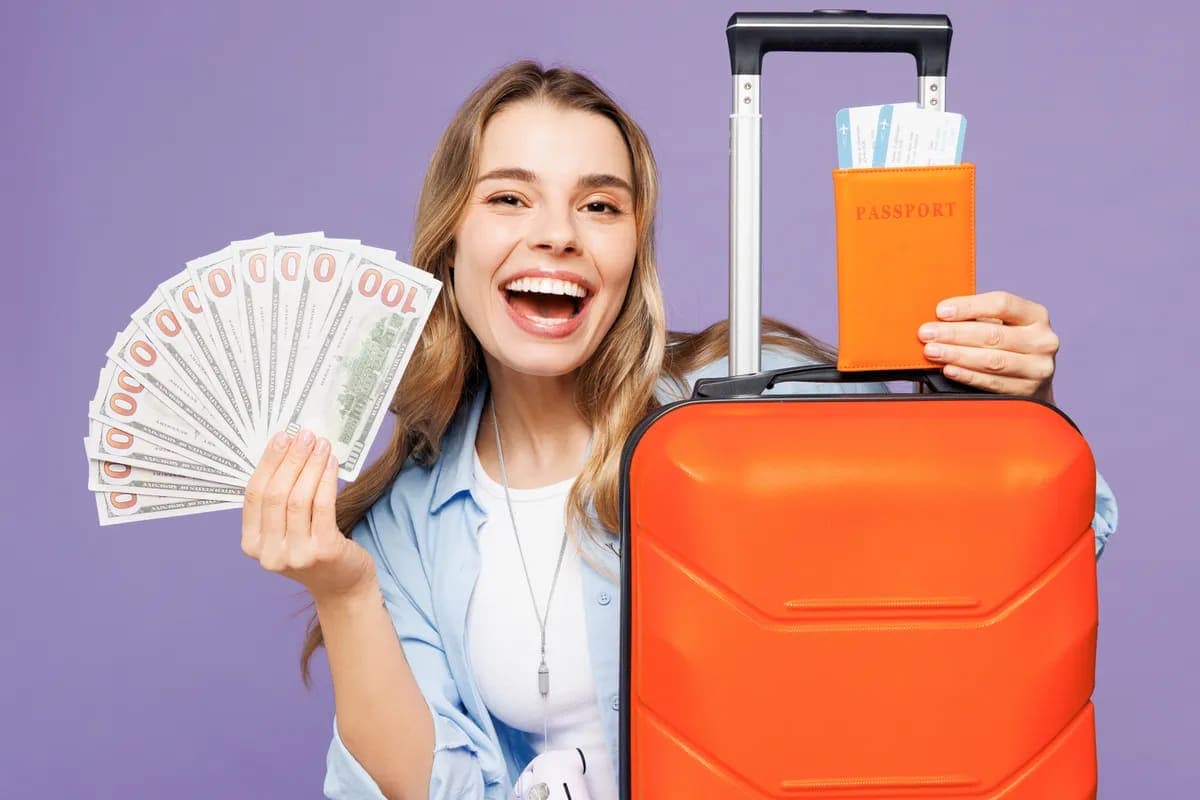
Cash Payments and US Dollar Guidelines
Learn how to pay your safari balance in Uganda, Rwanda and Tanzania, including US dollar cash requirements, card payments, fees and local currencies.
Read more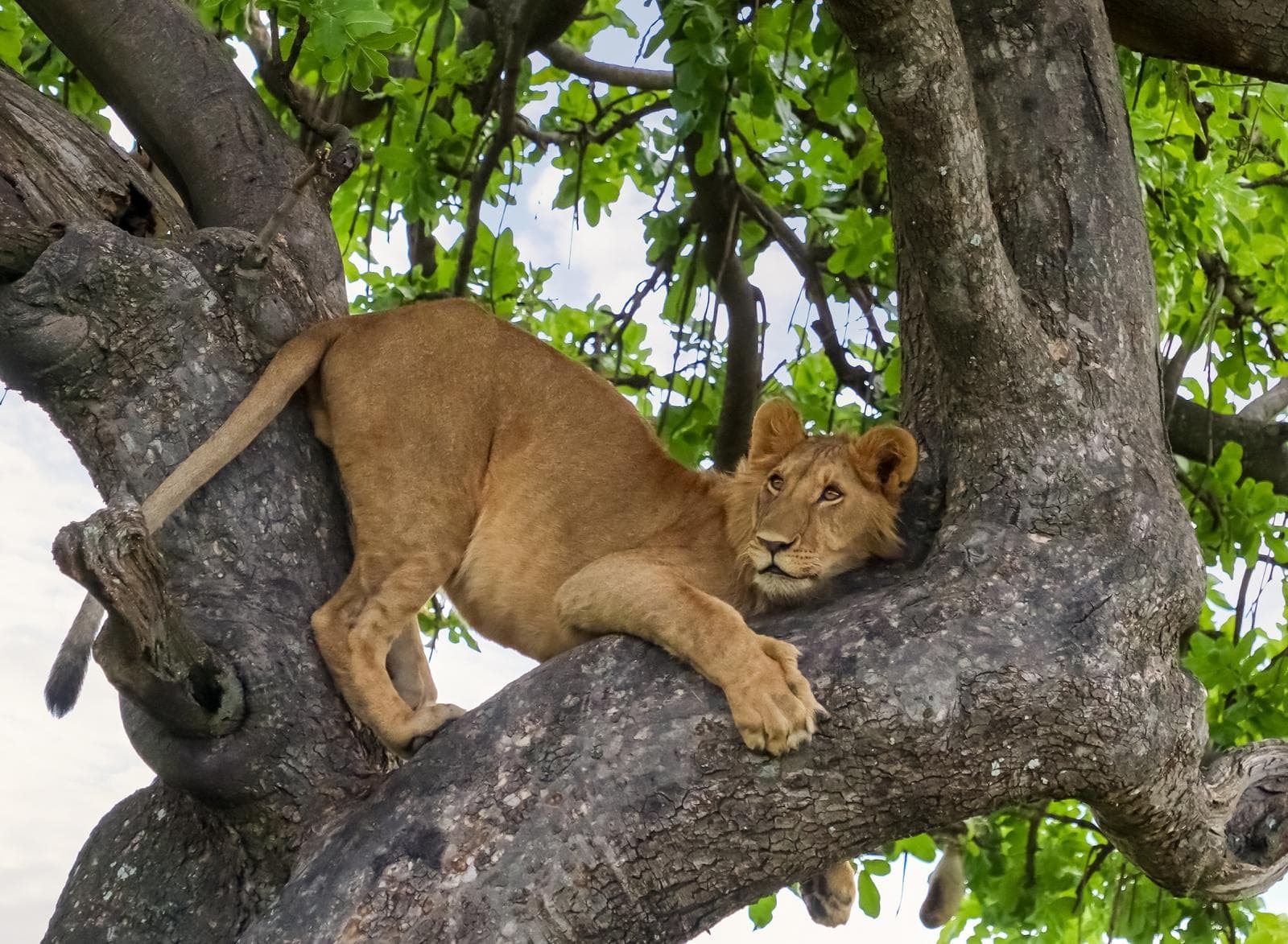
Entebbe for the Seasoned Traveler: Where to Stay, Drink Coffee and Spend Your Time
Discover the best places to stay, drink Ugandan coffee and explore Entebbe, from Lake Victoria cruises and botanical gardens to shoebill tracking and conservation experiences. For many visitors, Entebbe is simply the place where their flight lands before they continue to Kampala, Bwindi, Murchison Falls, or another part of Uganda. Experienced travelers know better. Set along the northern shores of Lake Victoria, Entebbe offers something increasingly rare in modern travel: a gentle arrival. Its leafy streets, tropical gardens, lakeside restaurants, historic institutions, and unhurried atmosphere provide a welcome transition between an international flight and the intensity of an African safari. Entebbe does not demand that you rush from one attraction to another. It rewards travelers who stay for a night or two, recover from the journey, drink good Ugandan coffee, and explore at a considered pace.
Read more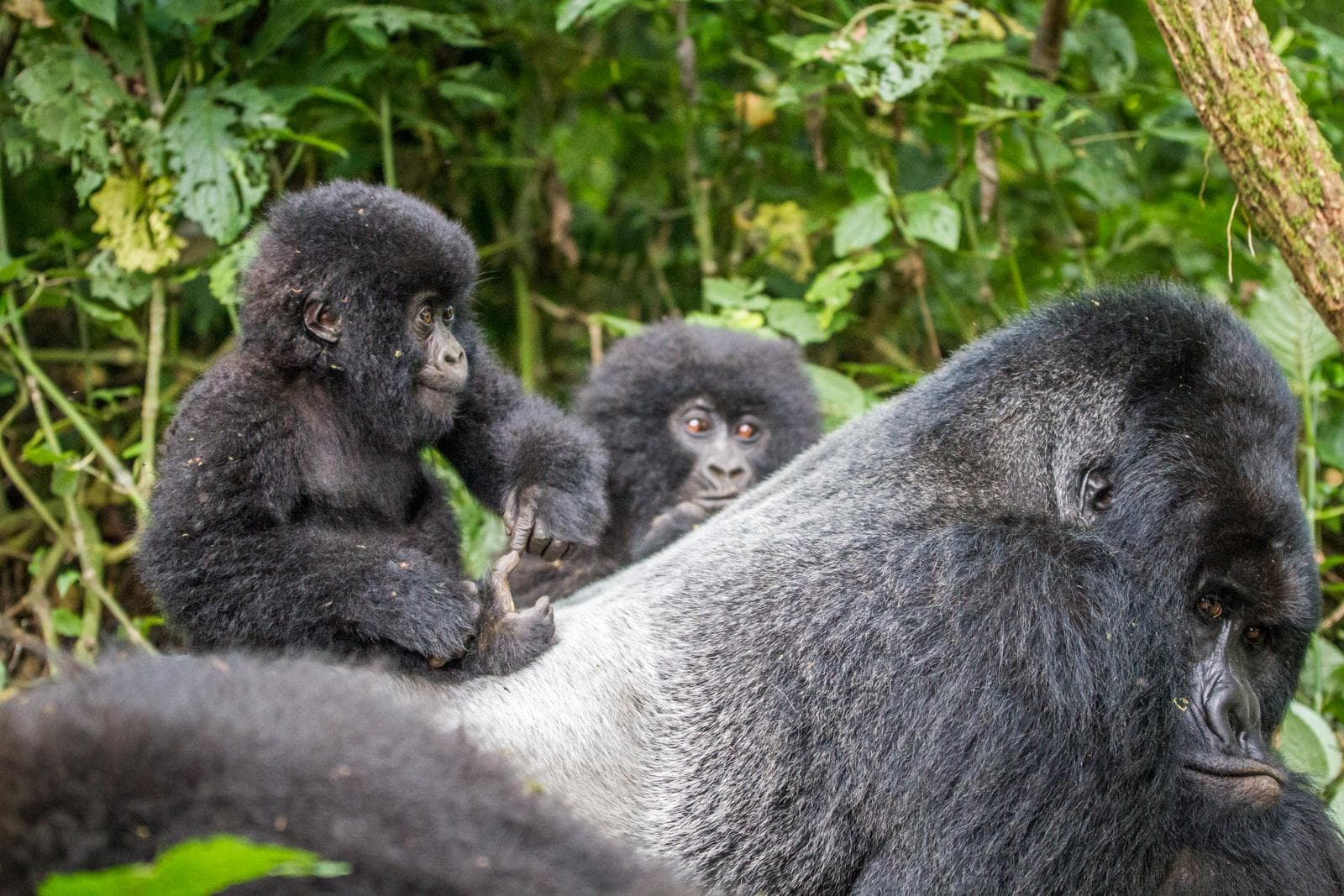
Uganda Wildlife Authority Announces New Permit Tariffs Effective 1 July 2026, What you Need to Know
Discover Uganda Wildlife Authority's 2026 permit prices for gorilla trekking, chimpanzee tracking, and safari experiences. Plan your Uganda adventure today.
Read more