Akagera national park
Located in eastern Rwanda, near the border with Tanzania, Akagera National Park is a premier safari destination in East Africa. Named after the Kagera River, which forms its eastern boundary, the park covers over 1,100 square kilometers and showcases a spectacular mix of savannah, wetlands, lakes, and woodlands. It is home to an incredible variety of wildlife, including the Big Five, and offers visitors a chance to experience a classic African safari without leaving Rwanda.
History and Restoration of Akagera National Park
Akagera National Park was established in 1934, making it one of Rwanda’s oldest protected areas. The park faced significant challenges during the late 20th century, including poaching and the aftermath of the 1994 Rwandan Genocide, which drastically reduced wildlife populations. By the early 2000s, the park underwent major restoration efforts led by the Rwanda Development Board (RDB) in partnership with conservation organizations. Anti-poaching initiatives, reintroductions of key species, and community-based conservation programs helped Akagera recover its rich biodiversity, restoring it as a top safari destination in the region.
Wildlife in Akagera National Park
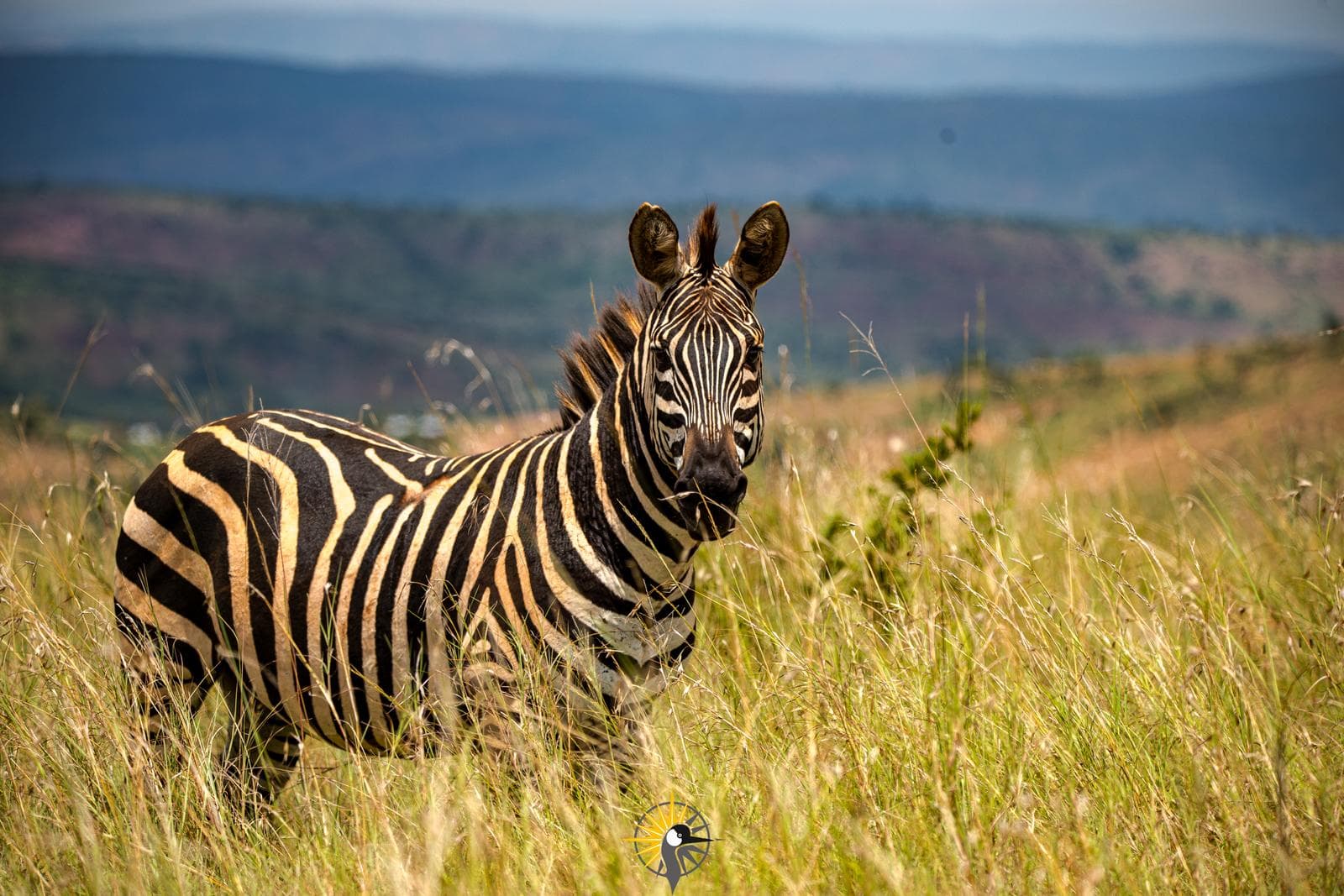
Akagera is renowned for its wildlife diversity, offering visitors the opportunity to see the Big Five—lion, elephant, buffalo, leopard, and rhinoceros. The park’s rolling savannahs and wetlands are also home to giraffes, zebras, impalas, waterbucks, and hippos. Its seven lakes, including the iconic Lake Ihema, provide essential water sources for countless animals and attract a variety of bird species. Over 500 bird species have been recorded in the park, making it a paradise for birdwatchers.
Unlike other Rwandan parks, Akagera offers classic open-land safari experiences, with wide-open landscapes that allow visitors to spot wildlife from a distance. This makes it particularly appealing for photographers and travelers seeking the quintessential African safari experience.
Safari Activities in Akagera National Park
Visitors to Akagera can enjoy a range of safari experiences. Game drives are the most popular, with morning and evening drives offering different opportunities for spotting wildlife. Guided by experienced rangers, tourists traverse the park’s savannahs, wetlands, and forested areas, often encountering elephants grazing, lions resting under acacia trees, or hippos lounging in the lakes.
Boat safaris on Lake Ihema provide a unique perspective, bringing visitors close to crocodiles, hippos, and waterbirds while offering serene views of the surrounding landscapes. Walking safaris and nature trails are also available, allowing a more intimate connection with the park’s flora and smaller wildlife species.
Accommodation Around Akagera National Park
Akagera offers a range of accommodations suited to different traveler preferences. Luxury lodges like Ruzizi Tented Lodge and Magashi Camp offer immersive experiences with modern comforts, blending into the natural environment while offering stunning views of the savannah and lakes. Mid-range and budget lodges offer comfortable stays with access to guided safaris, ensuring that all visitors can enjoy the park regardless of budget.
Best Time to Visit Akagera National Park
The optimal time to visit Akagera is during the dry seasons, from June to September and December to February. During these months, animals gather around water sources, making wildlife sightings easier and game drives more accessible. Wet seasons are also appealing for birdwatchers, as migratory species arrive and the park becomes lush and green.
Conservation and Community Engagement
Akagera National Park is a model for combining wildlife conservation with community benefits. Tourism revenues support anti-poaching teams, habitat restoration, and local initiatives, including schools and healthcare programs. The park works closely with surrounding communities to ensure that conservation efforts improve livelihoods while protecting wildlife.
Conclusion
Akagera National Park offers a unique safari experience in Rwanda, combining vast landscapes, abundant wildlife, and cultural connections with local communities. Whether witnessing elephants at a watering hole, spotting lions on the savannah, or enjoying a boat ride on Lake Ihema, visitors are immersed in the beauty and diversity of Rwanda’s wild east. For anyone seeking a classic African safari without leaving Rwanda, Akagera National Park is an unmissable destination.
0 Frequently Asked Questions
Have any inquiries?
Related safaris
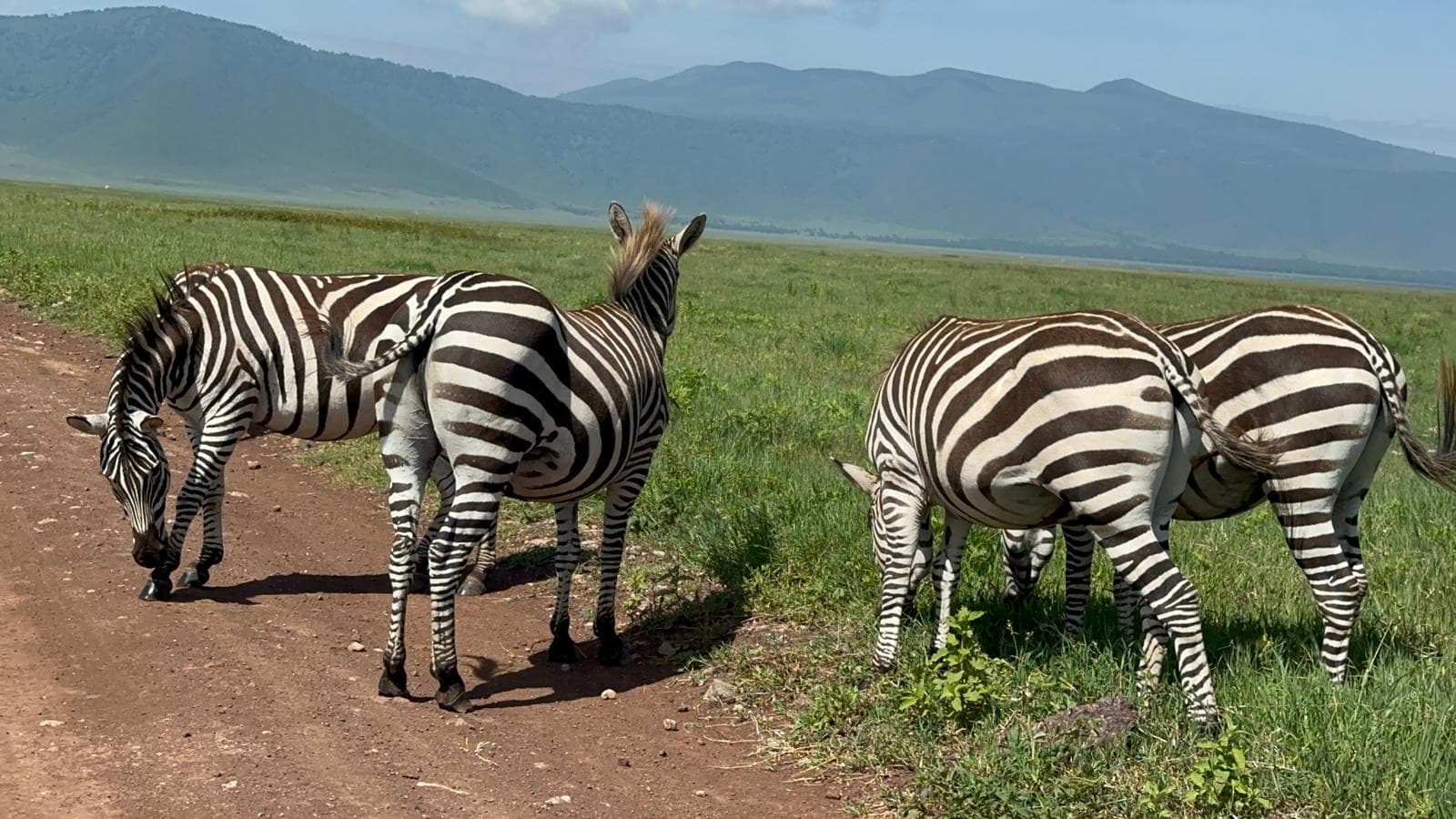
9 Days Gorilla tracking in Uganda, Tarangire, Ngorongoro, and Serengeti National Park in Tanzania
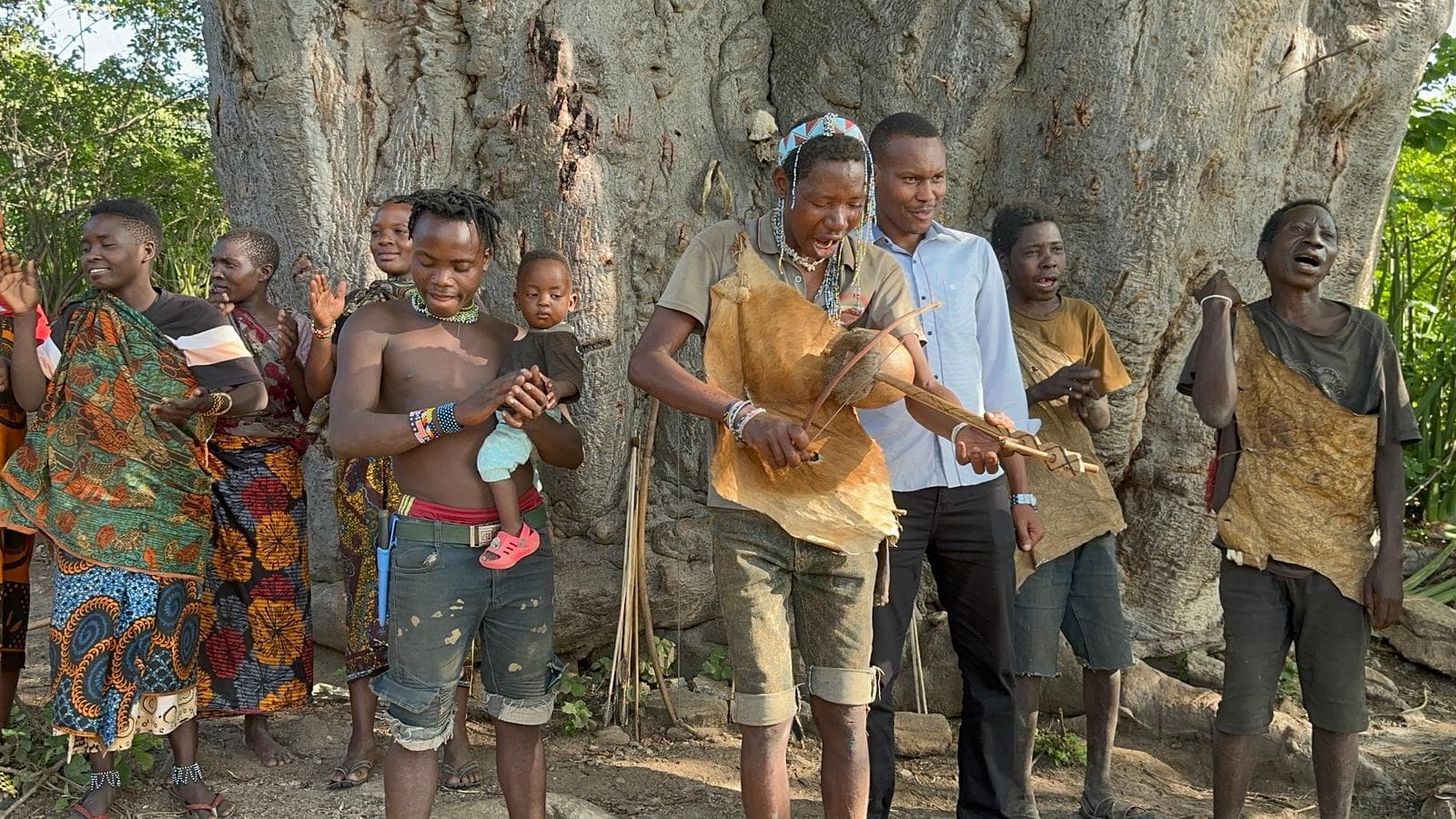
3 Days Hadzabe, Masai and Ngorongoro Crater Safari, Tanzania
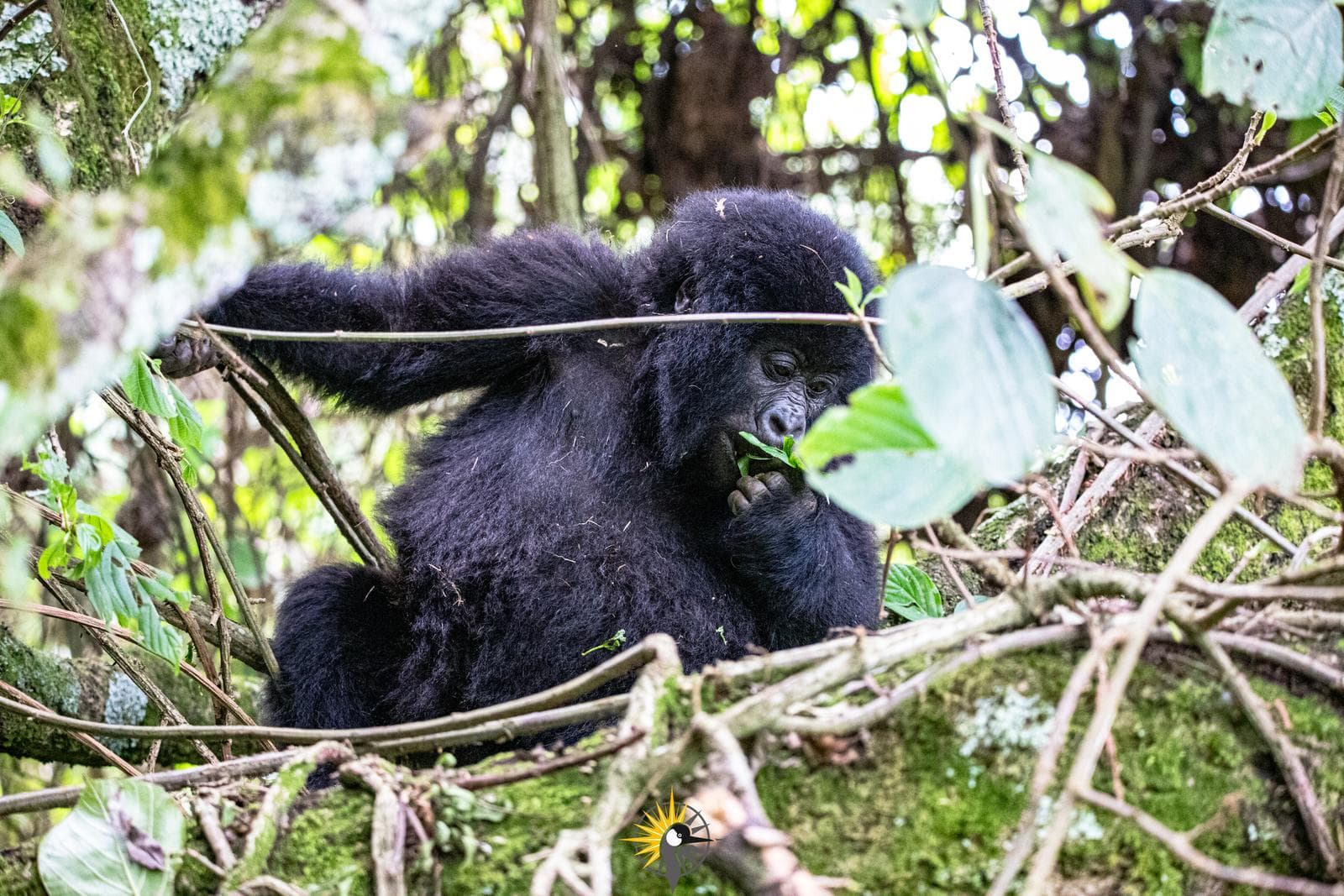
21 Days Epic East Africa safari, gorilla trekking in Bwindi, Big Five safaris and Zanzibar Beach escape
Related parks
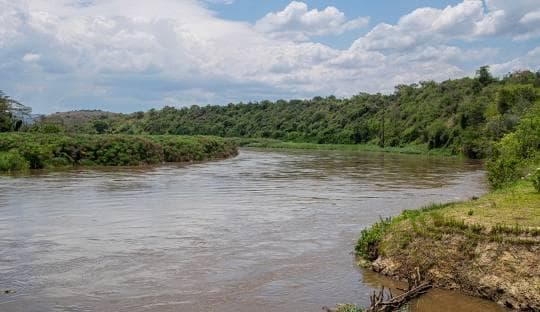
The Akagera River
Experience the beauty of the Akagera River with Musana Tours and Travel. Enjoy boat safaris, birdwatching, wildlife sightings, and serene landscapes in Rwanda’s wilderness.
View park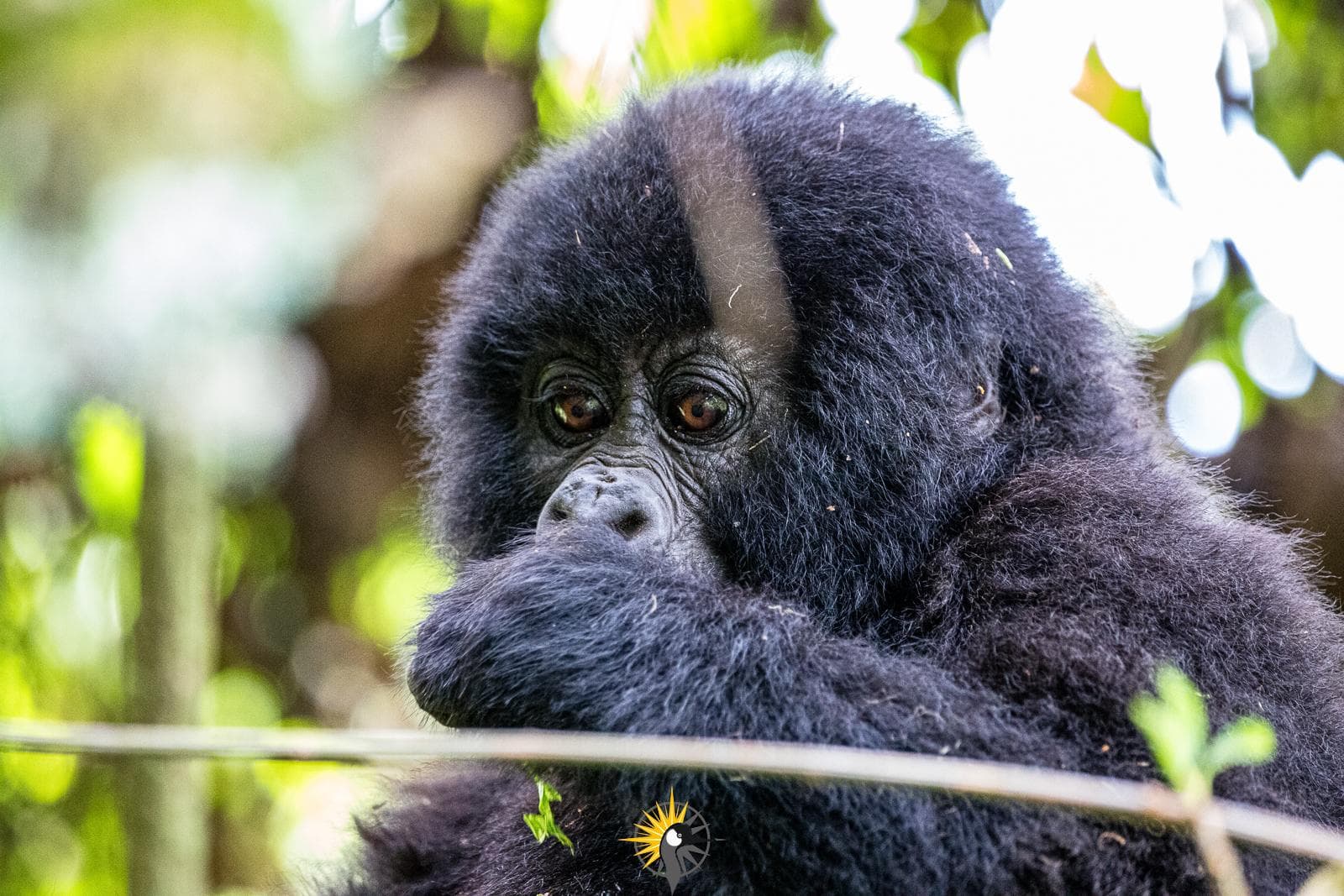
Volcanoes national park
Discover Volcanoes National Park in Rwanda, home to mountain gorillas, golden monkeys, lush forests, and the majestic Virunga volcanoes.
View park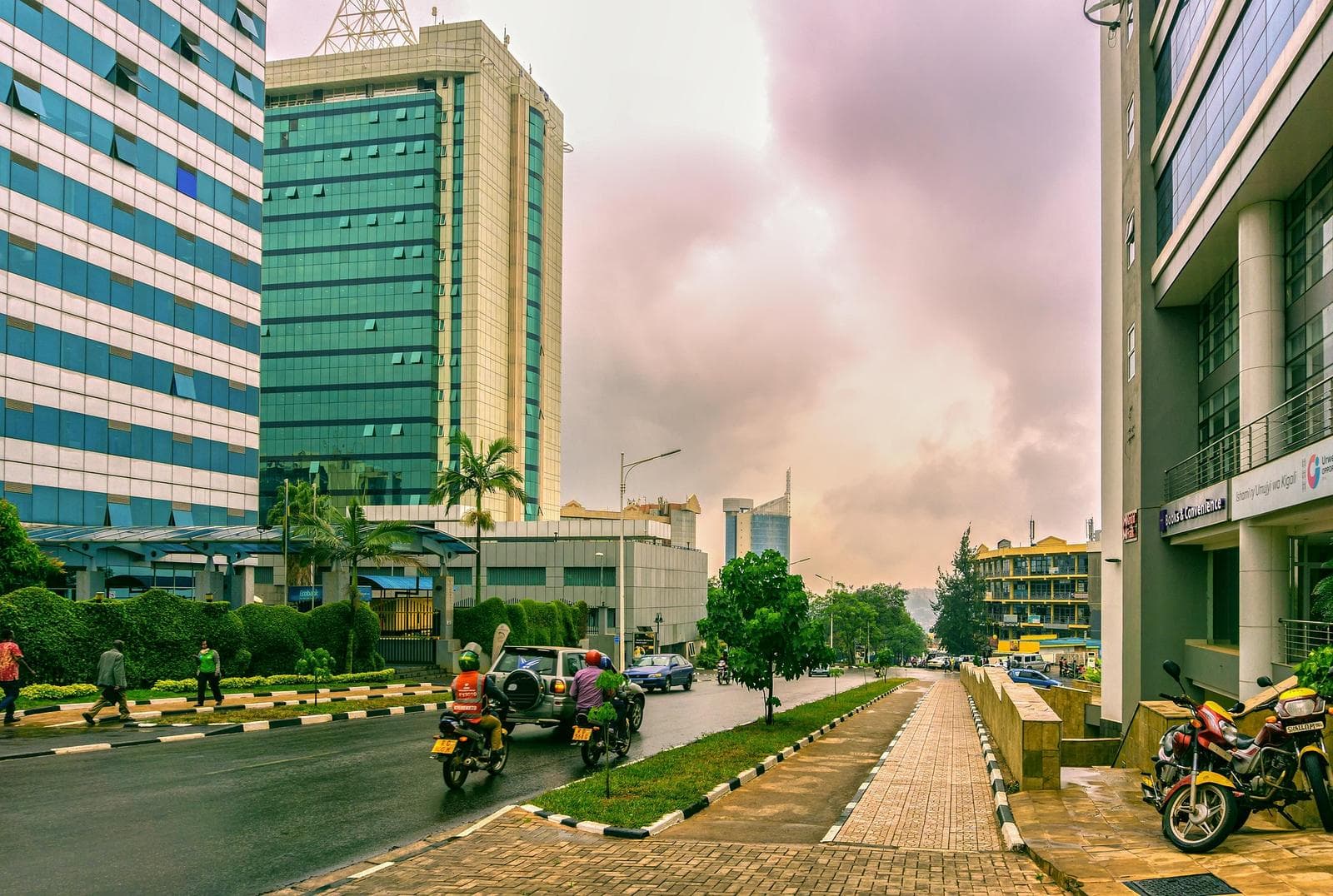
Kigali city
Kigali, the capital city of Rwanda, is a city that effortlessly blends modernity with tradition, offering travelers a unique and enriching experience.
View parkNews and Updates
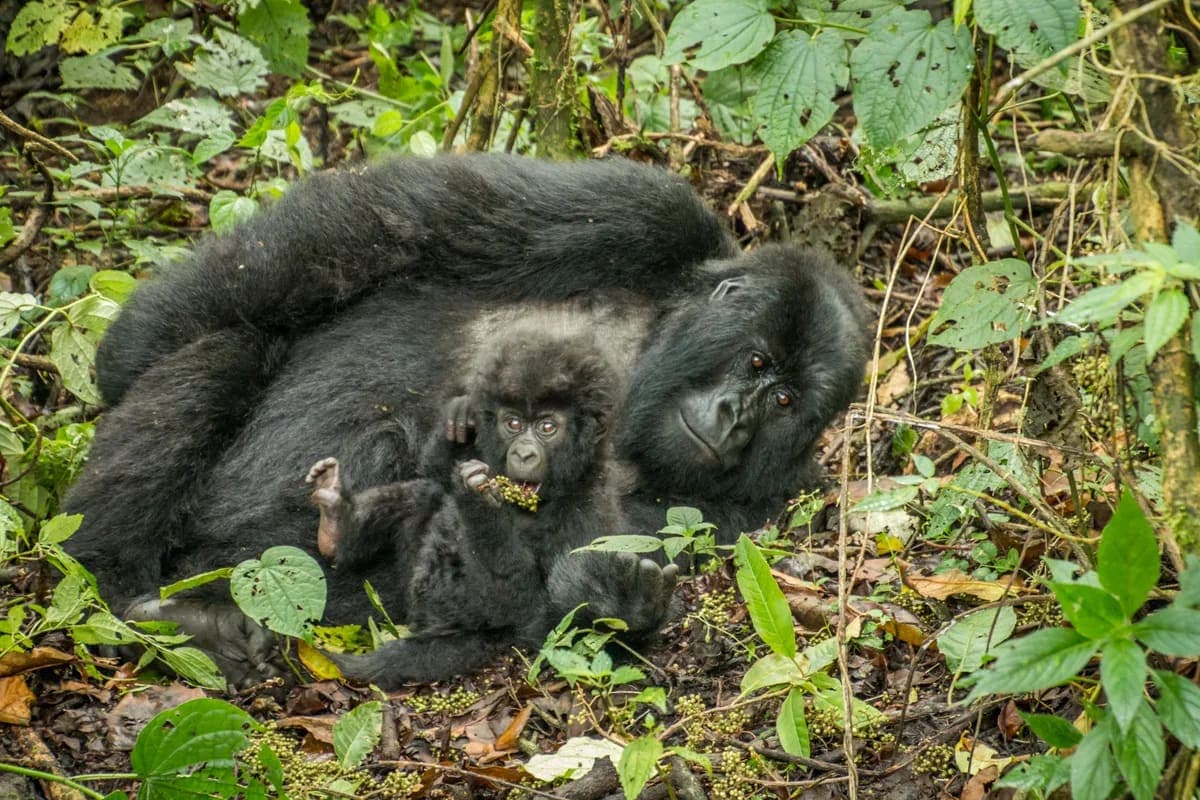
Uganda, Rwanda Primate Trekking and African Safari Packing List
Plan your Uganda and Rwanda safari with a practical packing list for gorilla, chimpanzee and golden monkey trekking, game drives and changing weather.
Read more
Cash Payments and US Dollar Guidelines
Learn how to pay your safari balance in Uganda, Rwanda and Tanzania, including US dollar cash requirements, card payments, fees and local currencies.
Read more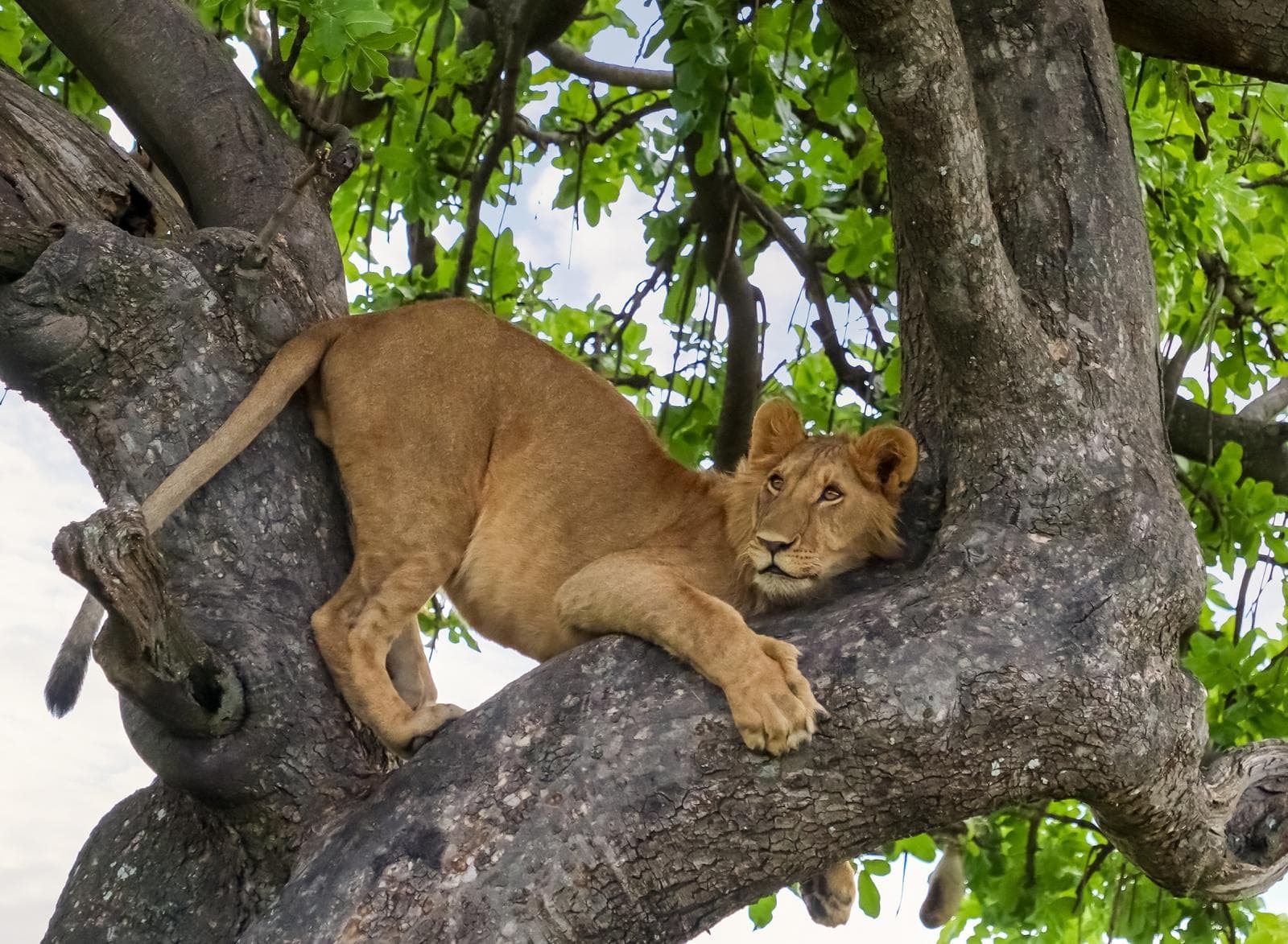
Entebbe for the Seasoned Traveler: Where to Stay, Drink Coffee and Spend Your Time
Discover the best places to stay, drink Ugandan coffee and explore Entebbe, from Lake Victoria cruises and botanical gardens to shoebill tracking and conservation experiences. For many visitors, Entebbe is simply the place where their flight lands before they continue to Kampala, Bwindi, Murchison Falls, or another part of Uganda. Experienced travelers know better. Set along the northern shores of Lake Victoria, Entebbe offers something increasingly rare in modern travel: a gentle arrival. Its leafy streets, tropical gardens, lakeside restaurants, historic institutions, and unhurried atmosphere provide a welcome transition between an international flight and the intensity of an African safari. Entebbe does not demand that you rush from one attraction to another. It rewards travelers who stay for a night or two, recover from the journey, drink good Ugandan coffee, and explore at a considered pace.
Read more