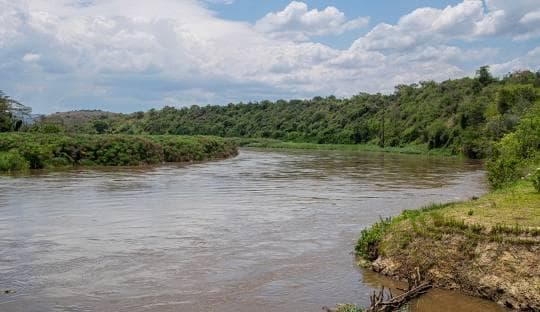
The Akagera River
Flowing through the heart of Akagera National Park, the Akagera River is a lifeline for one of Central Africa’s most biodiverse ecosystems. Its waters sustain savannahs, wetlands, and woodlands, creating a mosaic of habitats that support an astonishing variety of wildlife. From the majestic elephants and lions to the elusive shoebill storks and Nile crocodiles, the Akagera River is at the center of Rwanda’s natural wonders.
With its pristine landscapes and thriving wildlife, the Akagera River is not just a river—it’s an experience that blends adventure, relaxation, and eco-tourism.
The Akagera River’s ecological significance
The Akagera River is a crucial artery for the ecosystems of Akagera National Park. Its waters sustain the park’s vast expanse of savannahs, woodlands, and wetlands, creating a mosaic of habitats that support an astonishing variety of life. The river feeds into a network of interconnected lakes, including the picturesque Lake Ihema, and forms one of the largest protected wetlands in Central Africa.
This biodiversity hotspot is home to iconic African wildlife such as elephants, buffalo, giraffes, and lions. Aquatic species thrive in the river’s waters, including hippos, Nile crocodiles, and numerous fish species. Birdlife is particularly vibrant, with over 500 species recorded in the region. From the regal African fish eagle to the elusive shoebill stork, the Akagera River is a paradise for birdwatchers.
Activities Along the Akagera River
Boat Safaris
One of the best ways to experience the Akagera River is by embarking on a boat safari. These guided tours take visitors along the river or nearby lakes, offering unparalleled opportunities to observe wildlife up close. You’ll see pods of hippos submerged in the water, crocodiles lounging on the banks, and herds of elephants quenching their thirst at the river’s edge. The tranquil flow of the water creates a perfect setting for nature photography and quiet reflection.
ii. Birdwatching
For avid birdwatchers, the Akagera River is an unmissable destination. Its wetlands and surrounding landscapes are teeming with birdlife, from striking malachite kingfishers darting over the water to large flocks of egrets and pelicans. The riverbanks are alive with the chatter and songs of birds, making it an immersive experience for nature lovers.
iii. Fishing Expeditions
While less commonly explored, fishing in the Akagera River is an exciting activity for those looking to connect with the river in a more hands-on way. Anglers can seek out tilapia and catfish, among other species. Proper permissions are required to ensure that fishing remains sustainable and respectful of the ecosystem.
Conservation efforts and community impact
The Akagera River has benefited immensely from ongoing conservation initiatives. In the mid-20th century, Akagera National Park faced significant challenges due to human settlement, agricultural encroachment, and poaching. These pressures extended to the river and its wetlands, threatening its ecological balance.
In 2010, the partnership between African Parks and the Rwanda Development Board marked a turning point for conservation in the region. Anti-poaching measures, reintroduction programs for species like lions and rhinos, and sustainable tourism practices have revitalized the park. The Akagera River is now part of a thriving ecosystem that attracts eco-tourists from around the world.
Local communities also play a vital role in preserving the river. Programs that promote community-based tourism, such as cultural tours and handicraft workshops, empower locals to benefit economically from conservation efforts. The Akagera River thus serves as both a natural and a socio-economic resource, bridging the gap between environmental protection and community well-being.
Practical Travel Tips
Getting There
The Akagera River is best accessed through Akagera National Park, located approximately 2.5 hours from Kigali by road. The park is well-connected by a network of roads, making it easy to visit as part of a broader Rwandan safari itinerary.
When to Visit
The best time to visit the Akagera River is during the dry season, from June to September or December to February. During these months, wildlife congregates near water sources, increasing your chances of spotting animals.
What to Bring
Pack lightweight, breathable clothing, binoculars, a camera, and sunscreen for your river safari. If you’re planning a fishing expedition, ensure you’ve arranged the necessary permits through park authorities or a tour operator.
Choosing a Tour Operator
For a seamless experience, book your visit through a trusted operator like Musana Tours and Travel, which specializes in tailored tours that showcase Rwanda’s natural beauty.
Why the Akagera River should be on your bucket list
The Akagera River encapsulates the spirit of Rwanda’s natural and cultural heritage. It offers a rare blend of serenity and adventure, allowing visitors to experience the wild heart of Africa while reflecting on the delicate balance of conservation and human connection. Whether you’re cruising its waters, marveling at its wildlife, or learning about its history, the Akagera River offers a window into a world as timeless as it is extraordinary.
Ready to explore? Let Musana Tours and Travel guide you to the Akagera River for an unforgettable journey into Rwanda’s wilderness.
0 Frequently Asked Questions
Have any inquiries?
Related safaris
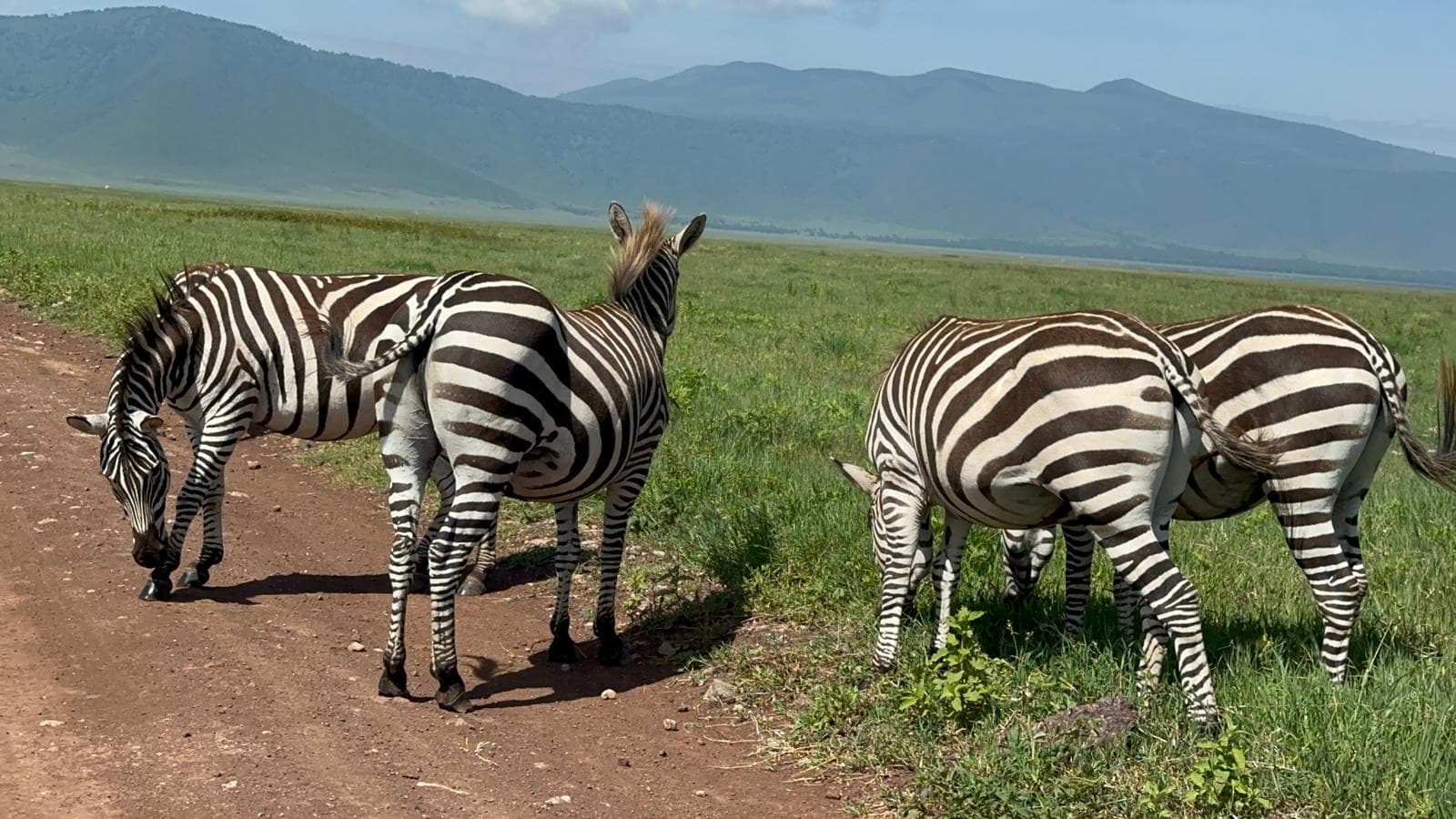
9 Days Gorilla tracking in Uganda, Tarangire, Ngorongoro, and Serengeti National Park in Tanzania
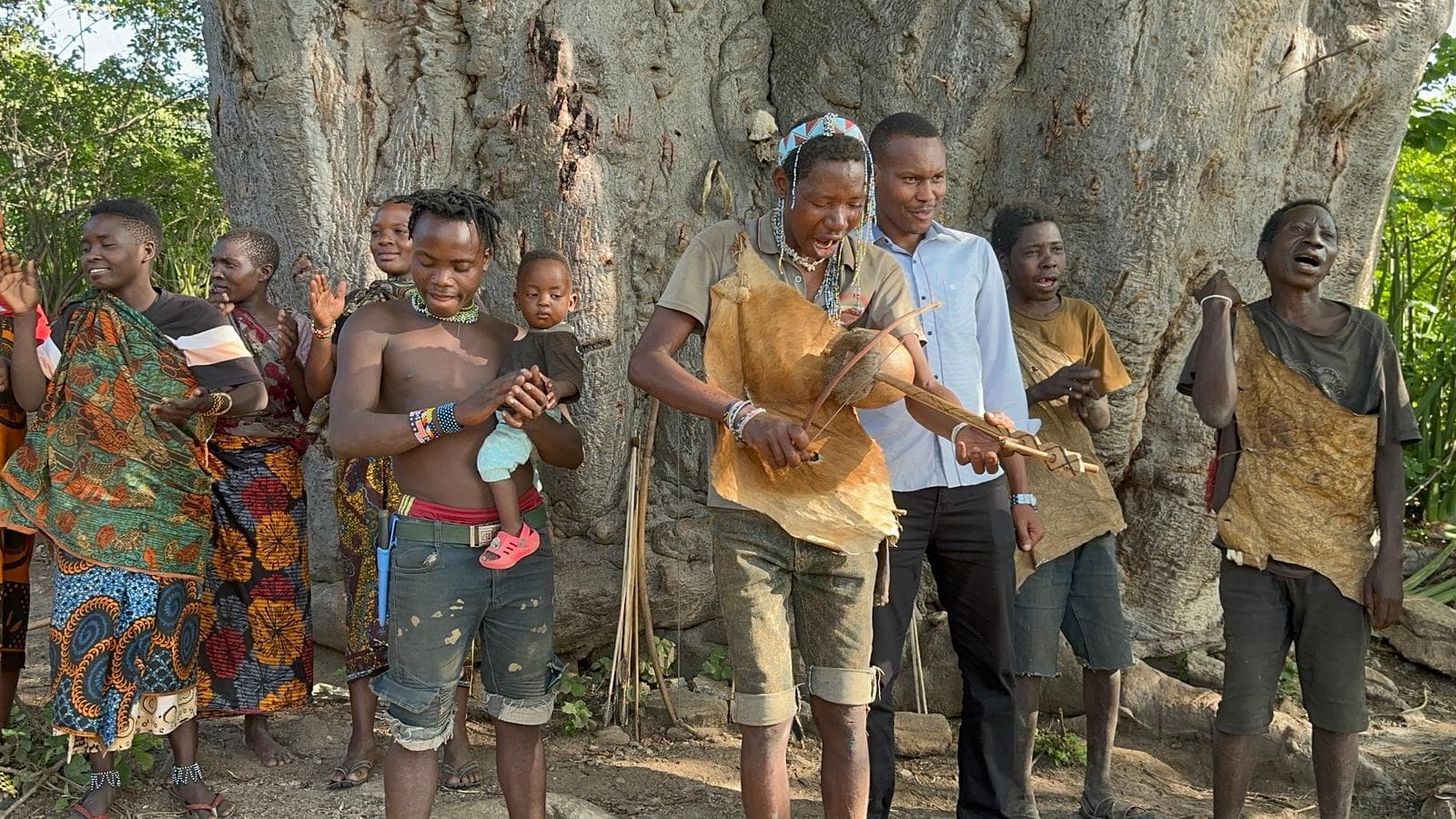
3 Days Hadzabe, Masai and Ngorongoro Crater Safari, Tanzania
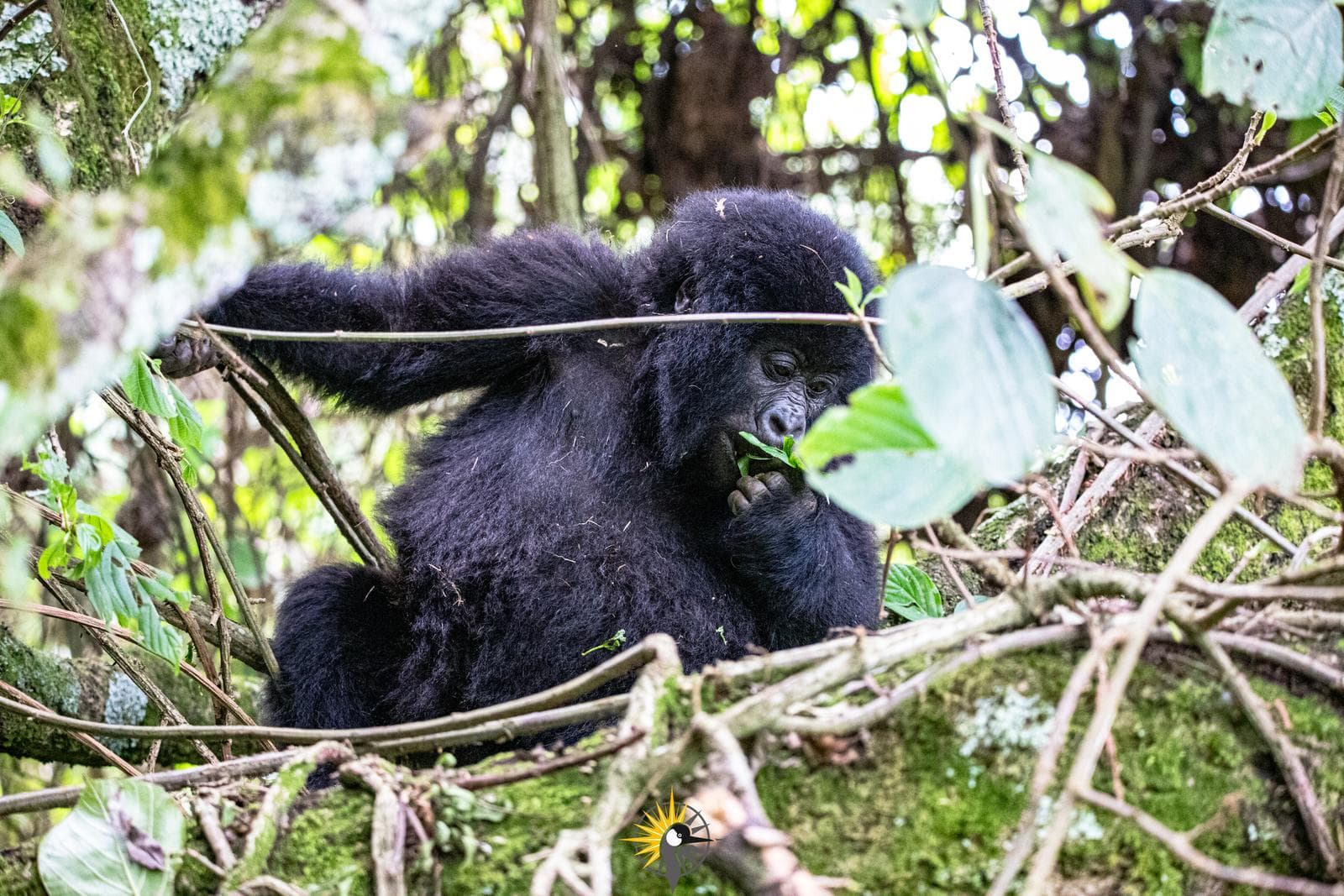
21 Days Epic East Africa safari, gorilla trekking in Bwindi, Big Five safaris and Zanzibar Beach escape
Related parks
Volcanoes national park
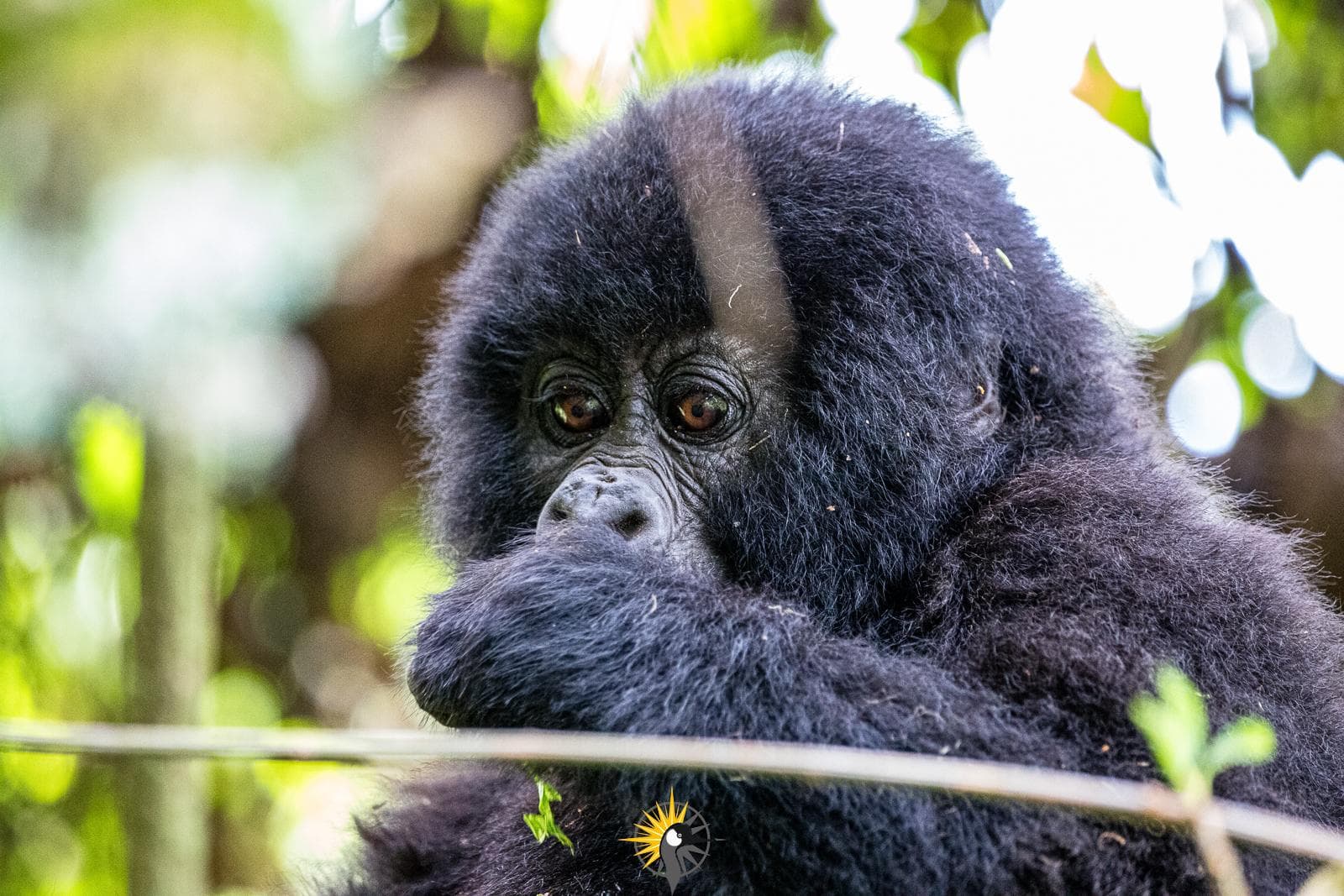
Discover Volcanoes National Park in Rwanda, home to mountain gorillas, golden monkeys, lush forests, and the majestic Virunga volcanoes.
View park
Kigali international Airport
Kigali International Airport is Rwanda’s main gateway, offering modern facilities, international flights, and seamless connections across Africa and beyond.
View park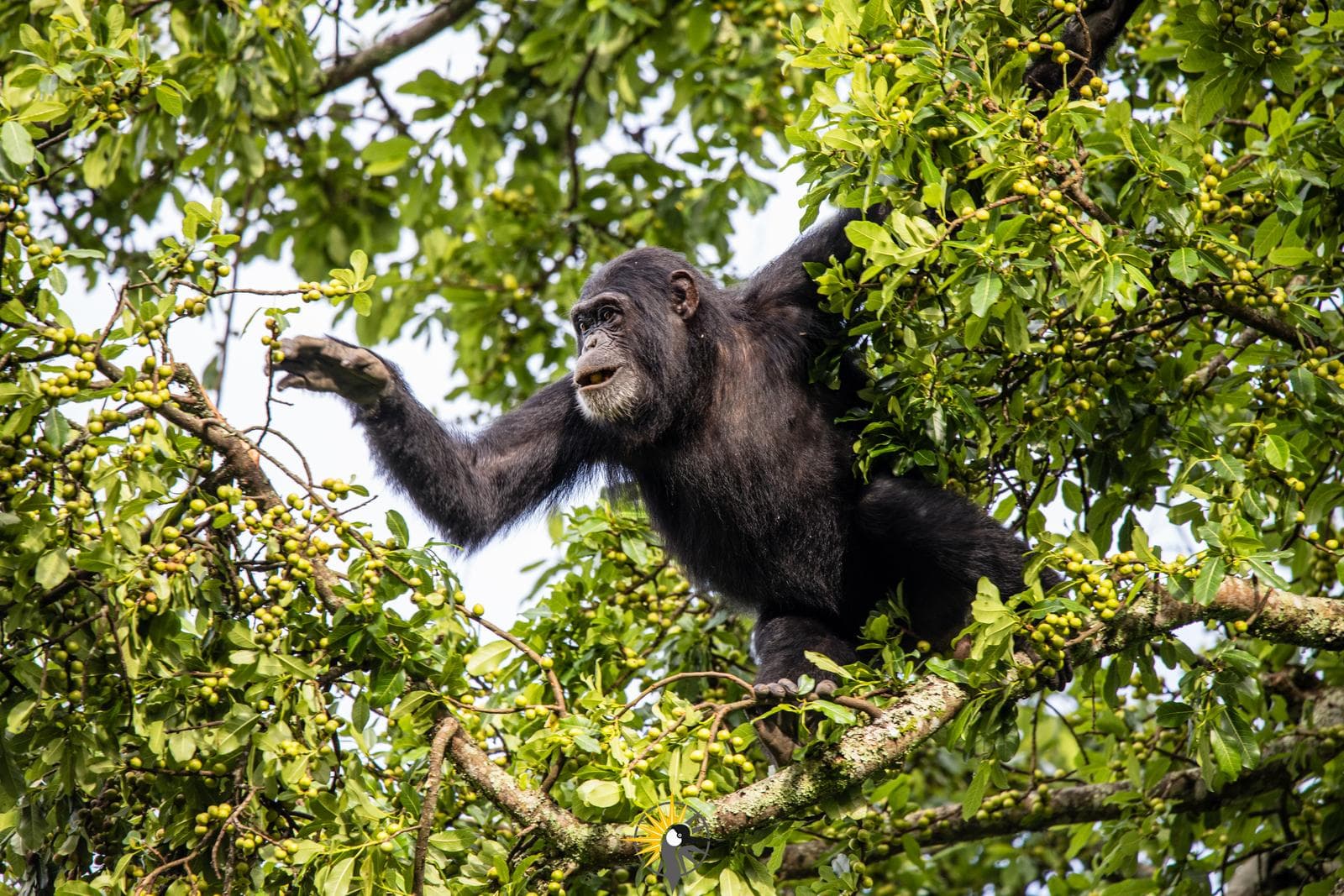
Nyungwe forest national park
Explore Nyungwe Forest National Park in Rwanda, home to chimpanzees, lush rainforest, canopy walks, waterfalls, and rich wildlife diversity.
View parkNews and Updates
Uganda, Rwanda Primate Trekking and African Safari Packing List
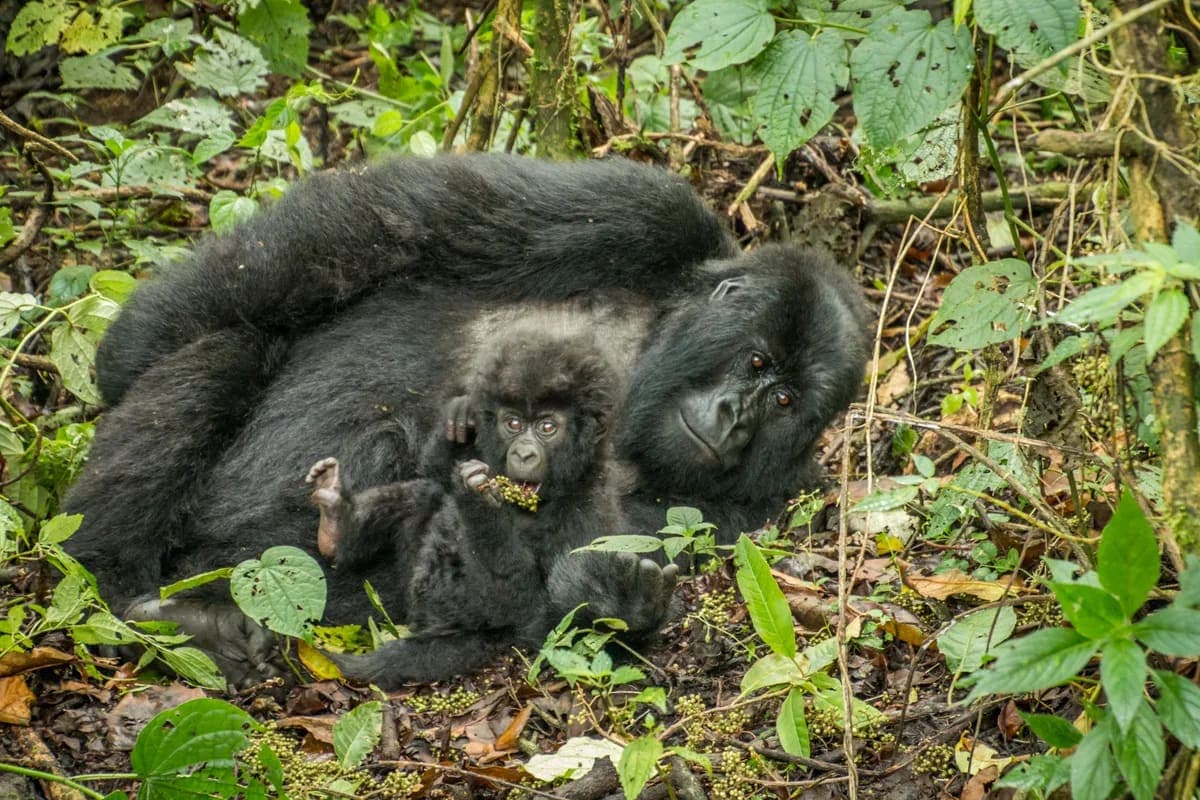
Plan your Uganda and Rwanda safari with a practical packing list for gorilla, chimpanzee and golden monkey trekking, game drives and changing weather.
Read more
Cash Payments and US Dollar Guidelines
Learn how to pay your safari balance in Uganda, Rwanda and Tanzania, including US dollar cash requirements, card payments, fees and local currencies.
Read more
Entebbe for the Seasoned Traveler: Where to Stay, Drink Coffee and Spend Your Time
Discover the best places to stay, drink Ugandan coffee and explore Entebbe, from Lake Victoria cruises and botanical gardens to shoebill tracking and conservation experiences. For many visitors, Entebbe is simply the place where their flight lands before they continue to Kampala, Bwindi, Murchison Falls, or another part of Uganda. Experienced travelers know better. Set along the northern shores of Lake Victoria, Entebbe offers something increasingly rare in modern travel: a gentle arrival. Its leafy streets, tropical gardens, lakeside restaurants, historic institutions, and unhurried atmosphere provide a welcome transition between an international flight and the intensity of an African safari. Entebbe does not demand that you rush from one attraction to another. It rewards travelers who stay for a night or two, recover from the journey, drink good Ugandan coffee, and explore at a considered pace.
Read more