The African Elephant
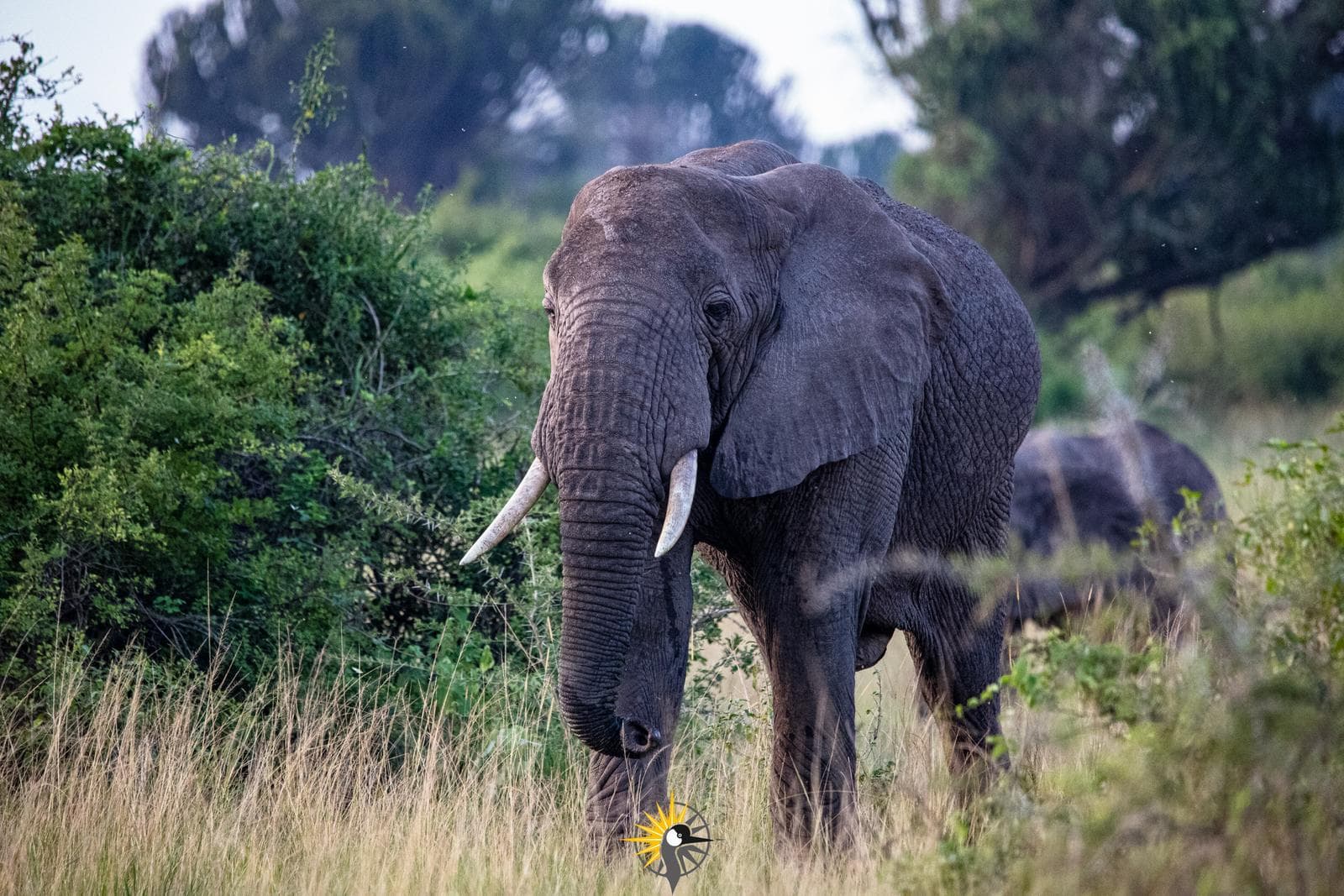
The African Elephant (Loxodonta africana) is the largest land animal on Earth and one of the most iconic species in East Africa. Known for its intelligence, complex social behavior, and immense size, the elephant is a cornerstone of the African safari experience. These gentle giants roam savannahs, forests, and wetlands across Uganda, Kenya, Tanzania, and Rwanda, playing a vital role in shaping ecosystems.
Physical Description
African elephants are unmistakable due to their massive bodies, long trunks, and large ears. Adult males, known as bulls, can weigh between 4,000 and 6,000 kilograms, while females are slightly smaller. They can stand up to 3–4 meters tall at the shoulder.
Their trunk is a highly versatile organ used for breathing, smelling, feeding, drinking, and communication. Elephants also have long ivory tusks, which are actually elongated incisor teeth used for digging, stripping bark, and defense. Their large ears help regulate body temperature by dissipating heat.
Habitat and Distribution
African elephants are highly adaptable and inhabit a wide range of environments, including savannahs, woodlands, forests, and wetlands, as long as food and water are available.
In Uganda, elephants are commonly found in Murchison Falls National Park, Queen Elizabeth National Park, and Kidepo Valley National Park.
In Kenya, they are widespread in Amboseli National Park, famous for large herds against the backdrop of Mount Kilimanjaro, as well as in Maasai Mara National Reserve, Tsavo East National Park, and Tsavo West National Park.
In Tanzania, elephants thrive in Serengeti National Park, Tarangire National Park, and the Ngorongoro Conservation Area. Tarangire is especially known for its large seasonal elephant herds.
In Rwanda, elephants can be seen in Akagera National Park, where conservation efforts have helped restore populations.
Behavior and Social Structure
African elephants are highly intelligent and social animals, living in family groups led by a matriarch, usually the oldest and most experienced female. These family units consist of related females and their young, while adult males typically live alone or form loose bachelor groups.
Elephants communicate using a range of vocalizations, body language, and low-frequency rumbles that can travel long distances. They are known for their strong emotional bonds, displaying behaviors such as cooperation, empathy, and even mourning.
They are also highly mobile, often traveling long distances in search of food and water, especially during the dry season.
Diet and Feeding Habits
Elephants are herbivores with an enormous appetite, consuming up to 150 kilograms of vegetation per day. Their diet includes:
- Grasses
- Leaves and branches
- Bark and roots
- Fruits
They use their trunks to gather food and their tusks to strip bark or dig for water and minerals. Because of their large food requirements, elephants significantly influence vegetation patterns in their habitats.
Reproduction
Elephants have one of the longest gestation periods of any land animal, lasting about 22 months. Females usually give birth to a single calf, which can weigh around 100 kilograms at birth.
Calves are highly dependent on their mothers and the herd for protection and learning. The strong social structure ensures that young elephants are cared for collectively, increasing their chances of survival.
Conservation Status
The African elephant is currently classified as Endangered, with populations declining due to:
- Poaching for ivory
- Habitat loss and fragmentation
- Human-elephant conflict
Conservation efforts across East Africa focus on anti-poaching measures, habitat protection, and community-based conservation programs. Protected areas like Murchison Falls, Amboseli, and Serengeti are crucial for sustaining elephant populations.
Ecological Role
Elephants are often referred to as “ecosystem engineers.” Their feeding habits shape landscapes by knocking down trees, clearing paths, and creating open grasslands. This behavior benefits many other species by maintaining habitat diversity.
They also play a key role in seed dispersal, helping regenerate forests and savannah ecosystems. Their impact on water access—such as digging waterholes—supports other wildlife during dry periods.
Observing African Elephants
Elephants are one of the most rewarding animals to observe on safari due to their size, behavior, and social interactions. Some of the best places to see them include:
- Murchison Falls National Park – large herds along the Nile
- Amboseli National Park – iconic views with Mount Kilimanjaro
- Tarangire National Park – dense elephant populations
- Serengeti National Park – widespread sightings across plains
Early morning and late afternoon are ideal times to observe elephants as they feed, move, and interact within their groups.
Conclusion
The African elephant is a symbol of Africa’s wild heritage, combining intelligence, strength, and ecological importance. From Uganda’s riverbanks to Kenya’s iconic landscapes and Tanzania’s vast plains, elephants offer unforgettable wildlife experiences. Protecting these magnificent animals is essential to preserving the balance and beauty of East Africa’s ecosystems.
Related Animals
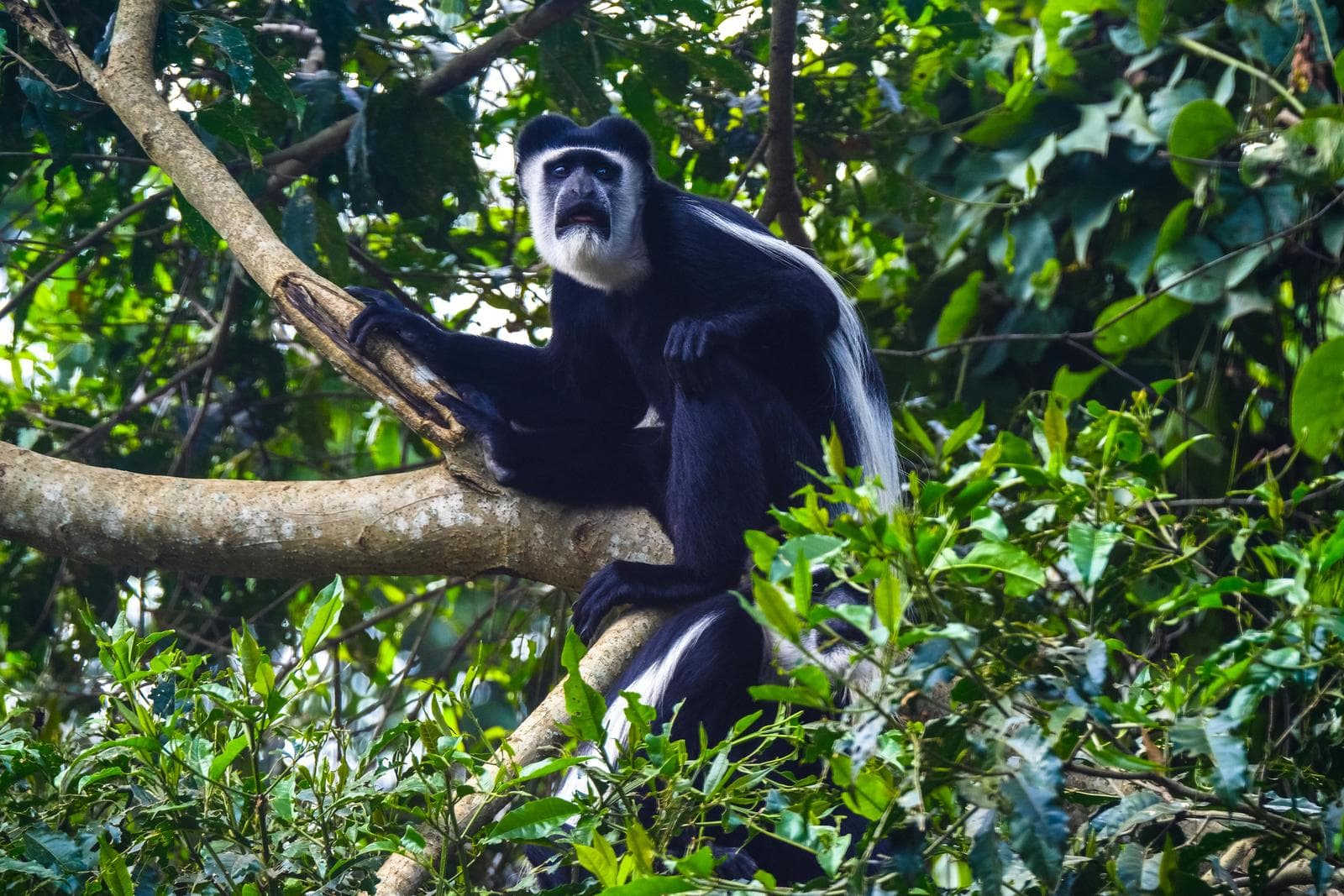
The black and white colobus monkey
Explore the black-and-white colobus monkey in East Africa, its forest habitats, unique behavior, and how responsible tourism supports conservation.
View animal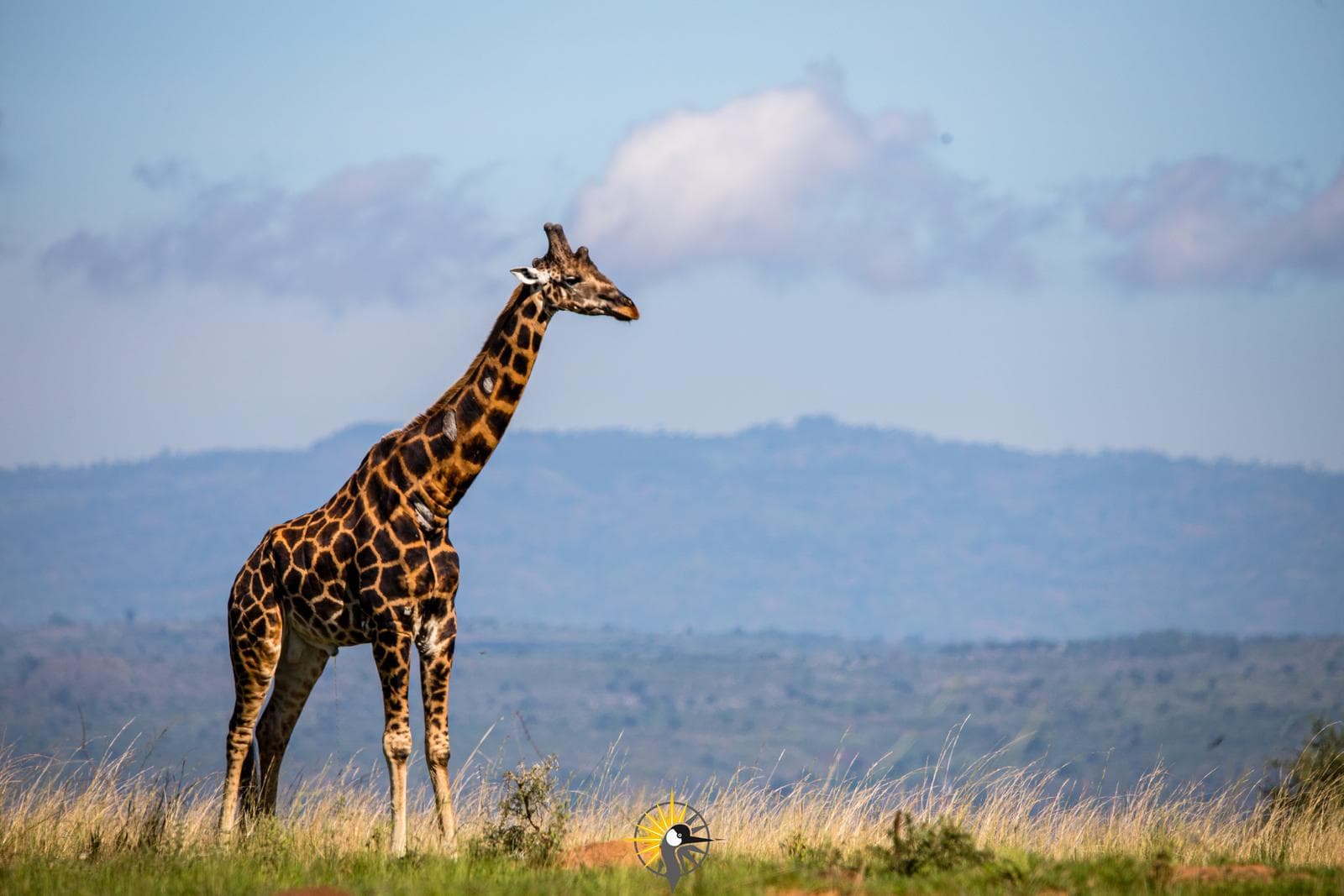
The African Giraffe
Discover giraffes in East Africa, from Rothschild’s giraffes in Uganda to Reticulated giraffes in Kenya, and explore top safari destinations.
View animal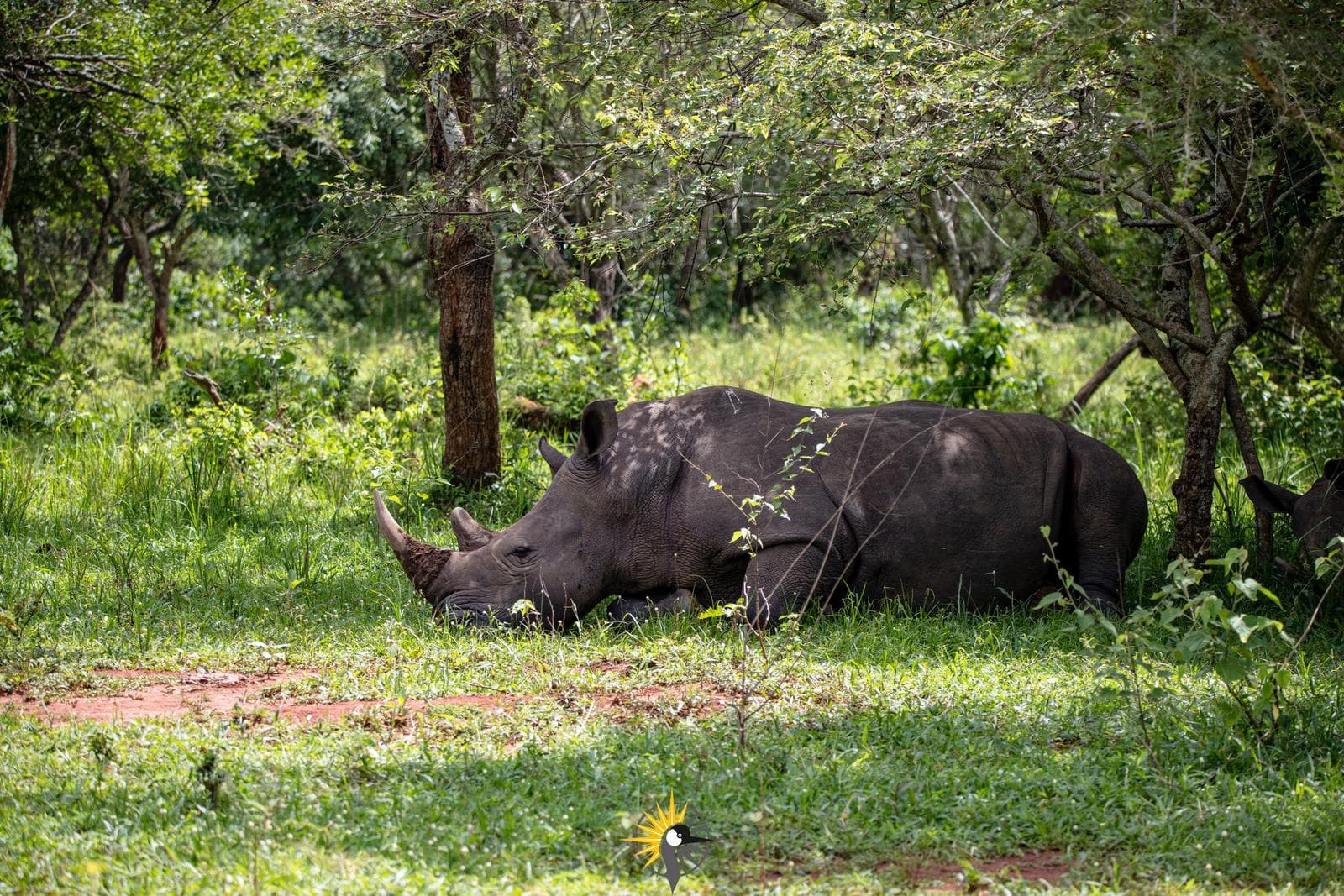
The Rhino
Discover rhinos in East Africa, from Kenya’s Ol Pejeta to Uganda’s Ziwa Sanctuary, and learn about species, habitats, and conservation.
View animalTop safaris
9 Days Gorilla tracking in Uganda, Tarangire, Ngorongoro, and Serengeti National Park in Tanzania
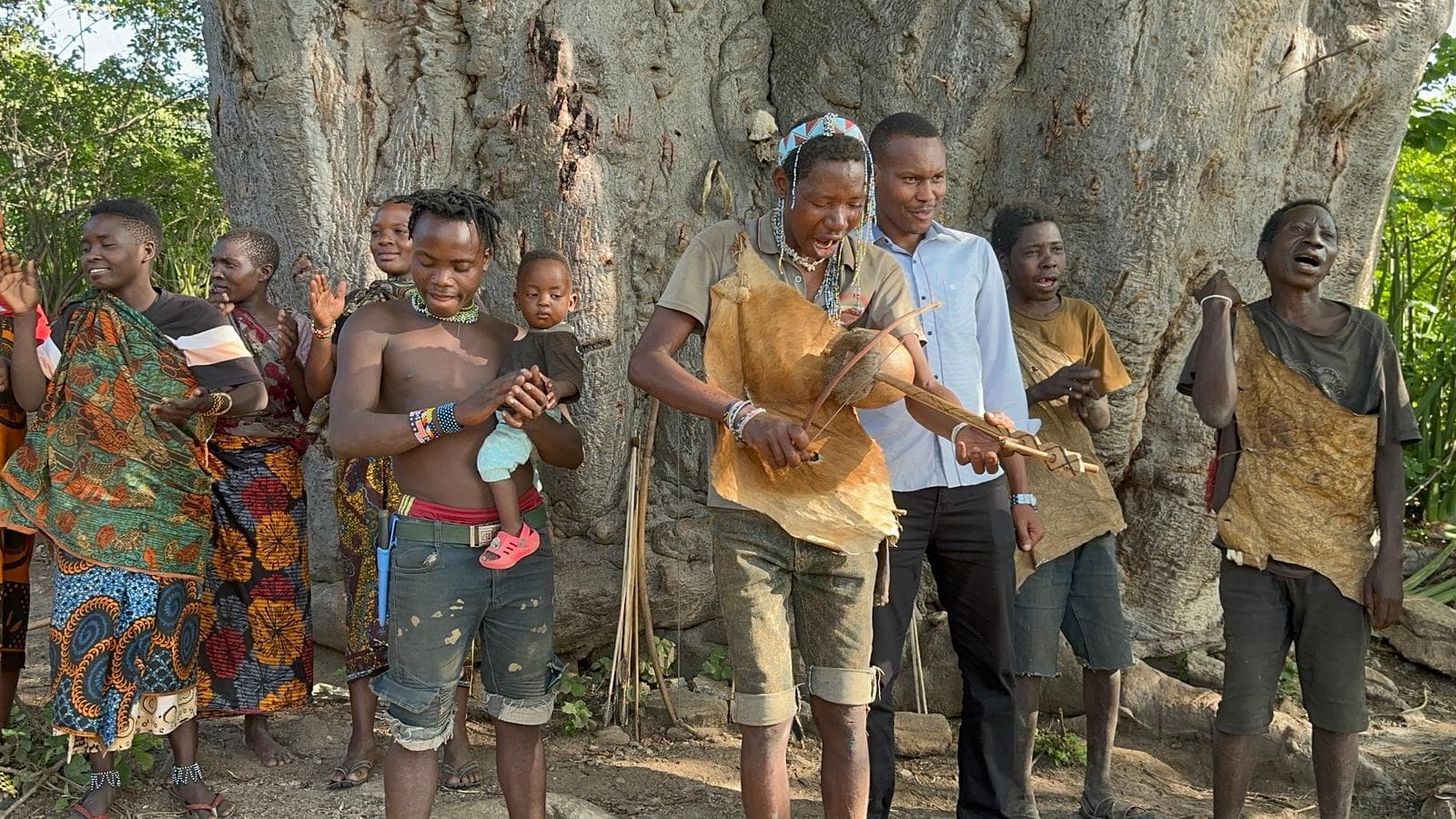
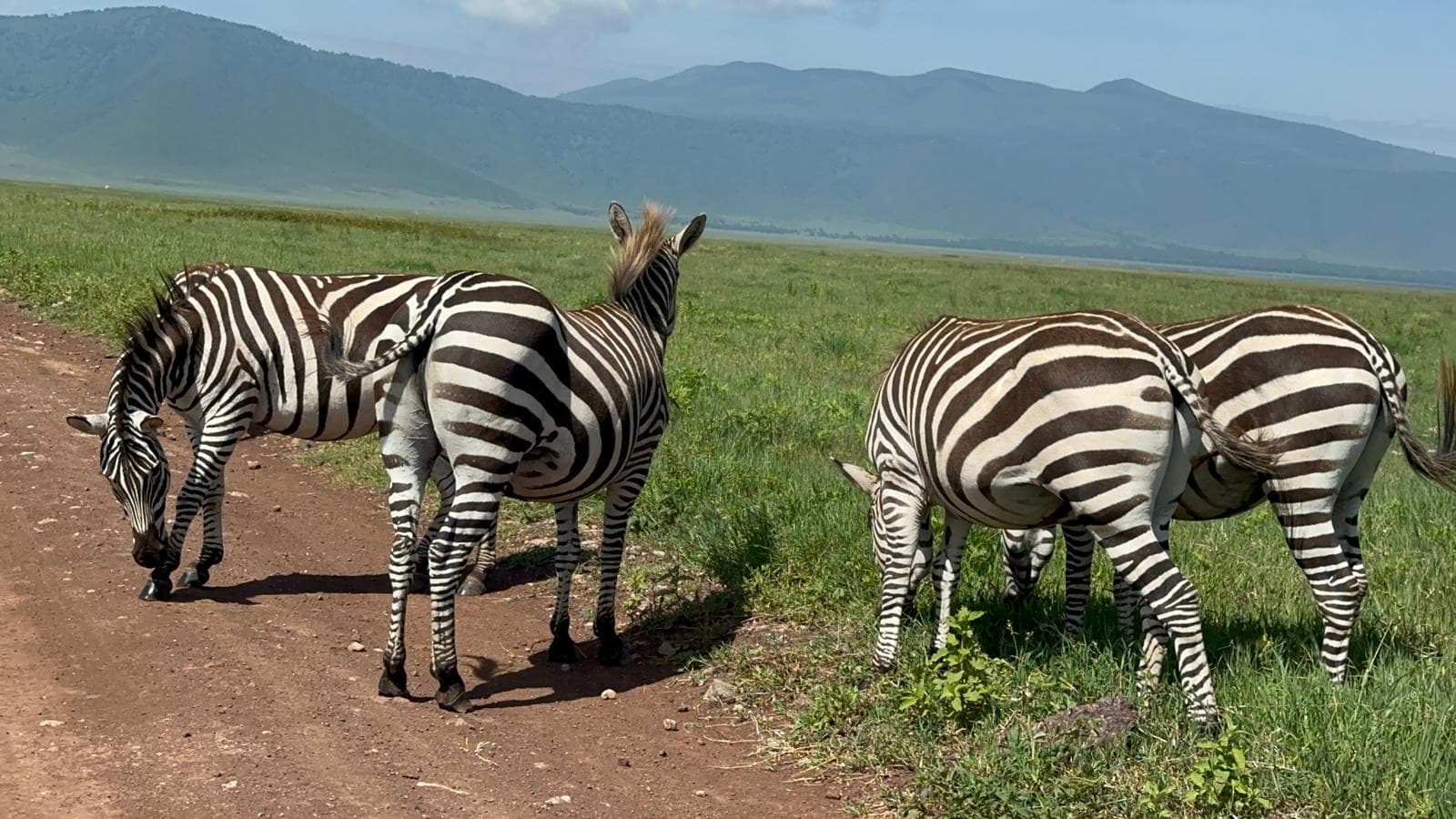
3 Days Hadzabe, Masai and Ngorongoro Crater Safari, Tanzania
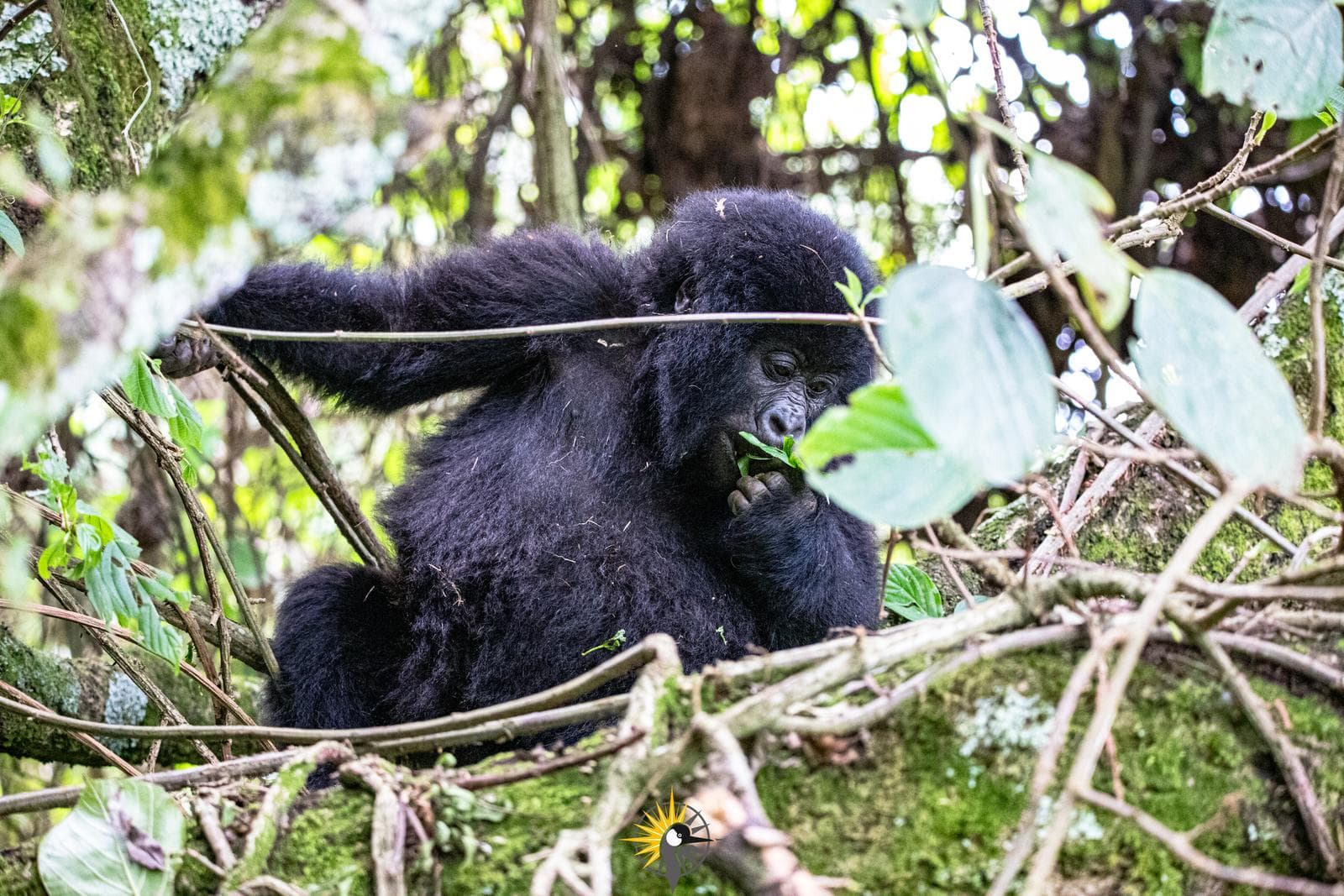
21 Days Epic East Africa safari, gorilla trekking in Bwindi, Big Five safaris and Zanzibar Beach escape
News and Updates
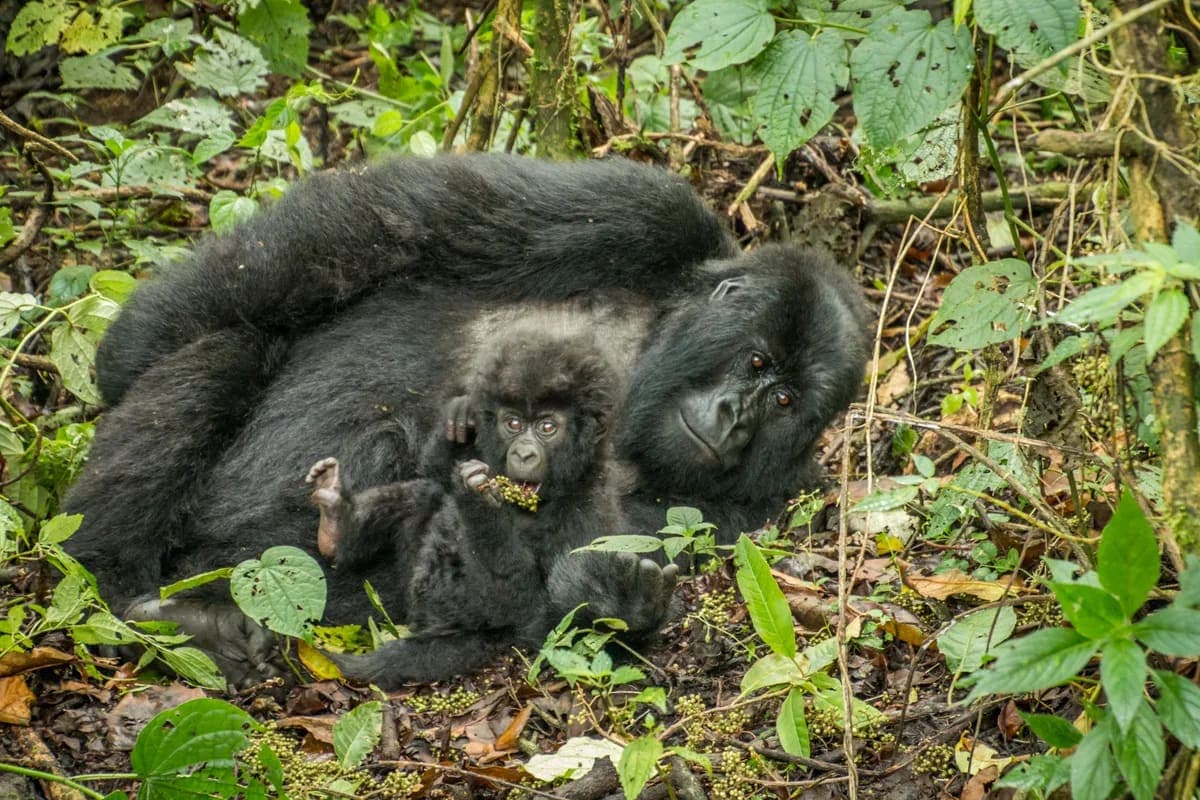
Uganda, Rwanda Primate Trekking and African Safari Packing List
Plan your Uganda and Rwanda safari with a practical packing list for gorilla, chimpanzee and golden monkey trekking, game drives and changing weather.
Read more
Cash Payments and US Dollar Guidelines
Learn how to pay your safari balance in Uganda, Rwanda and Tanzania, including US dollar cash requirements, card payments, fees and local currencies.
Read more
Entebbe for the Seasoned Traveler: Where to Stay, Drink Coffee and Spend Your Time
Discover the best places to stay, drink Ugandan coffee and explore Entebbe, from Lake Victoria cruises and botanical gardens to shoebill tracking and conservation experiences. For many visitors, Entebbe is simply the place where their flight lands before they continue to Kampala, Bwindi, Murchison Falls, or another part of Uganda. Experienced travelers know better. Set along the northern shores of Lake Victoria, Entebbe offers something increasingly rare in modern travel: a gentle arrival. Its leafy streets, tropical gardens, lakeside restaurants, historic institutions, and unhurried atmosphere provide a welcome transition between an international flight and the intensity of an African safari. Entebbe does not demand that you rush from one attraction to another. It rewards travelers who stay for a night or two, recover from the journey, drink good Ugandan coffee, and explore at a considered pace.
Read more