Tarangire national park
Located in northern Tanzania, Tarangire National Park is one of East Africa’s most rewarding yet often underrated safari destinations. Known for its elephant herds, iconic baobab trees, and diverse wildlife, Tarangire offers a quieter, more intimate safari experience than its famous neighbors like the Serengeti and Ngorongoro.
Covering approximately 2,850 square kilometers, the park is named after the Tarangire River, the lifeline that sustains wildlife throughout the year, especially during the dry season.
Landscape and Unique Features
Tarangire National Park is characterized by a stunning mix of savannah plains, acacia woodlands, riverine forests, and seasonal swamps. The landscape is dotted with ancient baobab trees—often referred to as the “Tree of Life”—which can live for thousands of years and provide water storage during dry periods.
The Tarangire River runs through the park and becomes a critical water source during the dry season, attracting large concentrations of wildlife. This seasonal migration creates one of the most spectacular wildlife gatherings in Tanzania.
Wildlife and Game Viewing
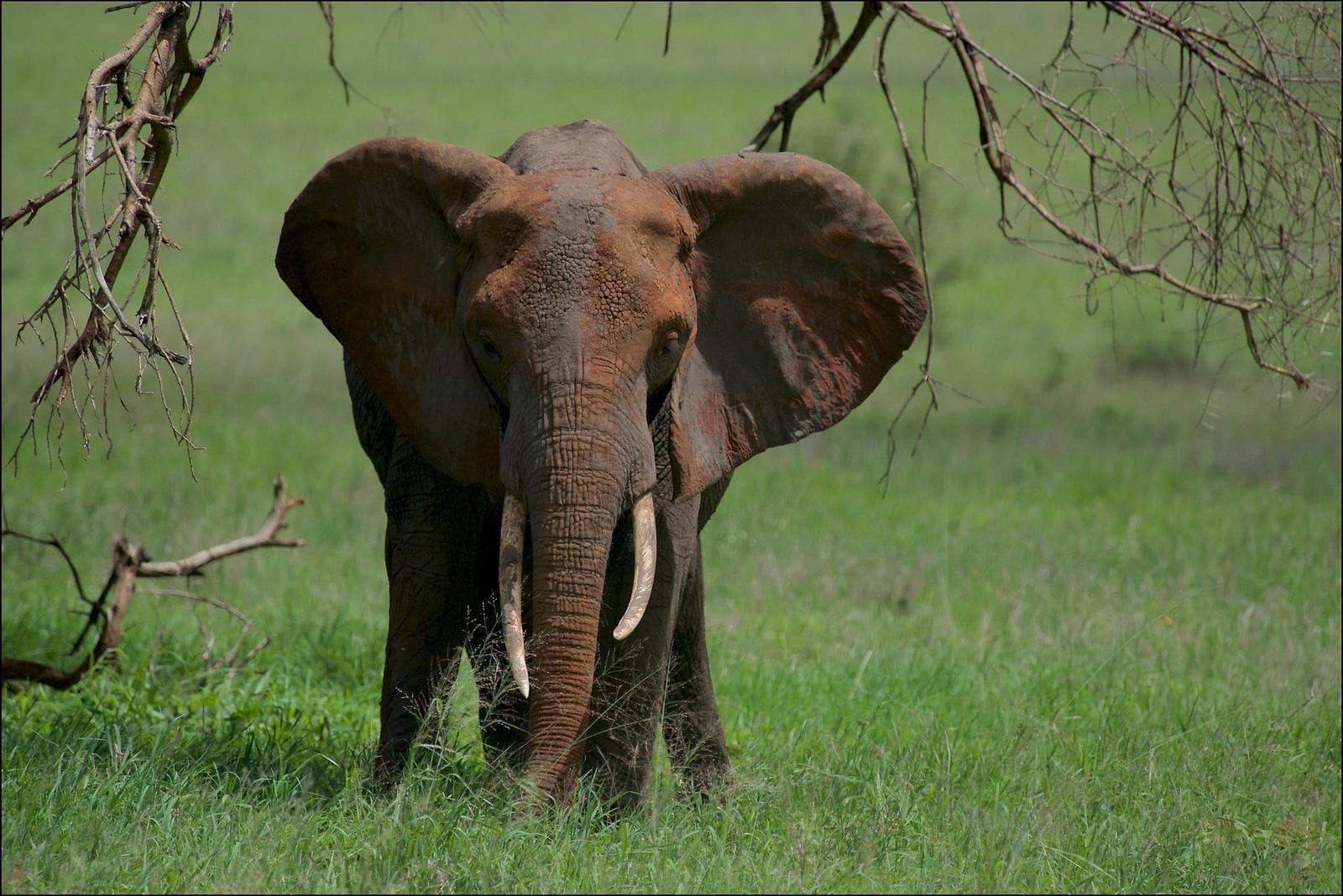
Tarangire is particularly famous for its large elephant populations, often seen in herds of up to 100 individuals. These elephants are among the most easily observed in East Africa, offering excellent opportunities for photography and close encounters.
In addition to elephants, the park is home to a wide variety of animals, including:
- Lions, leopards, and cheetahs
- African buffaloes and giraffes
- Zebras and wildebeest
- Antelope species such as eland, impala, and hartebeest
Tarangire is also one of the few places in Tanzania where visitors may spot rare species such as the fringe-eared oryx and the gerenuk, known for its ability to stand on its hind legs while feeding.
Birdlife in Tarangire
With over 500 bird species, Tarangire National Park is a paradise for birdwatchers. The park’s diverse habitats support a wide range of birds, from large ground species to colorful woodland and wetland birds.
Notable species include:
- Yellow-collared lovebird
- Kori bustard (one of the world’s heaviest flying birds)
- African fish eagle
- Lilac-breasted roller
Seasonal wetlands within the park attract migratory birds, making it an excellent destination for birdwatching throughout the year.
Seasonal Wildlife Migration
One of Tarangire’s most unique features is its seasonal migration. During the dry season (June to October), thousands of animals migrate into the park from surrounding areas in search of water.
This results in high wildlife density, making it one of the best times to visit. In contrast, during the wet season, animals disperse across the wider ecosystem, offering a more tranquil and scenic experience with lush green landscapes.
Activities in Tarangire National Park
Tarangire offers a variety of safari activities that allow visitors to fully experience its beauty:
Game drives are the most popular activity, providing opportunities to explore the park’s diverse landscapes and observe wildlife up close. Early-morning and late-afternoon drives are particularly rewarding.
Guided walking safaris offer a more intimate connection with nature, allowing visitors to learn about smaller species, plants, and animal tracks.
Birdwatching tours are ideal for enthusiasts looking to explore the park’s rich avian diversity.
Cultural visits to nearby Maasai communities provide insight into traditional lifestyles and customs, adding a cultural dimension to the safari experience.
Conservation and Importance
Tarangire National Park plays a crucial role in protecting wildlife corridors and supporting biodiversity in northern Tanzania. The park is part of a larger ecosystem that allows animals to migrate between protected areas and community lands.
Conservation efforts focus on reducing human-wildlife conflict, protecting habitats, and promoting sustainable tourism. The park’s success is a testament to Tanzania’s commitment to wildlife conservation.
Best Time to Visit
The best time to visit Tarangire depends on the type of experience you’re seeking.
The dry season (June to October) is ideal for wildlife viewing, as animals gather around the Tarangire River.
The wet season (November to May) offers lush scenery, fewer tourists, and excellent birdwatching opportunities, though wildlife may be more dispersed.
Accessibility
Tarangire National Park is easily accessible from Arusha, about a 2–3-hour drive away. It is often included in the Northern Circuit safari, which also features Serengeti National Park and Ngorongoro Crater.
Visitors can reach Arusha via Kilimanjaro International Airport, making it a convenient starting point for safari itineraries.
Conclusion
Tarangire National Park is a true hidden gem, offering a rich and authentic safari experience. With its impressive elephant herds, iconic baobab landscapes, and diverse wildlife, it provides a quieter yet equally rewarding alternative to other parks in Tanzania.
Whether you’re seeking dramatic wildlife encounters, scenic beauty, or a peaceful escape into nature, Tarangire delivers an unforgettable journey into the heart of Africa’s wilderness.
0 Frequently Asked Questions
Have any inquiries?
Related safaris
9 Days Gorilla tracking in Uganda, Tarangire, Ngorongoro, and Serengeti National Park in Tanzania
3 Days Hadzabe, Masai and Ngorongoro Crater Safari, Tanzania
21 Days Epic East Africa safari, gorilla trekking in Bwindi, Big Five safaris and Zanzibar Beach escape
Related parks
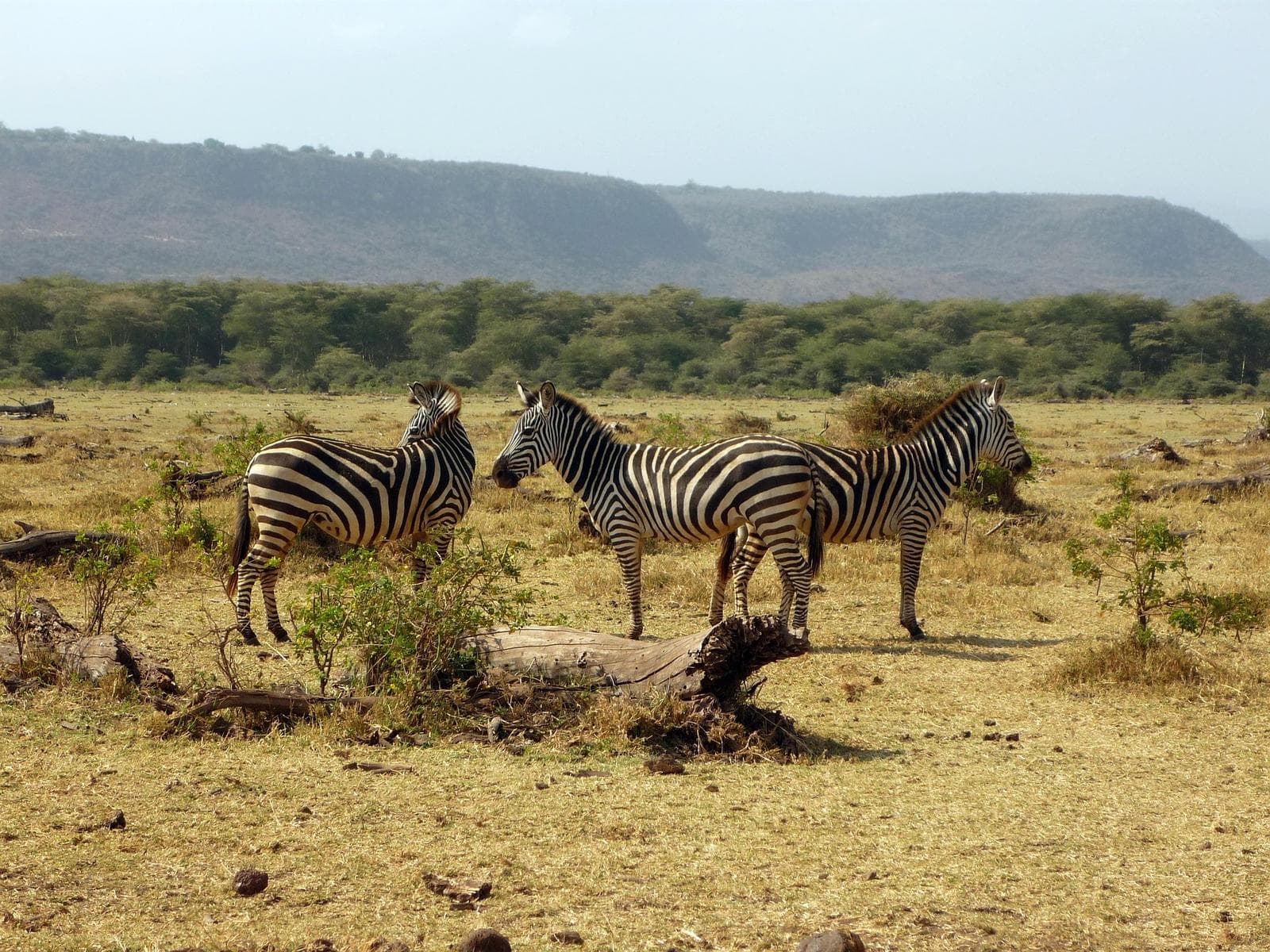
Lake Manyara National Park
Explore Lake Manyara National Park: tree-climbing lions, birdwatching, night safaris, and hot springs for an unforgettable Tanzania adventure.
View park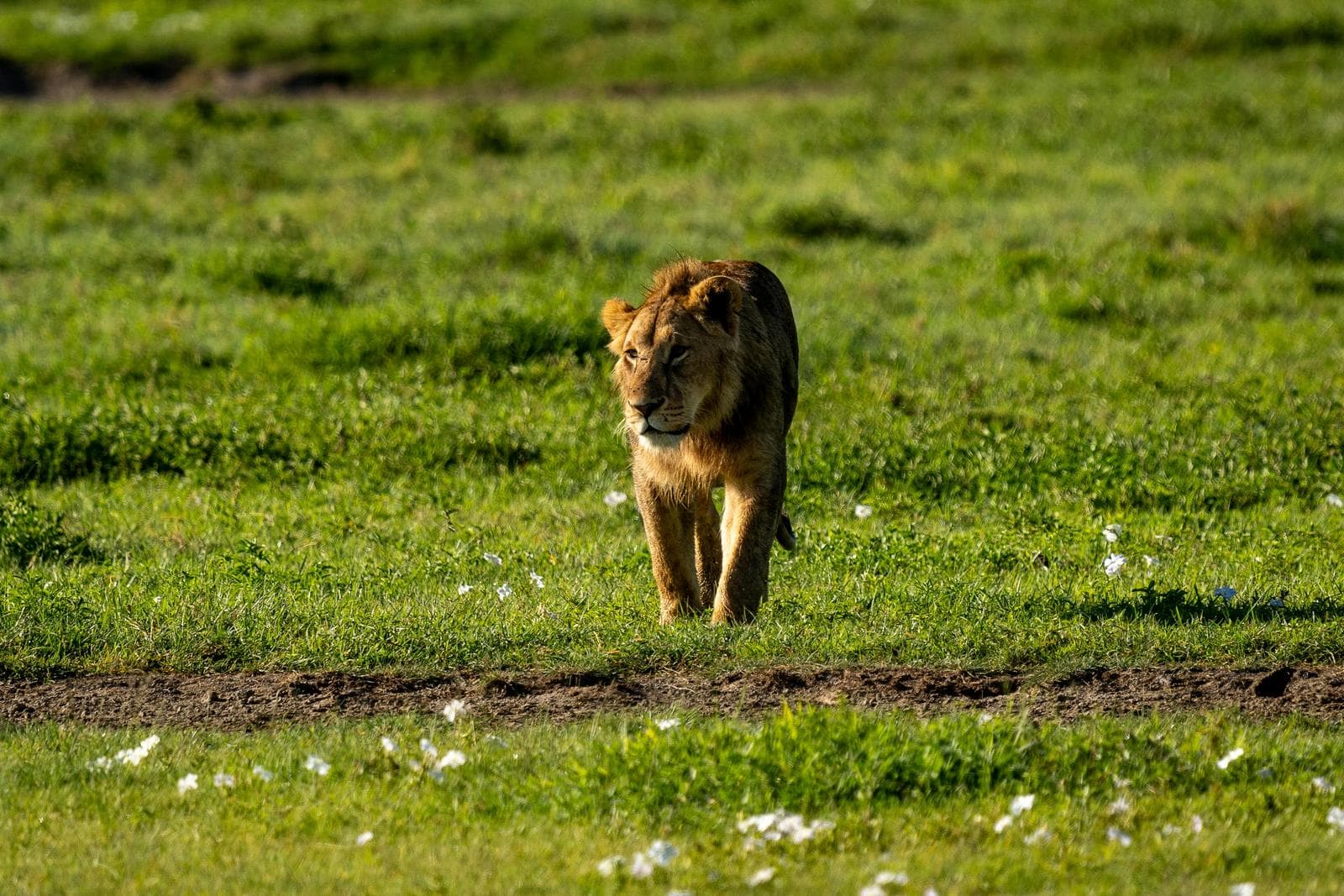
Arusha
Explore Arusha, Tanzania’s gateway to adventure. Discover wildlife safaris, Mount Meru treks, cultural markets, and local cuisine in this complete Arusha travel guide.
View park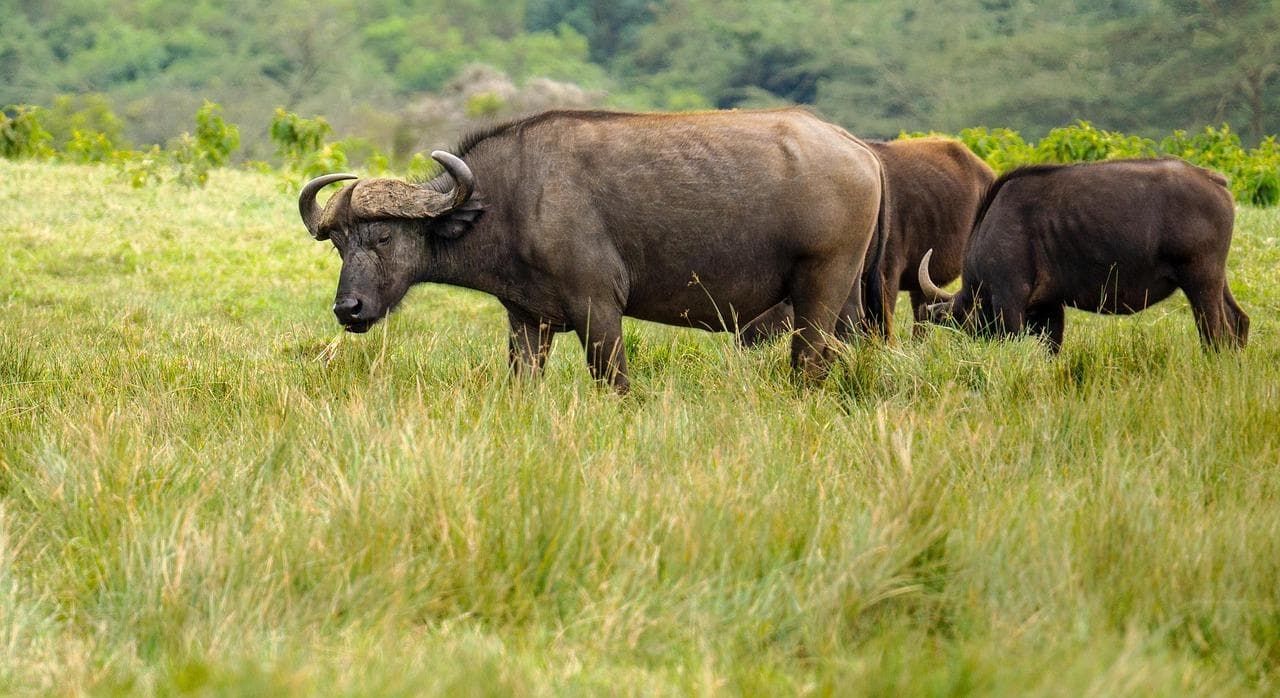
Arusha national park
Explore Arusha National Park with Mount Meru, Momella Lakes, walking safaris, canoe trips, and diverse wildlife in Tanzania’s most scenic park.
View parkNews and Updates
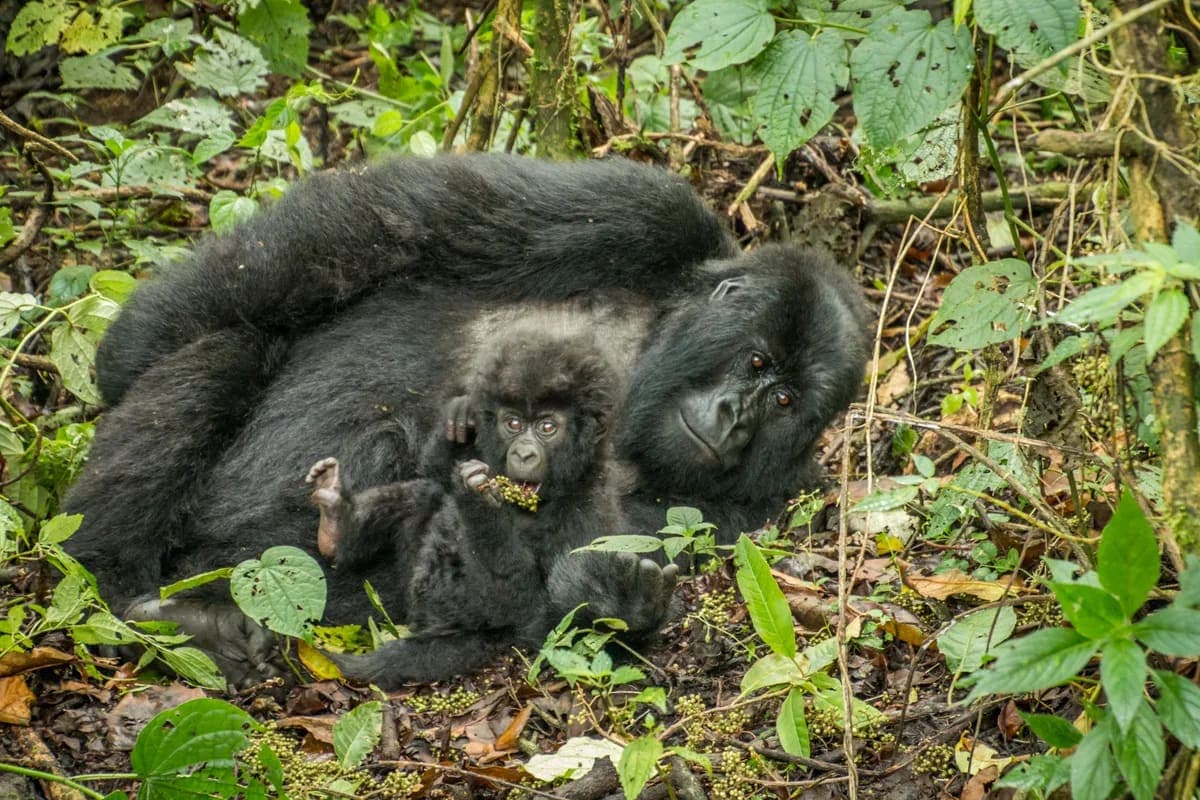
Uganda, Rwanda Primate Trekking and African Safari Packing List
Plan your Uganda and Rwanda safari with a practical packing list for gorilla, chimpanzee and golden monkey trekking, game drives and changing weather.
Read more
Cash Payments and US Dollar Guidelines
Learn how to pay your safari balance in Uganda, Rwanda and Tanzania, including US dollar cash requirements, card payments, fees and local currencies.
Read more
Entebbe for the Seasoned Traveler: Where to Stay, Drink Coffee and Spend Your Time
Discover the best places to stay, drink Ugandan coffee and explore Entebbe, from Lake Victoria cruises and botanical gardens to shoebill tracking and conservation experiences. For many visitors, Entebbe is simply the place where their flight lands before they continue to Kampala, Bwindi, Murchison Falls, or another part of Uganda. Experienced travelers know better. Set along the northern shores of Lake Victoria, Entebbe offers something increasingly rare in modern travel: a gentle arrival. Its leafy streets, tropical gardens, lakeside restaurants, historic institutions, and unhurried atmosphere provide a welcome transition between an international flight and the intensity of an African safari. Entebbe does not demand that you rush from one attraction to another. It rewards travelers who stay for a night or two, recover from the journey, drink good Ugandan coffee, and explore at a considered pace.
Read more