Ngorongoro Conservation Area
Nestled in the heart of northern Tanzania, the Ngorongoro Conservation Area is a breathtaking haven for wildlife enthusiasts and adventure seekers alike. A UNESCO World Heritage Site, this unique conservation area combines unparalleled natural beauty, rich Maasai culture, and one of the most spectacular wildlife experiences on Earth. Whether you’re seeking a thrilling safari or a serene escape in nature, Ngorongoro offers an unforgettable journey.
Why Visit Ngorongoro Conservation Area?
- Unique Ecosystem: From the crater floor to the highlands, the area hosts diverse landscapes that support a rich variety of wildlife.
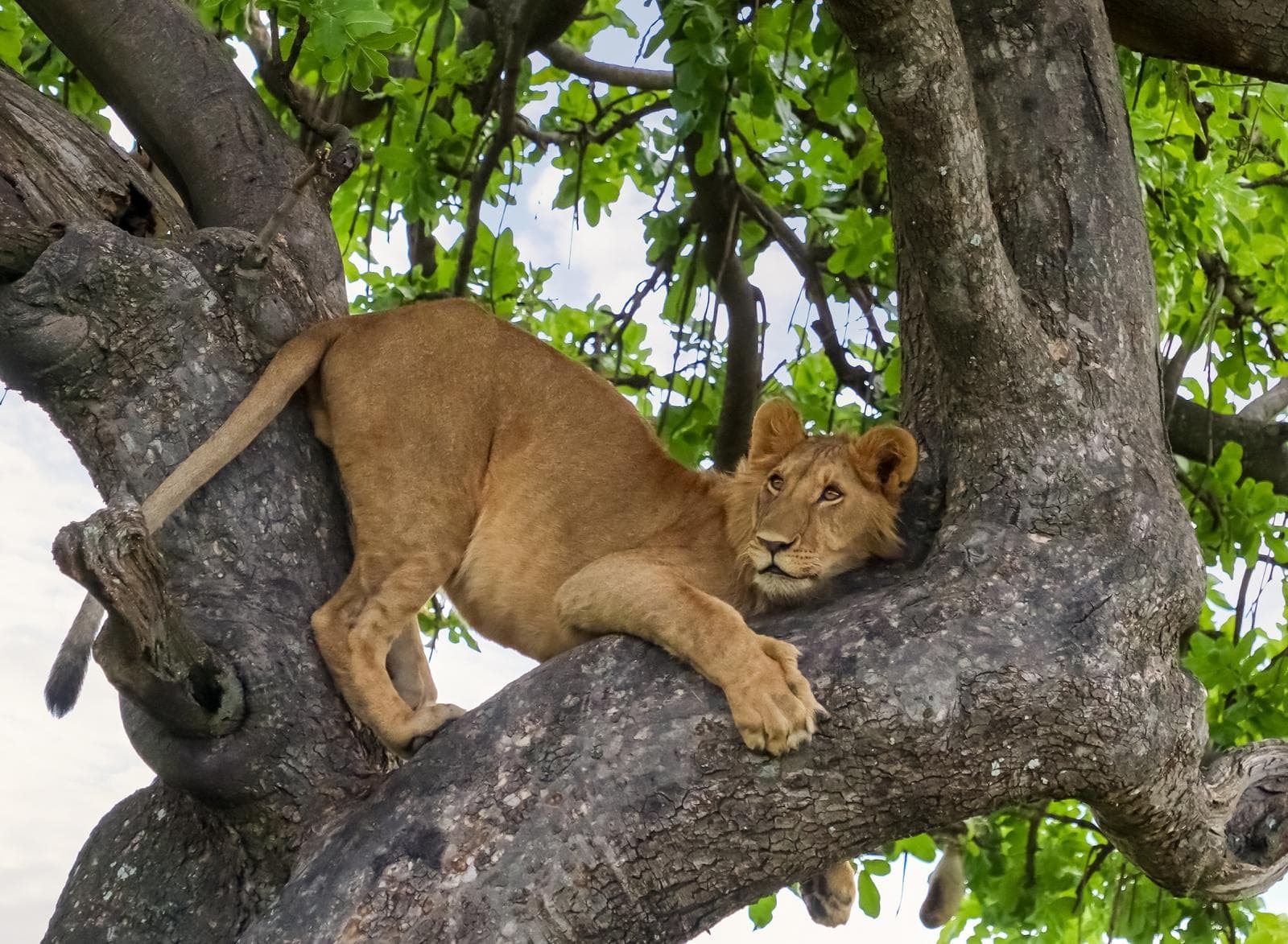
- Wildlife Galore: Expect to see elephants, lions, buffaloes, rhinos, zebras, and hundreds of bird species, all thriving within the crater and surrounding plains.
- Cultural Experiences: Meet the Maasai people and learn about their traditions, community-based conservation, and daily life in a traditional boma.
- Archaeological Significance: Explore Ol Duvai Gorge, known as “The Cradle of Mankind,” where some of the oldest human fossils have been discovered.
Top Activities in Ngorongoro Conservation Area
1. Ngorongoro Crater Safari
Descending into the Ngorongoro Crater is an unforgettable adventure. As you drive along the crater floor, you’ll encounter grazing herbivores, prowling predators, and scenic waterholes. The crater provides a unique ecosystem where wildlife thrives in high density, offering unparalleled game viewing opportunities.
Wildlife you can expect to see in Ngorongoro Crater:
- Lions and leopards
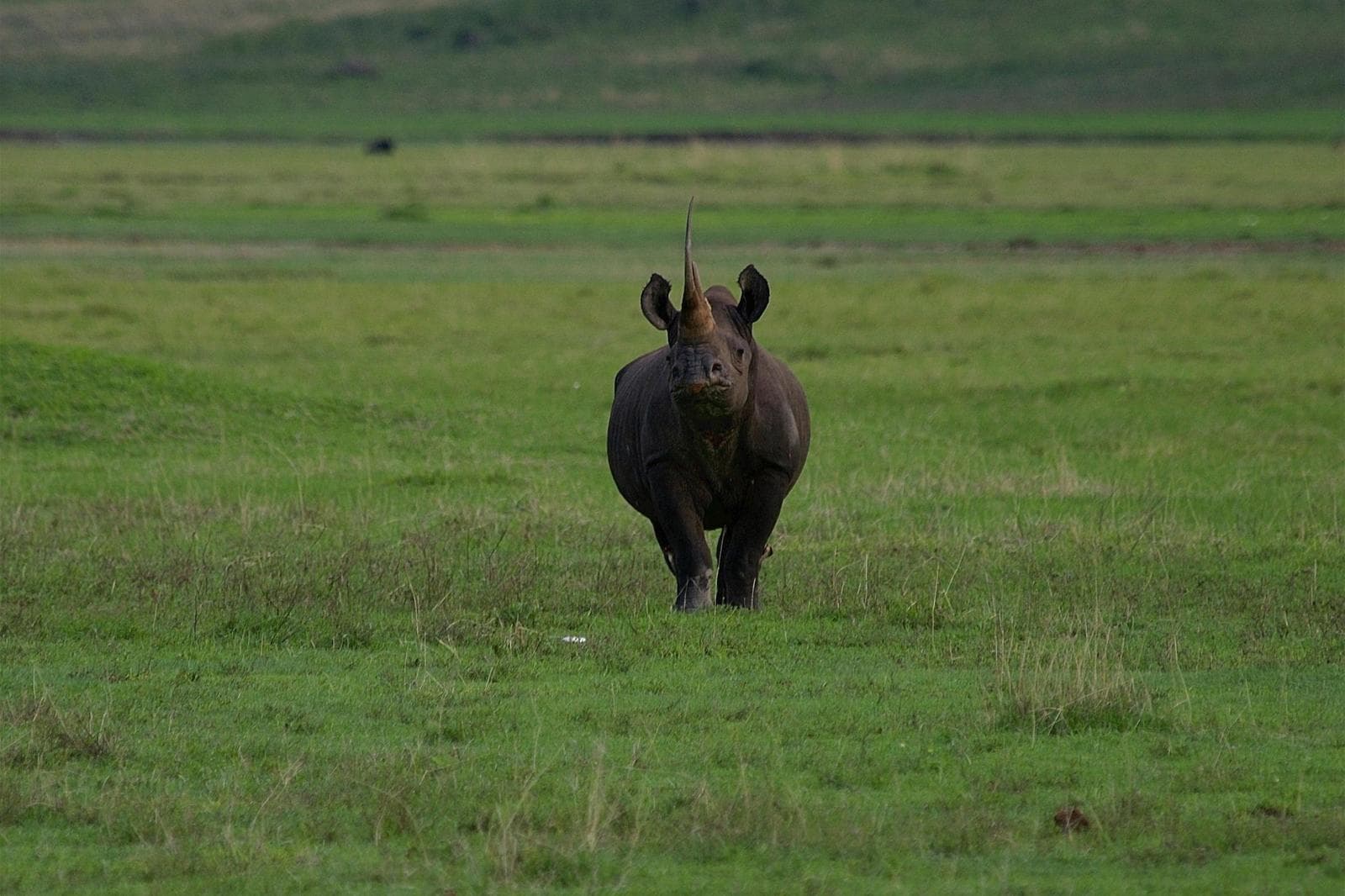
- Elephants and black rhinos
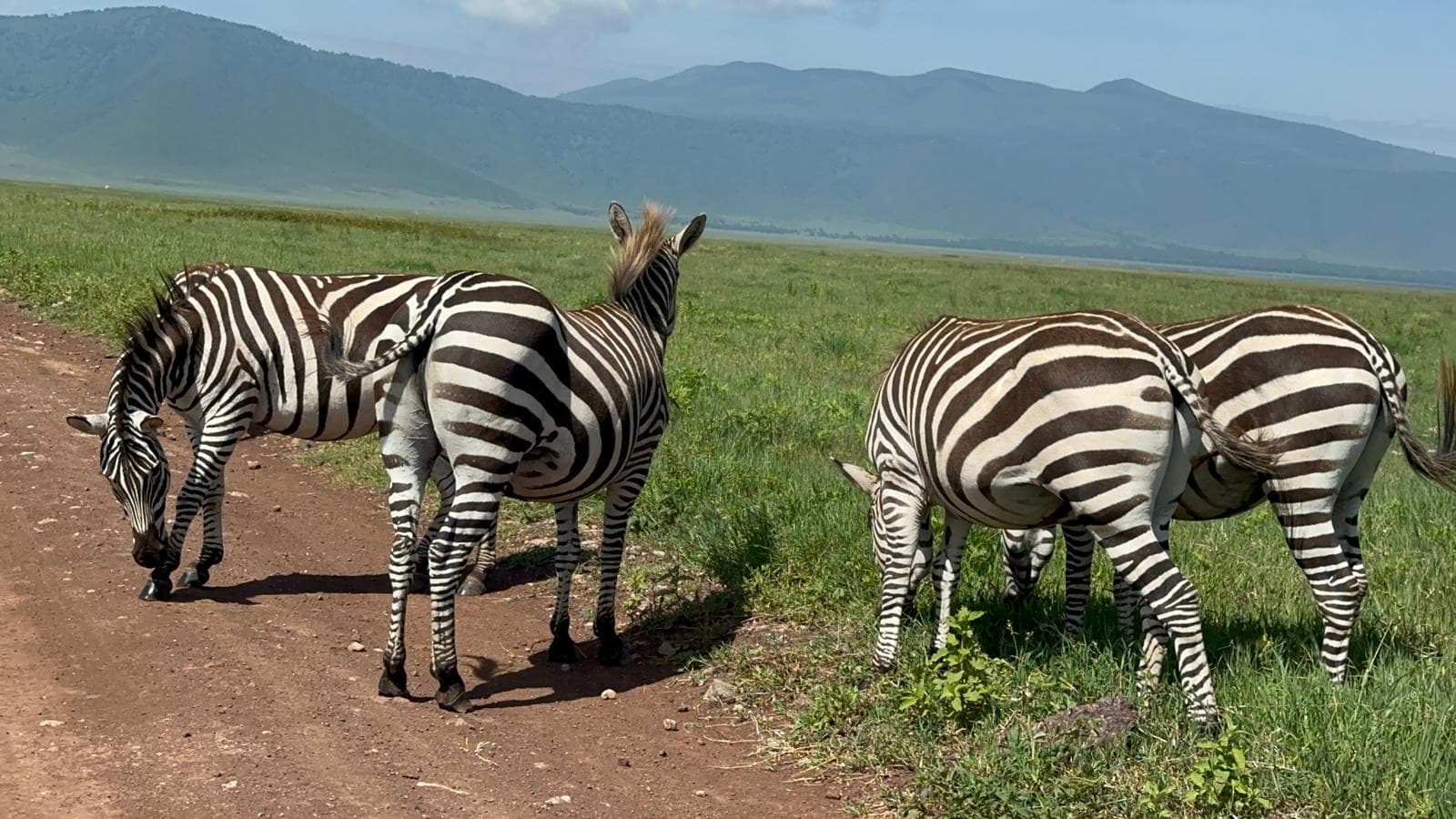
- Buffaloes, zebras, and wildebeests
- Flamingos and hundreds of bird species
2. Cultural Tourism with the Maasai
Experience authentic Maasai culture in their traditional villages. Learn about their customs, clothing, and community-based conservation initiatives that protect the local wildlife. Visitors often have the opportunity to participate in traditional dances, taste local food, and gain insights into Maasai daily life.
3. Ol Duvai Gorge
Known as “The Cradle of Mankind,” Ol Duvai Gorge is an archaeological hotspot where some of the world’s oldest hominid fossils were discovered. Walking through this historical site gives visitors a fascinating glimpse into early human history and evolution.
4. Lakes Ndutu and Masek
Created by ancient volcanic activity, Lake Ndutu and Lake Masek are vital water sources during the dry season. These lakes attract large numbers of wildlife and spectacular flocks of flamingos, offering excellent photography and birdwatching opportunities.
Best Time to Visit Ngorongoro
- Dry Season (June–October): Ideal for wildlife spotting as animals congregate around water sources.
- Wet Season (November–May): Lush scenery, fewer tourists, and excellent birdwatching.
- Migration Periods: The crater is a perfect complement to the Serengeti Migration, allowing visitors to see predators and prey interactions up close.
Accommodation Options in and Around Ngorongoro
Ngorongoro offers a range of accommodations, from luxury lodges to budget-friendly campsites:
- Luxury Lodges: Panoramic crater views, world-class amenities, and guided safaris.
- Eco-Lodges: Sustainable options with close proximity to wildlife.
- Tented Camps: Perfect for immersive safari experiences on a budget.
Musana Tours and Travel can arrange the best lodges, guided tours, and transport, ensuring a seamless and unforgettable adventure.
Why Choose Musana Tours and Travel for Ngorongoro?
- Personalized safari itineraries tailored to your interests
- Expert local guides with in-depth knowledge of wildlife and culture
- Hassle-free planning for safaris, accommodations, and transportation
- Focus on sustainable and responsible tourism practices
- Unique experiences combining wildlife, history, and Maasai culture
Plan Your Ngorongoro Adventure Today
The Ngorongoro Conservation Area is more than a safari destination—it’s a journey through nature, culture, and history. From wildlife-rich crater floors and ancient volcanic landscapes to Maasai villages and archaeological wonders, every moment is an adventure.
Contact Musana Tours and Travel today to plan your tailor-made Ngorongoro safari and experience one of Tanzania’s most extraordinary destinations.
0 Frequently Asked Questions
Have any inquiries?
Related safaris
9 Days Gorilla tracking in Uganda, Tarangire, Ngorongoro, and Serengeti National Park in Tanzania
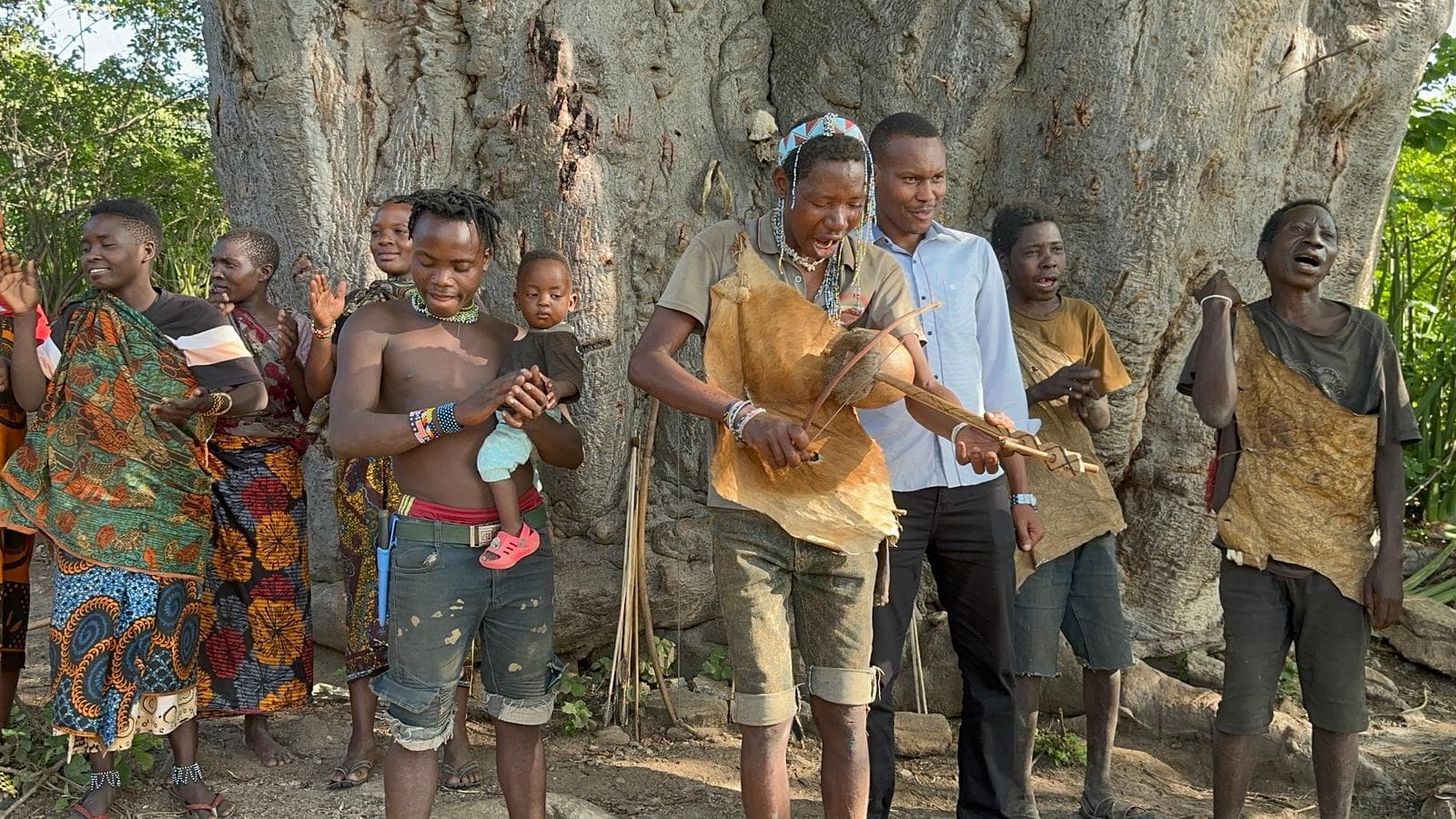
3 Days Hadzabe, Masai and Ngorongoro Crater Safari, Tanzania
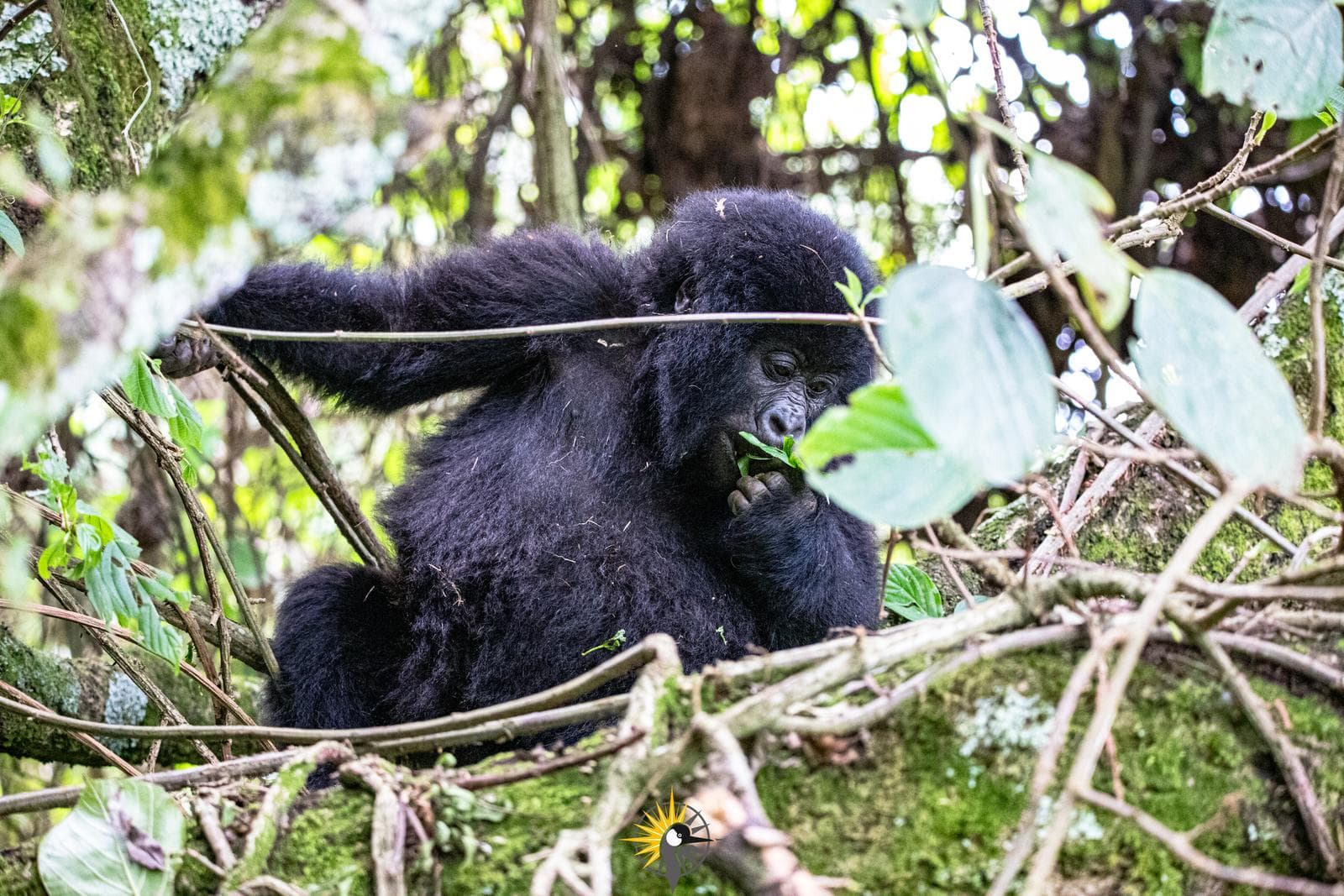
21 Days Epic East Africa safari, gorilla trekking in Bwindi, Big Five safaris and Zanzibar Beach escape
Related parks
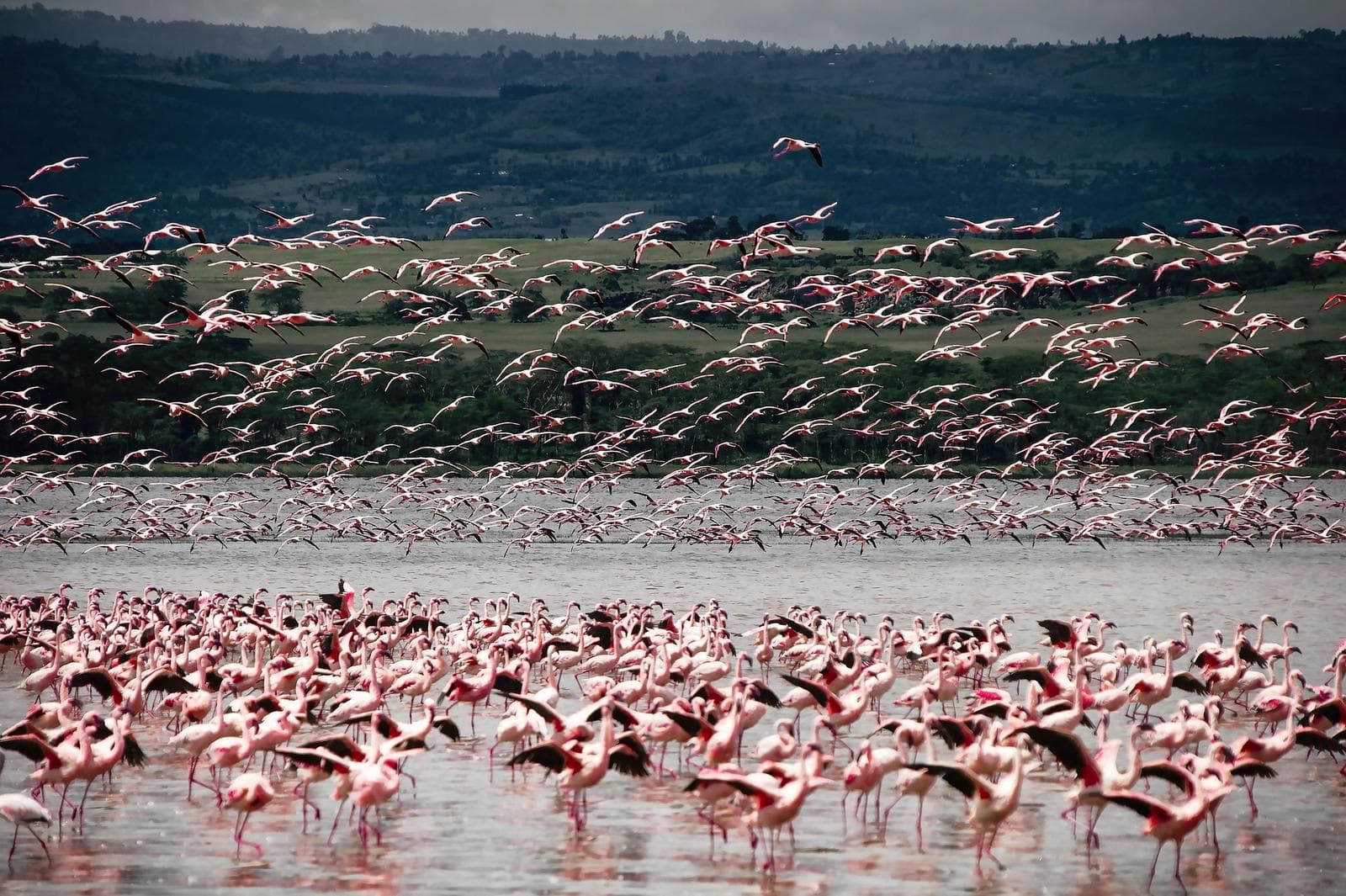
Lake Eyasi and Natron
Explore Lake Natron & Lake Eyasi: flamingos, Mount Ol Doinyo Lengai, Engero Sero Waterfalls, and Hadzabe cultural experiences in Tanzania.
View park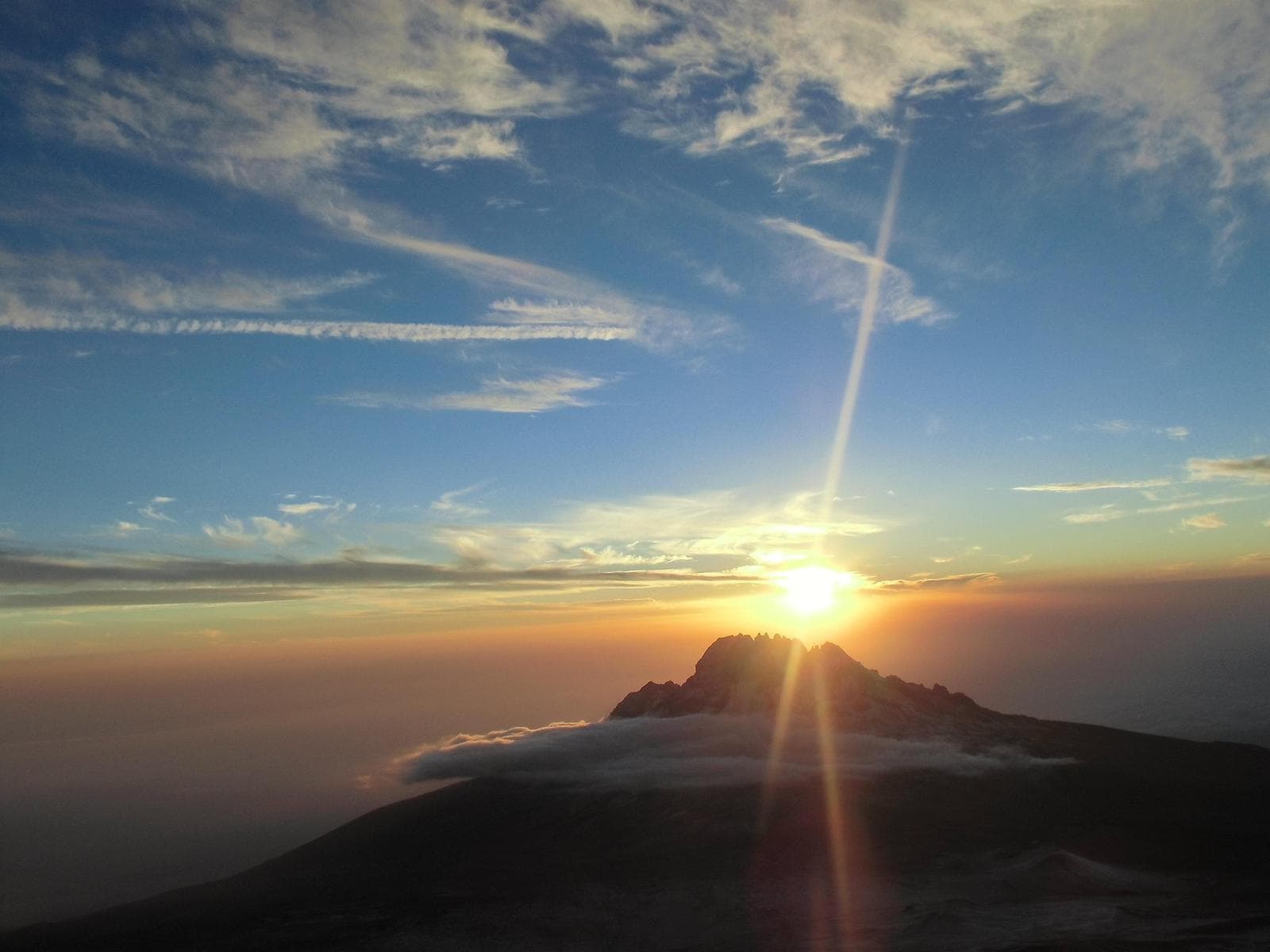
Kilimanjaro National Park
Climb Mount Kilimanjaro, Africa’s highest peak. Explore diverse landscapes, Uhuru Peak, Lake Chala, and guided adventures in Kilimanjaro National Park
View park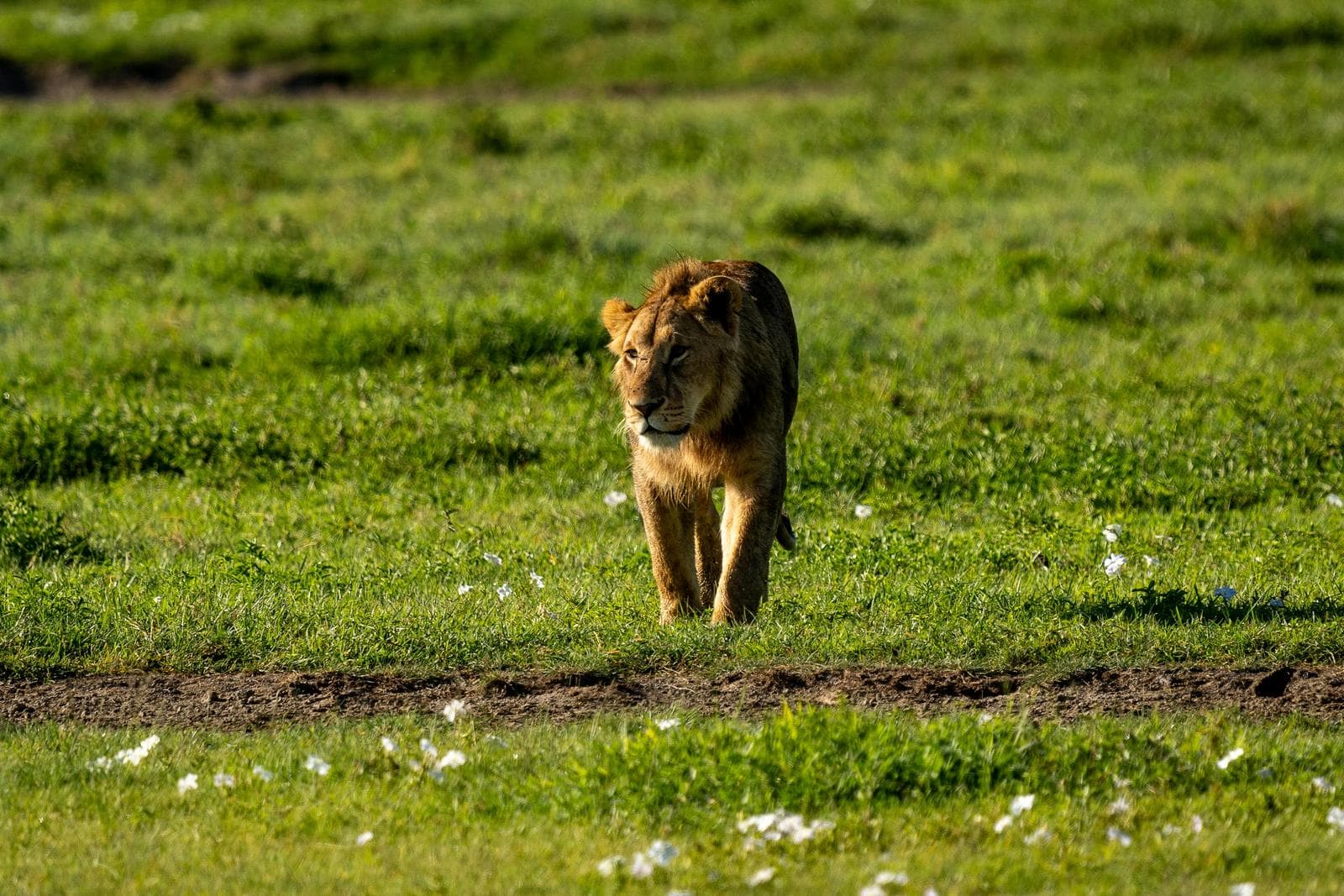
Arusha
Explore Arusha, Tanzania’s gateway to adventure. Discover wildlife safaris, Mount Meru treks, cultural markets, and local cuisine in this complete Arusha travel guide.
View parkNews and Updates
Entebbe for the Seasoned Traveler: Where to Stay, Drink Coffee and Spend Your Time
Discover the best places to stay, drink Ugandan coffee and explore Entebbe, from Lake Victoria cruises and botanical gardens to shoebill tracking and conservation experiences. For many visitors, Entebbe is simply the place where their flight lands before they continue to Kampala, Bwindi, Murchison Falls, or another part of Uganda. Experienced travelers know better. Set along the northern shores of Lake Victoria, Entebbe offers something increasingly rare in modern travel: a gentle arrival. Its leafy streets, tropical gardens, lakeside restaurants, historic institutions, and unhurried atmosphere provide a welcome transition between an international flight and the intensity of an African safari. Entebbe does not demand that you rush from one attraction to another. It rewards travelers who stay for a night or two, recover from the journey, drink good Ugandan coffee, and explore at a considered pace.
Read more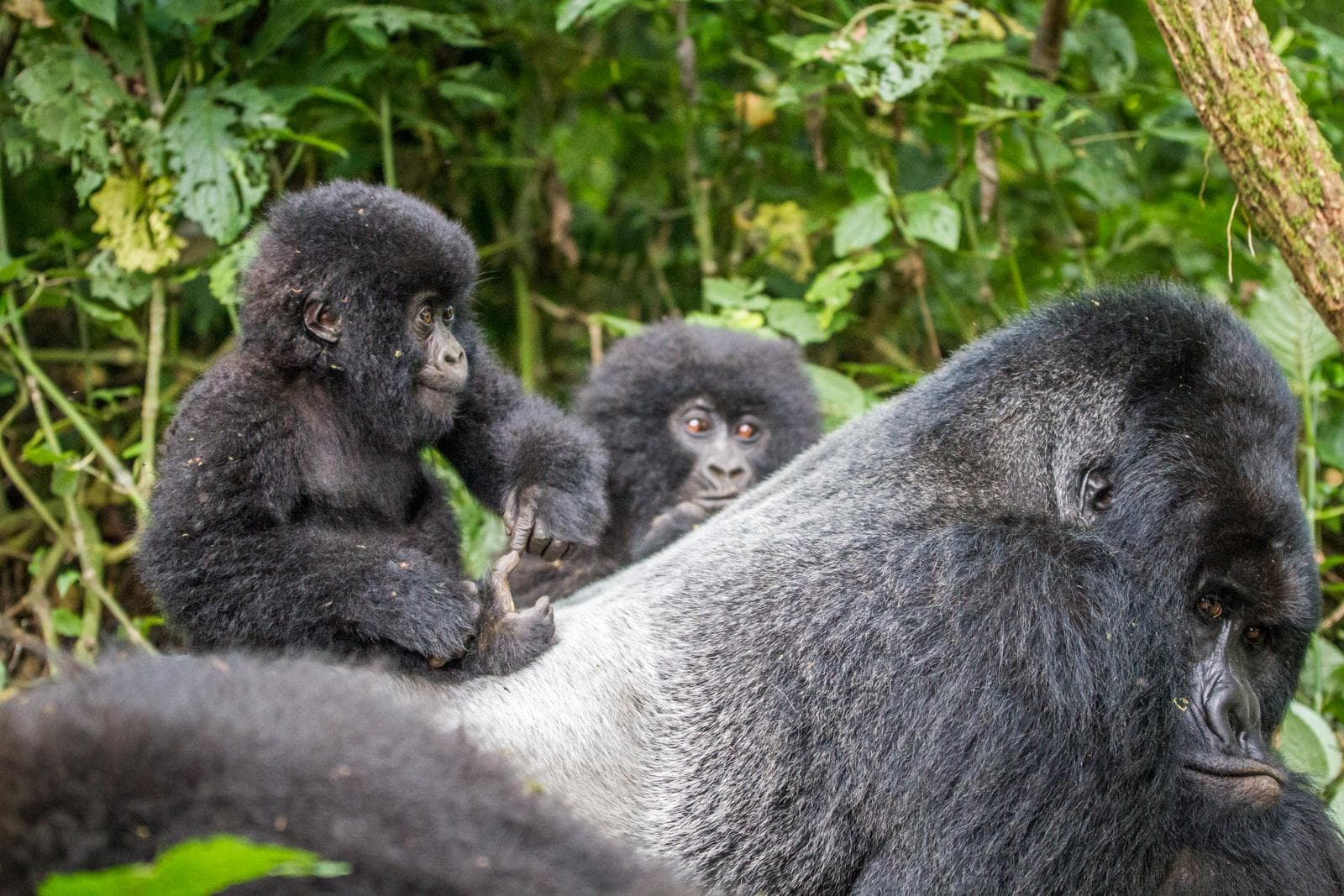
Uganda Wildlife Authority Announces New Permit Tariffs Effective 1 July 2026, What you Need to Know
Discover Uganda Wildlife Authority's 2026 permit prices for gorilla trekking, chimpanzee tracking, and safari experiences. Plan your Uganda adventure today.
Read more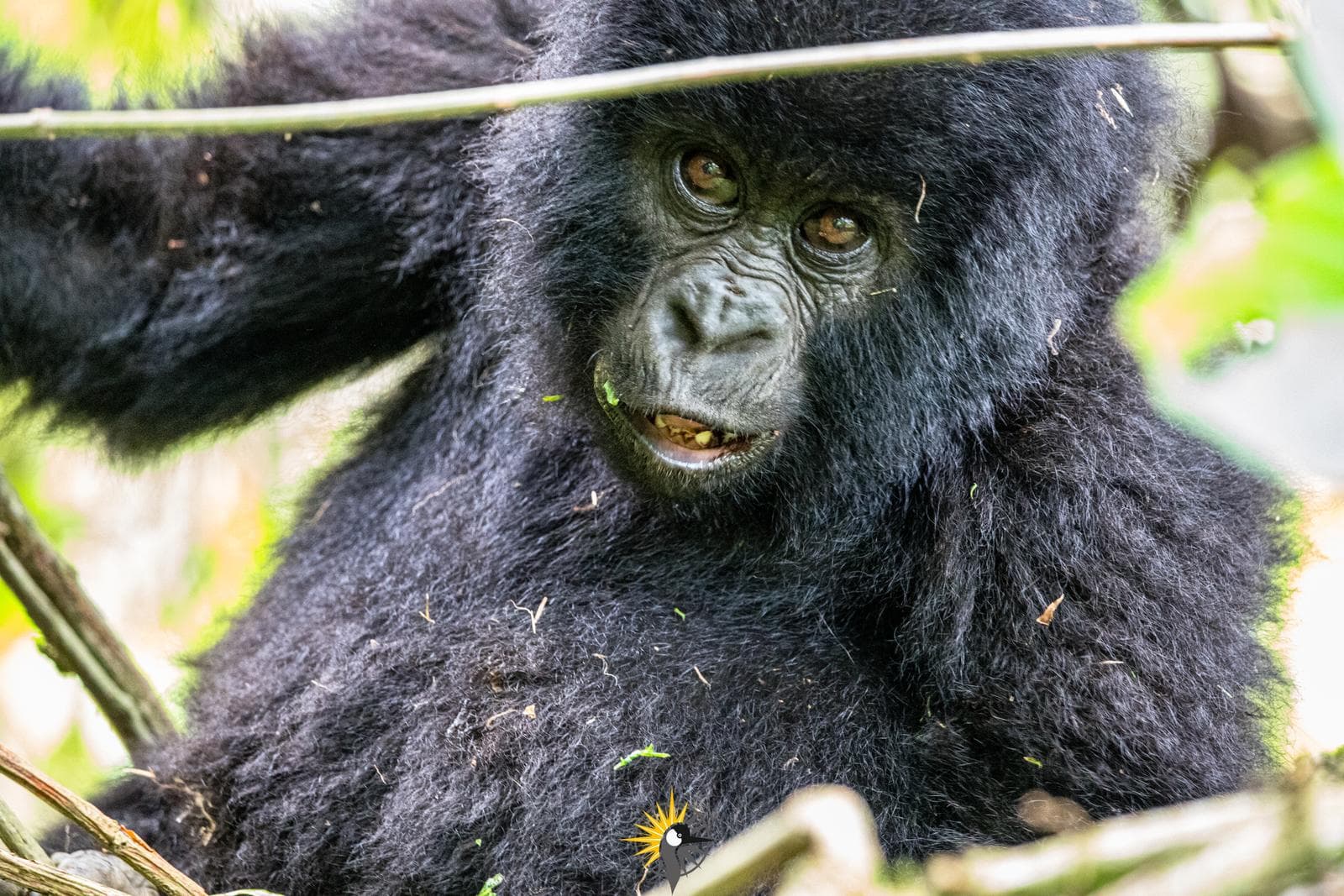
Discounted Gorilla Permits in Uganda 2026, Save on Gorilla Trekking Safaris
Discover discounted Uganda gorilla permits in 2026. Save on trekking in Bwindi & Mgahinga during low season months for an unforgettable safari.
Read more