Seronera Airstrip
Seronera Airstrip is one of the most important aviation hubs within Serengeti National Park, providing direct access to the central Serengeti ecosystem. Located in the Seronera Valley, this airstrip is the primary arrival point for travelers seeking an immersive wildlife safari experience in one of Africa’s most famous national parks.
Central Location in the Serengeti
Seronera Airstrip sits in the central region of the Serengeti, an area widely regarded as the park’s wildlife-rich core. This strategic positioning allows visitors to begin game drives almost immediately after landing, eliminating long transfer times often associated with road travel.
The Seronera region is characterized by open plains, scattered acacia trees, and the Seronera River, which provides a year-round water source that attracts a high concentration of animals.
Gateway to Exceptional Wildlife Viewing
The area surrounding Seronera Airstrip is renowned for its abundant wildlife and consistent game viewing opportunities. Unlike other parts of the Serengeti that are seasonal, the Seronera Valley supports wildlife throughout the year.
Visitors arriving at the airstrip can expect to encounter large populations of lions, elephants, giraffes, and leopards. The region is especially famous for predator sightings, making it a prime destination for photographers and wildlife enthusiasts.
Access to the Great Migration
Seronera Airstrip plays a key role during the annual movement of wildlife known as the Great Migration. While the migration shifts across different parts of the Serengeti ecosystem throughout the year, the central region often hosts large herds during certain months.
This makes the airstrip a convenient entry point for travelers hoping to witness thousands of wildebeest and zebras moving across the plains in search of fresh grazing.
Air Travel and Connectivity
Seronera Airstrip is serviced by several regional airlines that operate scheduled and charter flights. These flights typically connect from major hubs such as Arusha, Kilimanjaro International Airport, and Zanzibar.
Flights are usually operated by small aircraft, offering scenic aerial views of the Serengeti landscape. The short flight duration compared to road travel makes this option ideal for travelers with limited time or those seeking a more convenient experience.
Safari Lodges and Camps Nearby
The area around Seronera Airstrip is home to a wide range of safari lodges and tented camps, catering to different budgets and preferences. Many of these accommodations are located within a short driving distance from the airstrip, allowing for quick transfers.
From luxury lodges overlooking the plains to intimate tented camps that bring guests closer to nature, the Seronera region offers a diverse range of options for an authentic safari experience.
Best Time to Visit Seronera
Seronera Airstrip can be used year-round, thanks to the region’s consistent wildlife presence. However, the experience varies by season.
During the dry season, from June to October, wildlife viewing is at its peak as animals gather around water sources. The green season, from November to May, transforms the landscape into a lush environment, attracting migratory species and offering excellent birdwatching opportunities.
The timing of the Great Migration can also influence when to visit, as different parts of the Serengeti host the herds at different times of the year.
Travel Experience and Practical Information
Arriving at Seronera Airstrip is a unique experience that immediately immerses travelers in the wilderness. Unlike conventional airports, the airstrip is simple and functional, designed to blend into the natural environment.
Passengers are typically welcomed by safari guides upon arrival and transferred directly to their lodges or camps. Because of the remote location, it is essential to plan flights and accommodations in advance, especially during peak travel seasons.
Role in Serengeti Tourism
Seronera Airstrip is a critical component of tourism infrastructure in Serengeti National Park. By enabling quick and efficient access to the park’s central region, it supports both high-end and mid-range safari operations.
Its importance extends beyond convenience, as it helps distribute visitors across the park while maintaining the exclusivity and pristine nature of the Serengeti experience.
Conclusion
Seronera Airstrip serves as the gateway to the very heart of the Serengeti, offering unmatched access to wildlife and breathtaking landscapes. Its central location, reliable connectivity, and proximity to key safari areas make it an essential entry point for travelers exploring Tanzania’s most iconic national park.
0 Frequently Asked Questions
Have any inquiries?
Related safaris
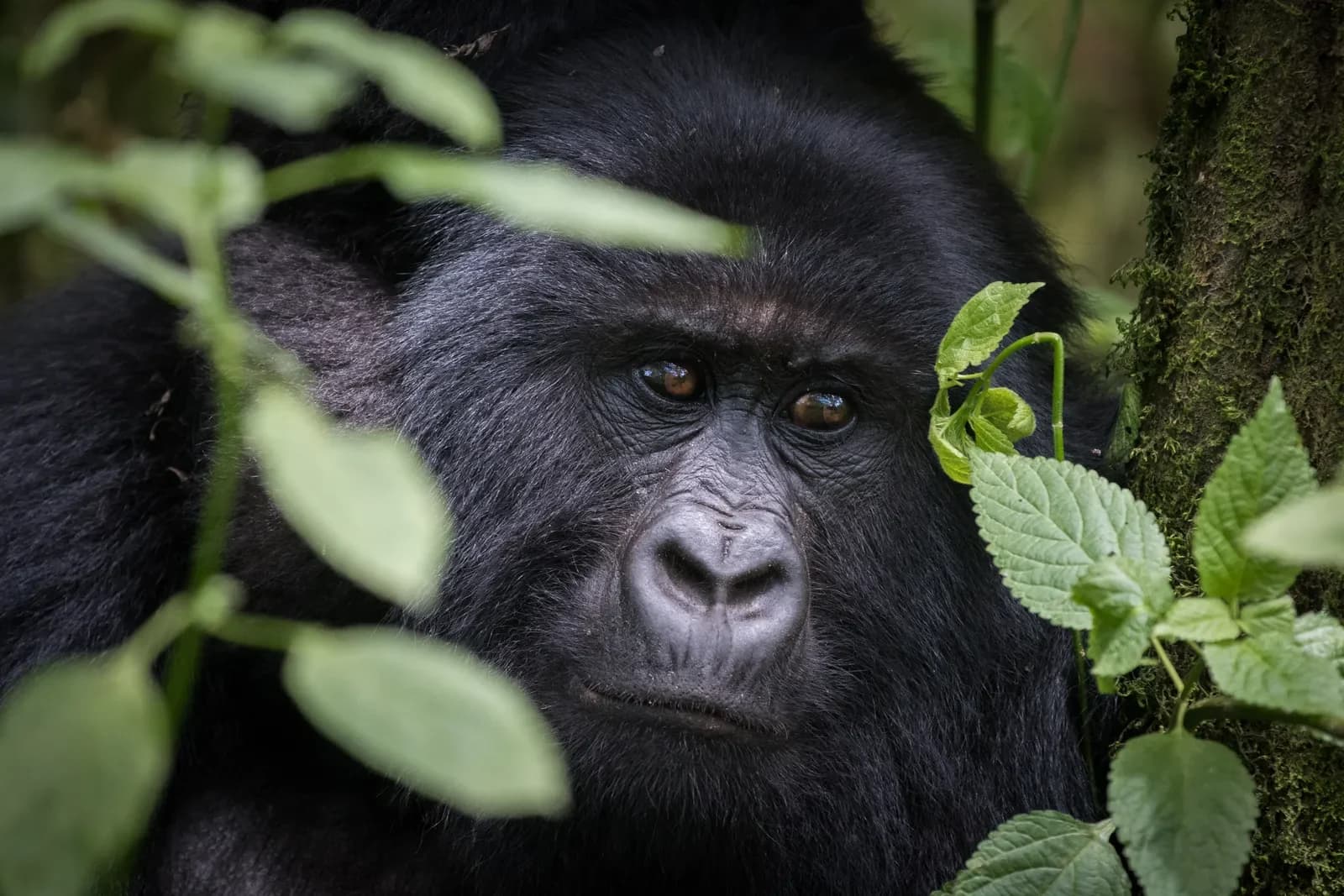
11 Days Rwanda, Uganda and Tanzania Gorilla Trekking and Wildlife Safari
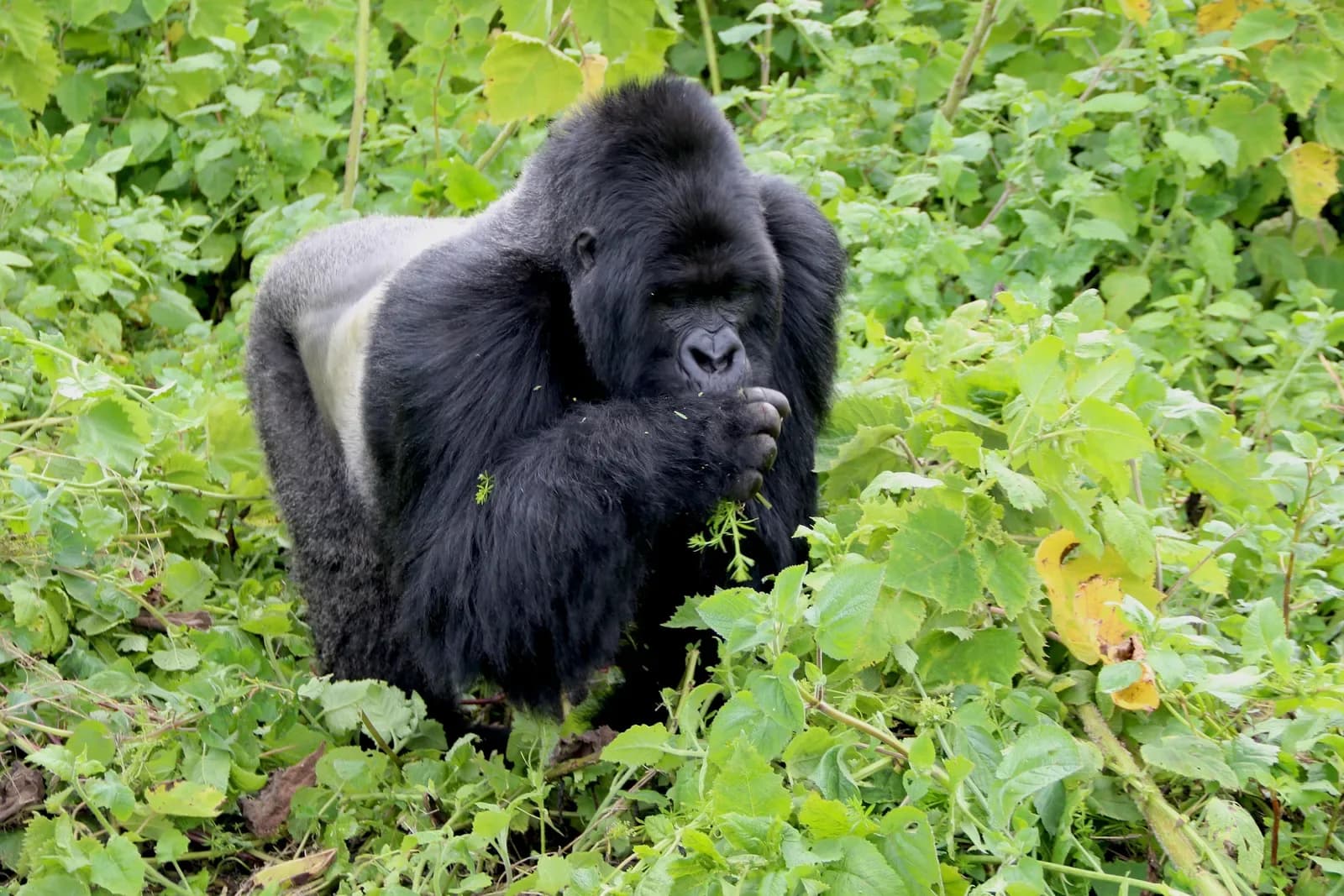
12 Days Rwanda, Uganda and Tanzania Primate and Wildlife Safari
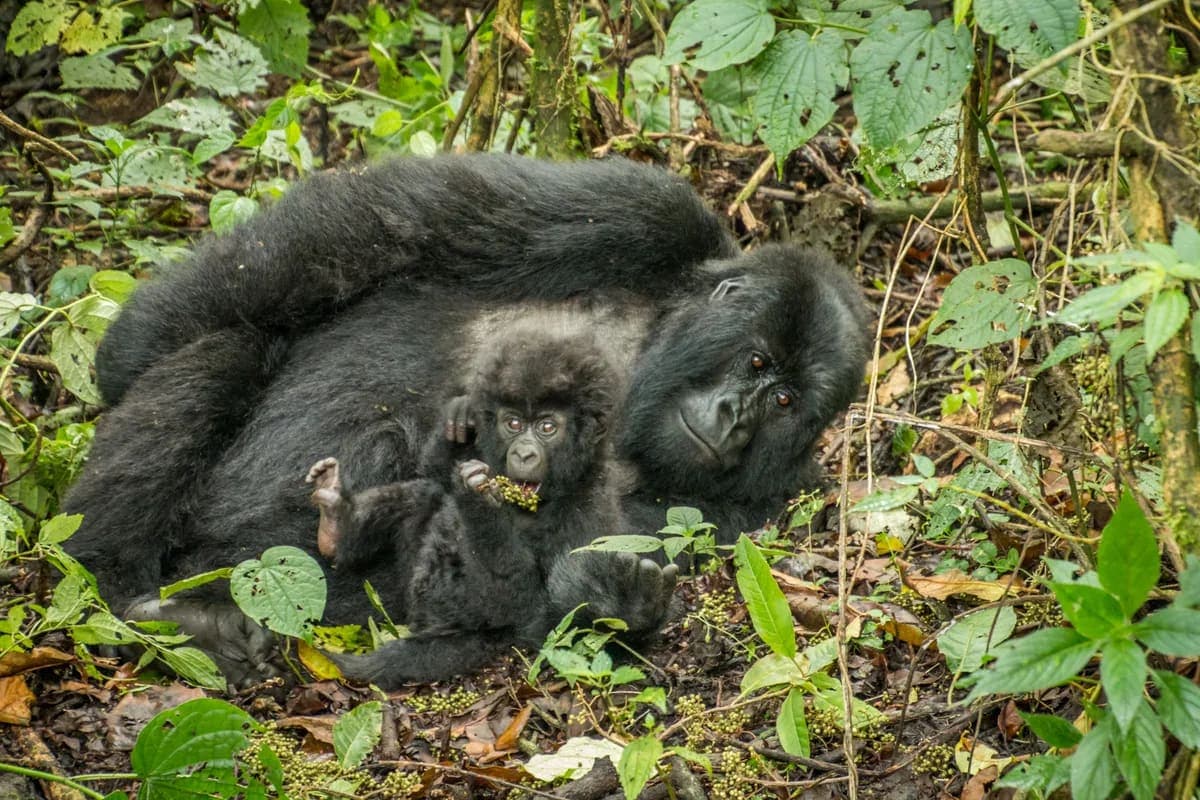
14 Days Rwanda, Uganda and Tanzania Primate and Wildlife Safari
Related parks
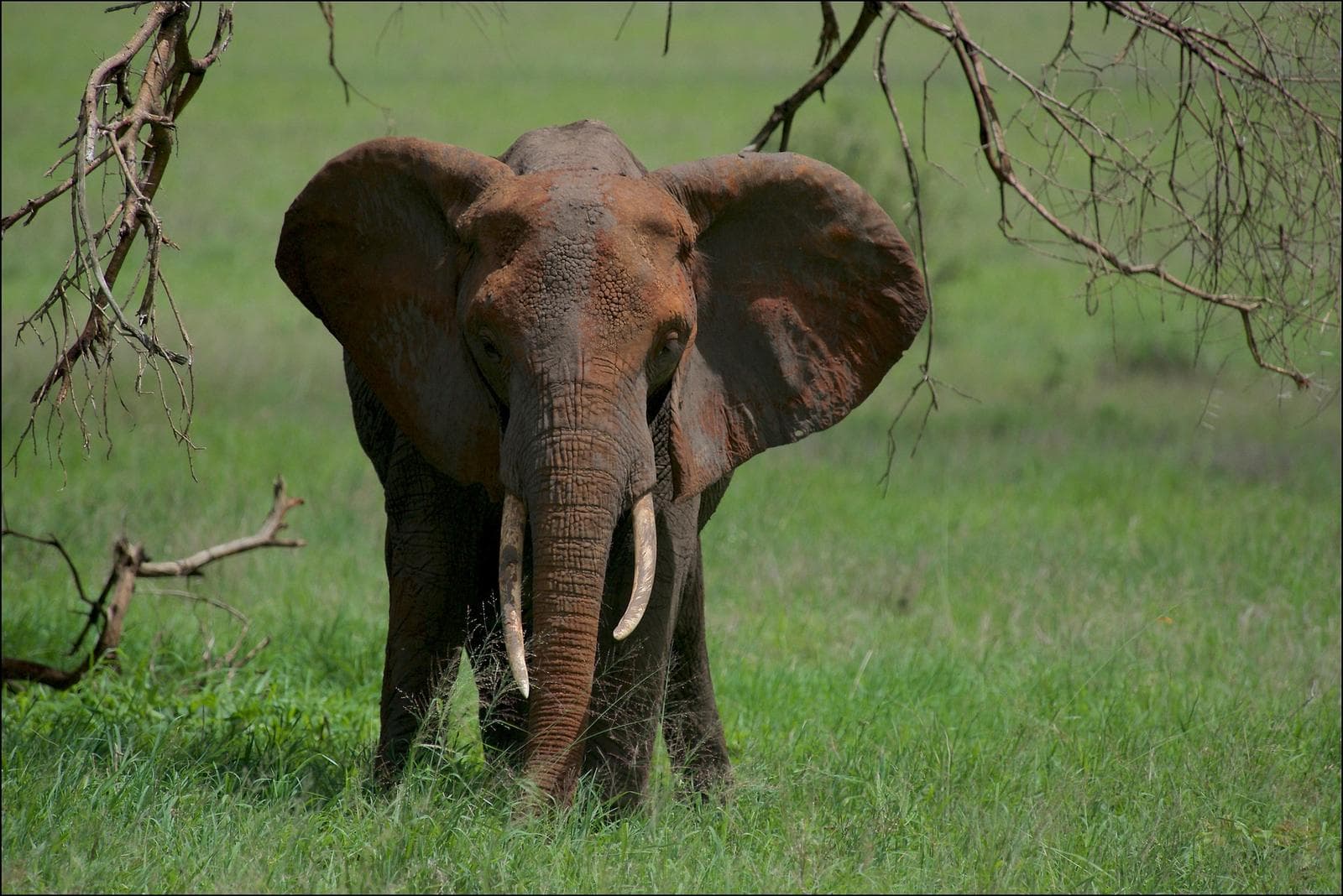
Tarangire national park
Explore Tarangire National Park, famous for huge elephant herds, baobab trees, birding, game drives, walking safaris, and Lake Burunge tours.
View park
Abeid Amani Karume International Airport (ZNZ)
Discover Abeid Amani Karume International Airport (ZNZ), Zanzibar’s gateway to pristine beaches, historic Stone Town, spice farms, and adventure. Plan your trip with our complete Zanzibar airport travel guide.
View park
Kilimanjaro International Airport
Kilimanjaro International Airport is the gateway to Tanzania safaris and Mount Kilimanjaro, offering easy access to the Serengeti and Ngorongoro.
View parkNews and Updates
Best Time to Visit Uganda for a Safari: A Month-by-Month Guide
Discover the best time to visit Uganda for a safari. Explore monthly weather, gorilla trekking seasons, wildlife viewing, and expert travel tips.
Read moreUganda, Rwanda Primate Trekking and African Safari Packing List
Plan your Uganda and Rwanda safari with a practical packing list for gorilla, chimpanzee and golden monkey trekking, game drives and changing weather.
Read more
Cash Payments and US Dollar Guidelines
Learn how to pay your safari balance in Uganda, Rwanda and Tanzania, including US dollar cash requirements, card payments, fees and local currencies.
Read more