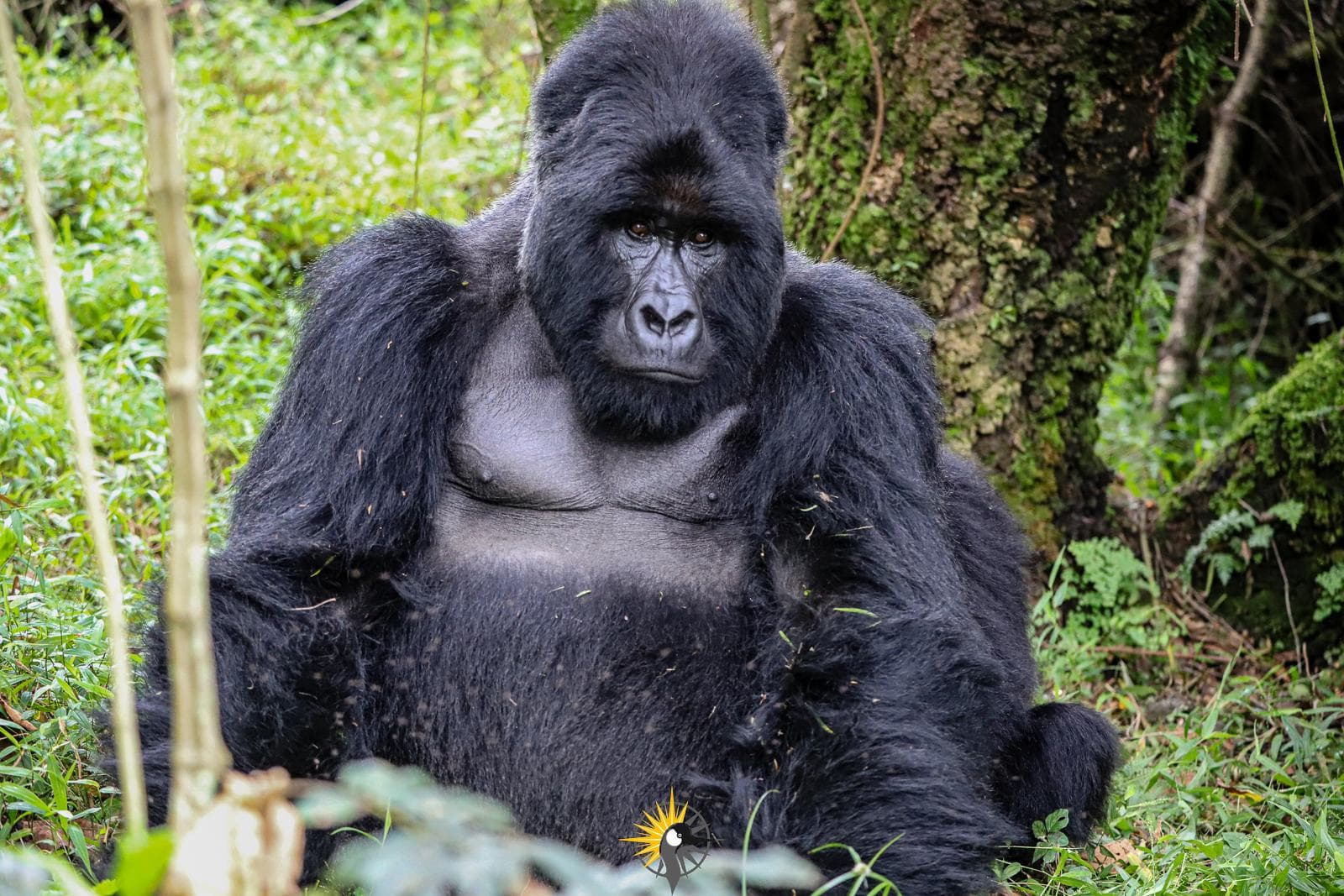
Mountain Gorilla
The Mountain Gorilla (Gorilla beringei beringei) is one of the most iconic and endangered primates in the world. Renowned for their intelligence, social bonds, and close resemblance to humans, mountain gorillas are a major attraction for eco-tourism and wildlife conservation in East Africa. They inhabit the misty forests of Uganda, Rwanda, and the Democratic Republic of Congo, offering visitors unforgettable wildlife encounters.
Physical Description
Mountain gorillas are large, muscular primates with a robust build and dense dark fur, which helps them survive in cold, high-altitude forests. Adult males, known as silverbacks, can weigh between 140 and 200 kilograms, while females are smaller, averaging 90 and 120 kilograms.
Silverbacks are easily recognizable by the patch of silver hair on their backs, which develops around 12 years of age and signals their dominant status within the group. Gorillas have large hands, strong limbs, and opposable thumbs, allowing them to manipulate vegetation and move efficiently through their forested habitat.
Habitat and Distribution
Mountain gorillas are endemic to the high-altitude forests of East Africa, thriving in dense, misty environments with abundant vegetation.
Key habitats include:
- Bwindi Impenetrable National Park – home to over half of the world's population of mountain gorillas.
- Mgahinga Gorilla National Park – located in the Virunga Mountains, offering remote trekking experiences.
- Volcanoes National Park – part of the Virunga range, known for habituated gorilla families and tourism initiatives.
- Virunga National Park – the largest range of mountain gorilla habitats, though security concerns limit tourism.
These regions provide the dense vegetation, bamboo thickets, and high-altitude conditions necessary for their survival.
Behavior and Social Structure
Mountain gorillas live in tight-knit family groups led by a dominant silverback male. Each group typically includes multiple females, their offspring, and sometimes subordinate males.
The silverback is responsible for protection, decision-making, and group cohesion, guiding the gorillas during feeding, movement, and resting. Social bonds are strong, and members engage in grooming, play, and vocal communication to strengthen relationships.
Vocalizations, chest beating, and gestures are important forms of communication, allowing gorillas to express emotions, warn of danger, or assert dominance.
Diet and Feeding Habits
Mountain gorillas are primarily herbivorous, feeding on a variety of plants. Their diet includes:
- Leaves, stems, and shoots
- Bamboo and roots
- Fruits and flowers
- Occasionally small insects
Gorillas spend a large portion of the day feeding, foraging through dense undergrowth and forested areas. Their foraging behavior plays a role in seed dispersal, contributing to the ecological health of their habitats.
Reproduction
Females reach sexual maturity around 8–10 years, while males mature at 12–15 years. The gestation period lasts approximately 8.5 months, with females usually giving birth to a single infant.
Infants are highly dependent on their mothers for care, nursing, and protection. Silverbacks are often protective of the young and play a key role in ensuring the group's safety.
Conservation Status
Mountain gorillas are classified as Endangered, but conservation efforts have helped stabilize and slowly increase their populations. Key threats include:
- Habitat loss and encroachment
- Poaching (although gorillas are not typically hunted, snares intended for other animals pose risks)
- Human disease transmission
Tourism-based conservation, community engagement, and national park protections have been crucial in safeguarding these primates. Habituated gorilla groups allow regulated trekking, which supports both conservation and local economies.
Ecological Role
Mountain gorillas are keystone species within their forest ecosystems. By consuming vegetation and dispersing seeds, they help maintain forest structure and biodiversity. Their movement and feeding habits create clearings that benefit other animals and plant species, making them essential contributors to ecosystem health.
Gorilla Trekking Experience
Gorilla trekking is a once-in-a-lifetime wildlife experience. Visitors hike through a dense forest, guided by experienced trackers, to observe habituated gorilla families.
During the encounter, tourists can spend up to one hour observing gorillas, witnessing feeding, play, grooming, and social interactions. Bwindi Impenetrable Forest, Mgahinga Gorilla National Park, and Volcanoes National Park are the top destinations for these safaris. Trekking requires moderate fitness but rewards visitors with an intimate look at one of the world's most intelligent primates.
Conclusion
Mountain gorillas are symbols of conservation success, intelligence, and the wild beauty of East Africa. From Uganda's Bwindi and Mgahinga parks to Rwanda's Volcanoes National Park, these gentle giants offer unforgettable encounters while reminding us of the importance of protecting their fragile forest habitats.
Related Animals
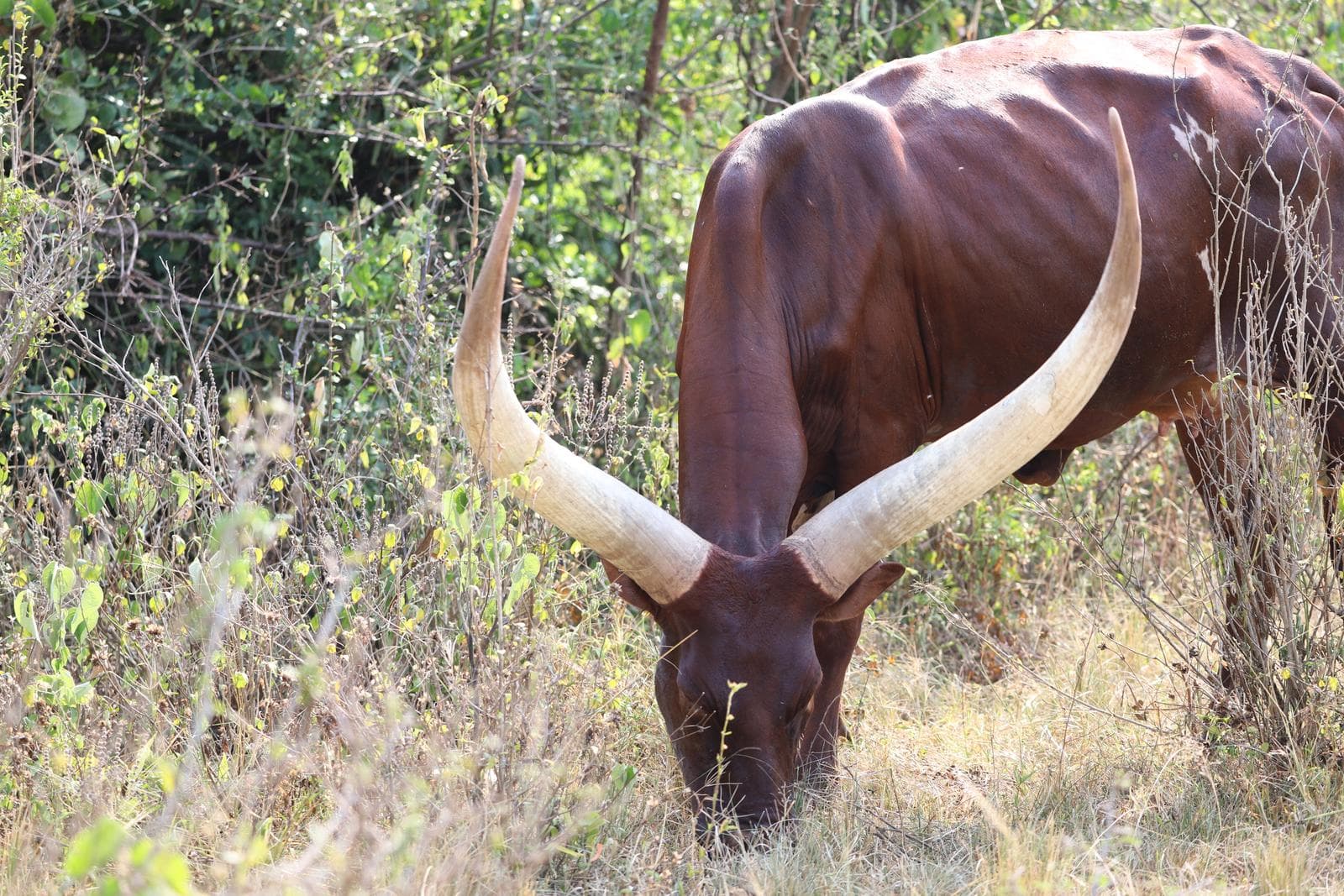
Ankole cow
Discover Ankole Long-Horned Cattle – iconic African livestock with majestic horns, rich cultural significance, and adaptability across East Africa.
View animal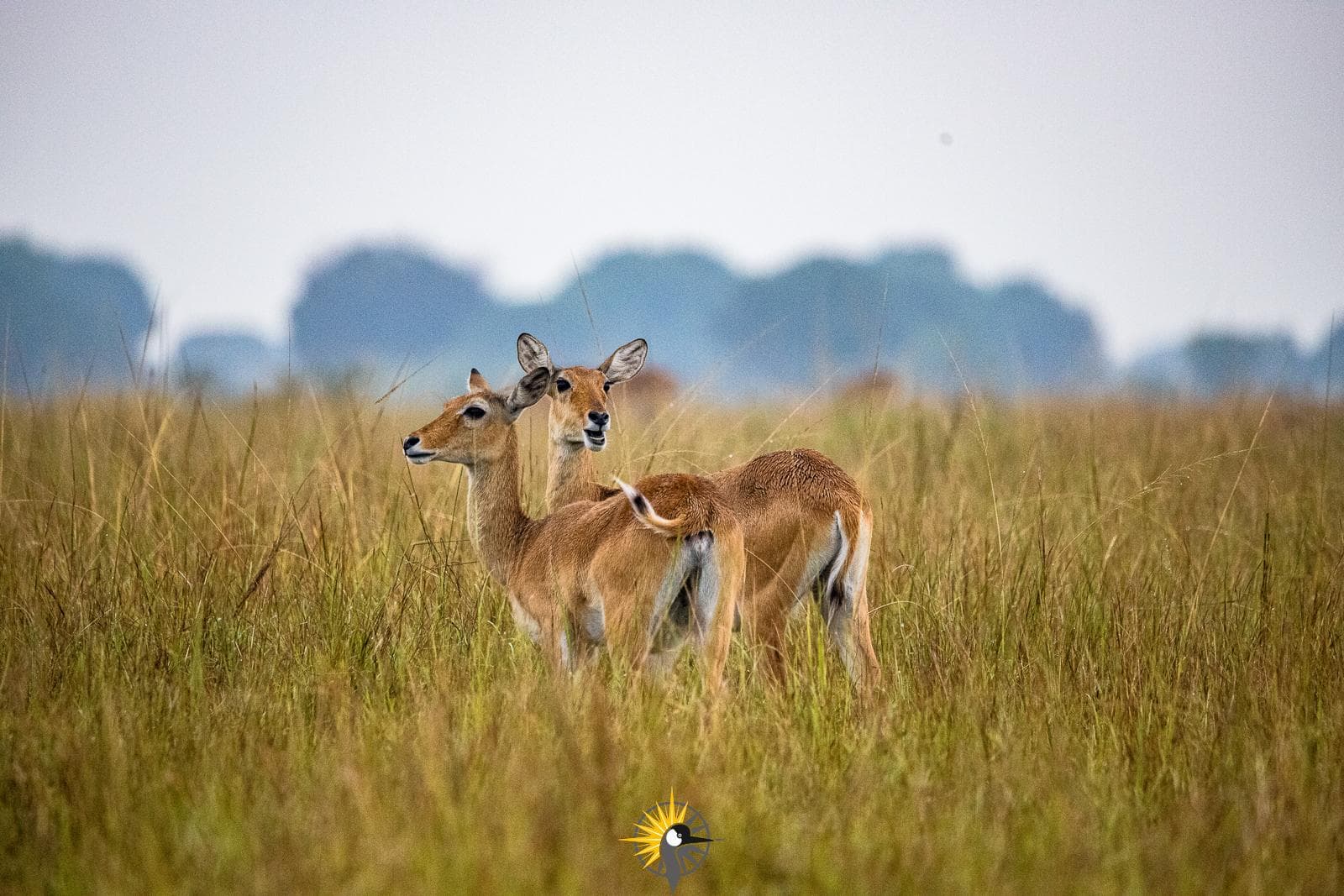
Oribi
Discover the Oribi, a small yet elegant antelope found in East Africa’s grasslands. Learn about its behavior, habitat, and where to spot this elusive species on safari in Uganda, Kenya, and Tanzania.
View animal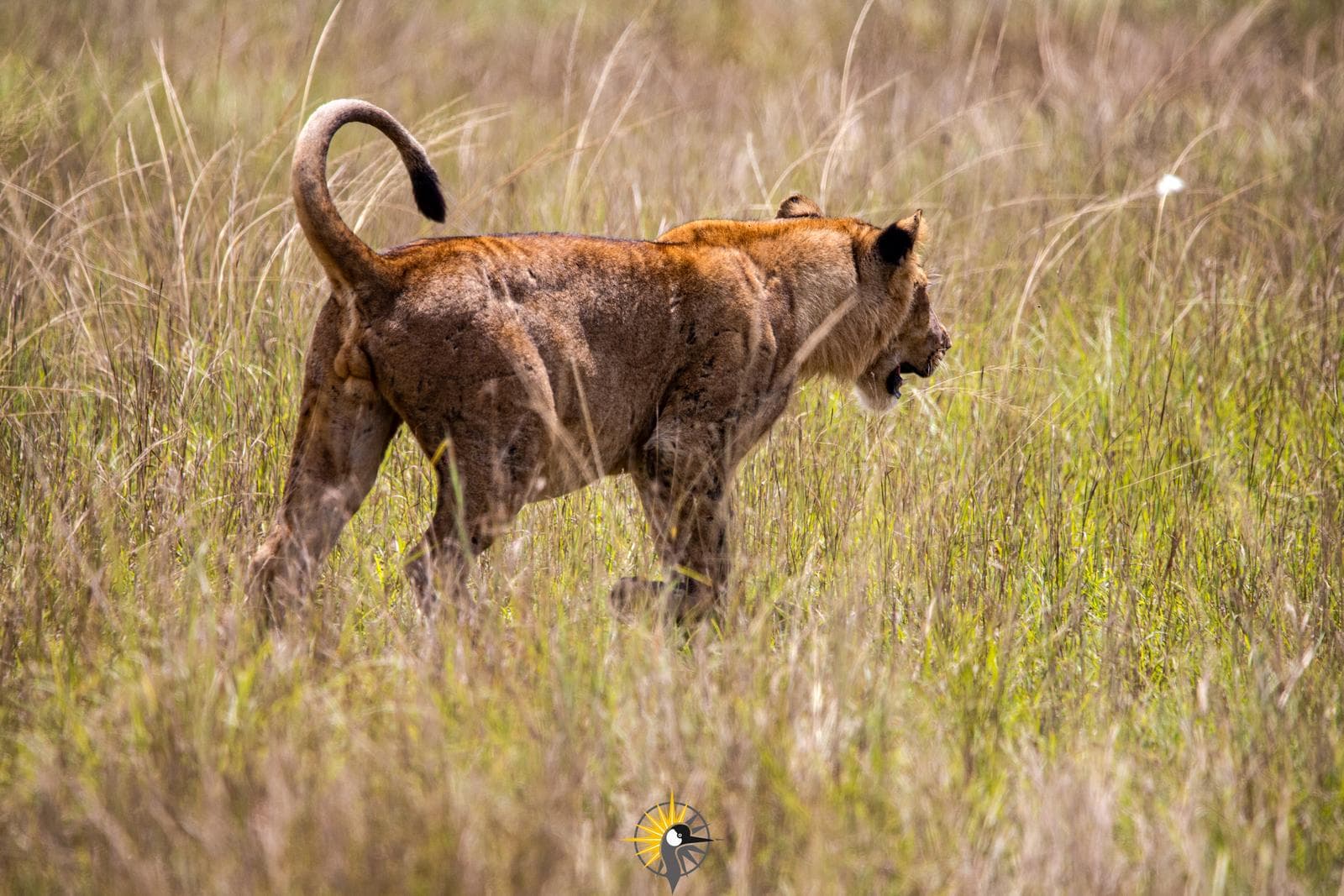
The African Lion
Discover African lions in East Africa’s top parks, from Serengeti to Queen Elizabeth, and learn about pride life, hunting, and conservation.
View animalTop safaris
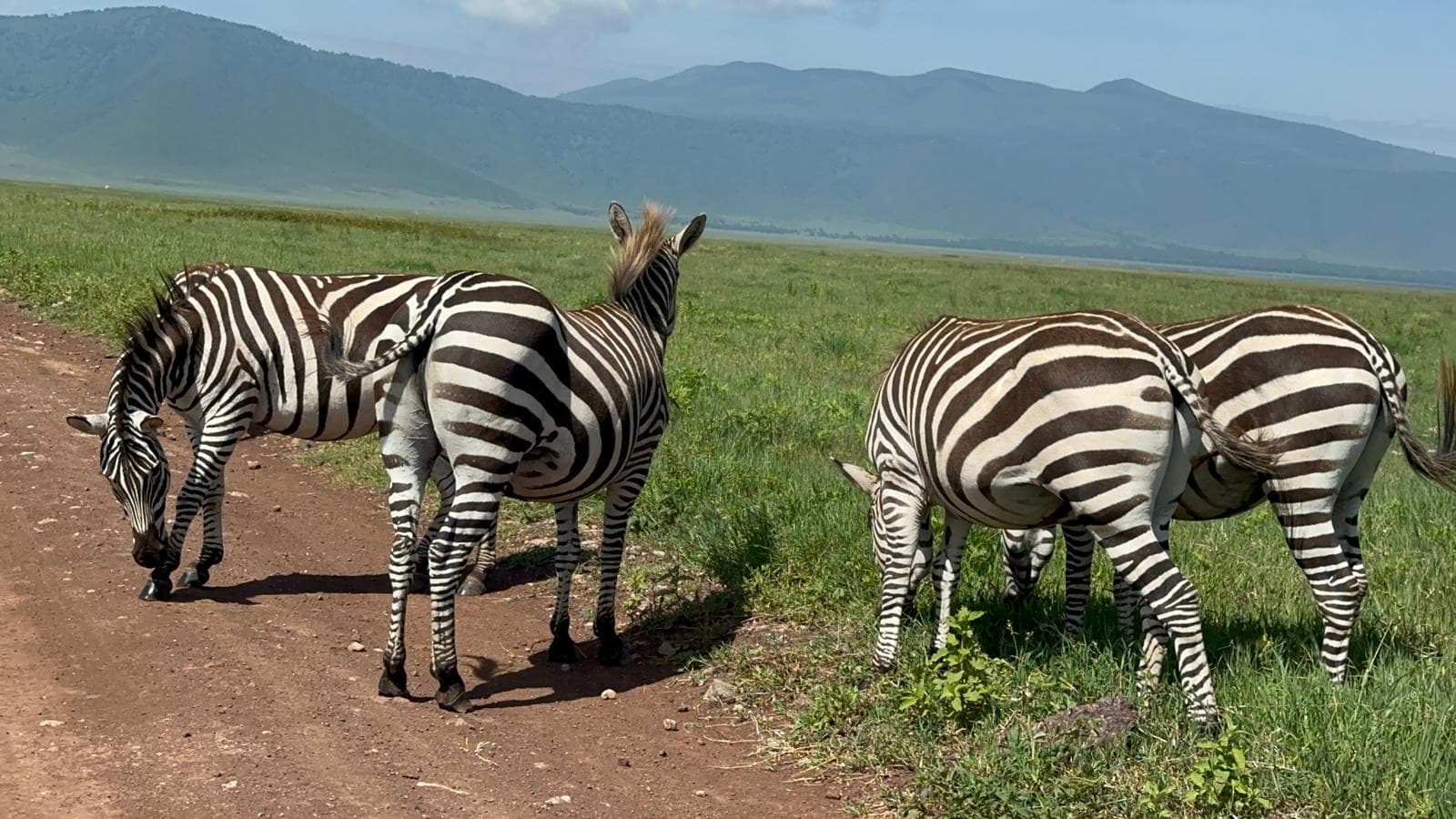
9 Days Gorilla tracking in Uganda, Tarangire, Ngorongoro, and Serengeti National Park in Tanzania
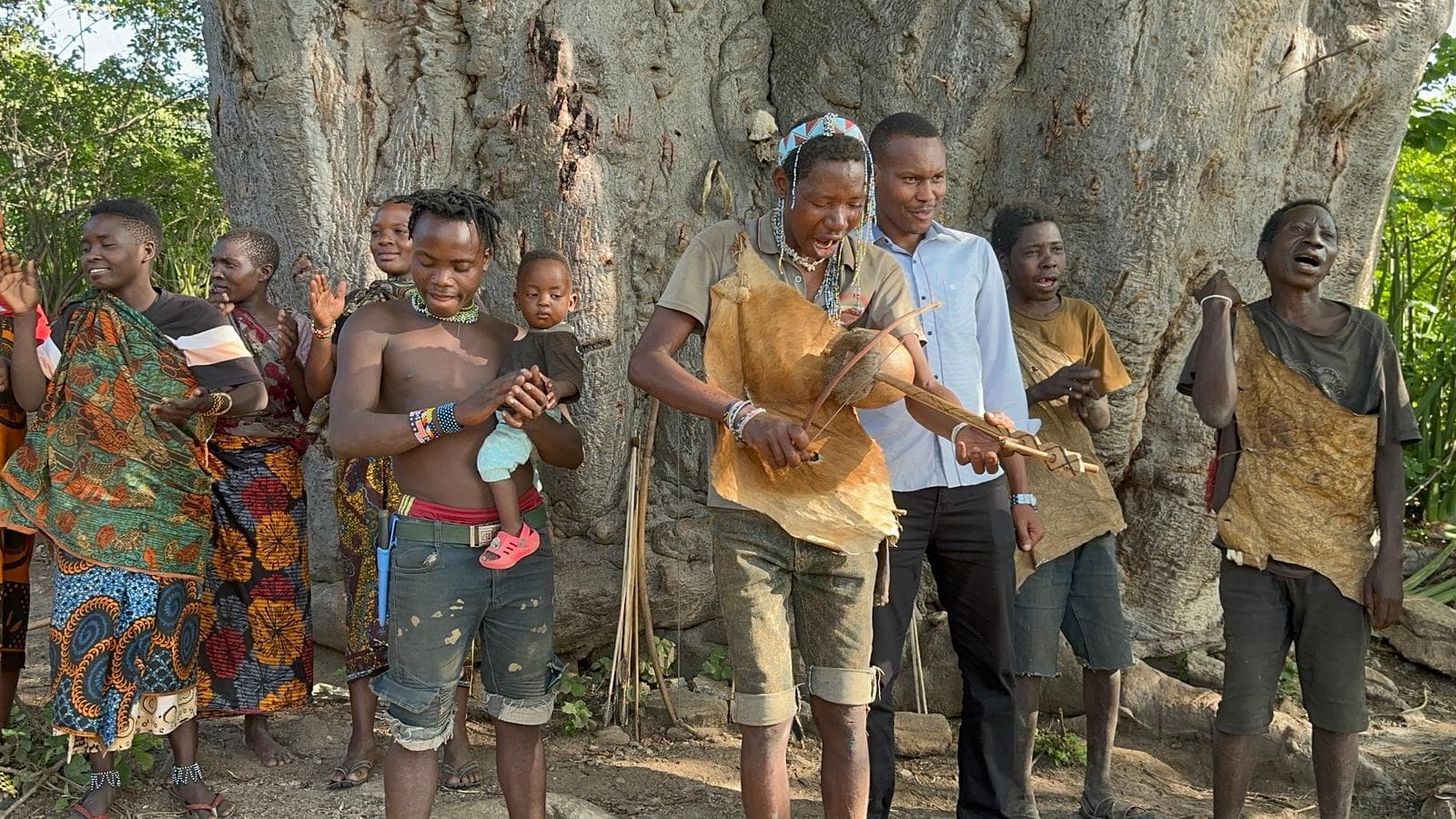
3 Days Hadzabe, Masai and Ngorongoro Crater Safari, Tanzania
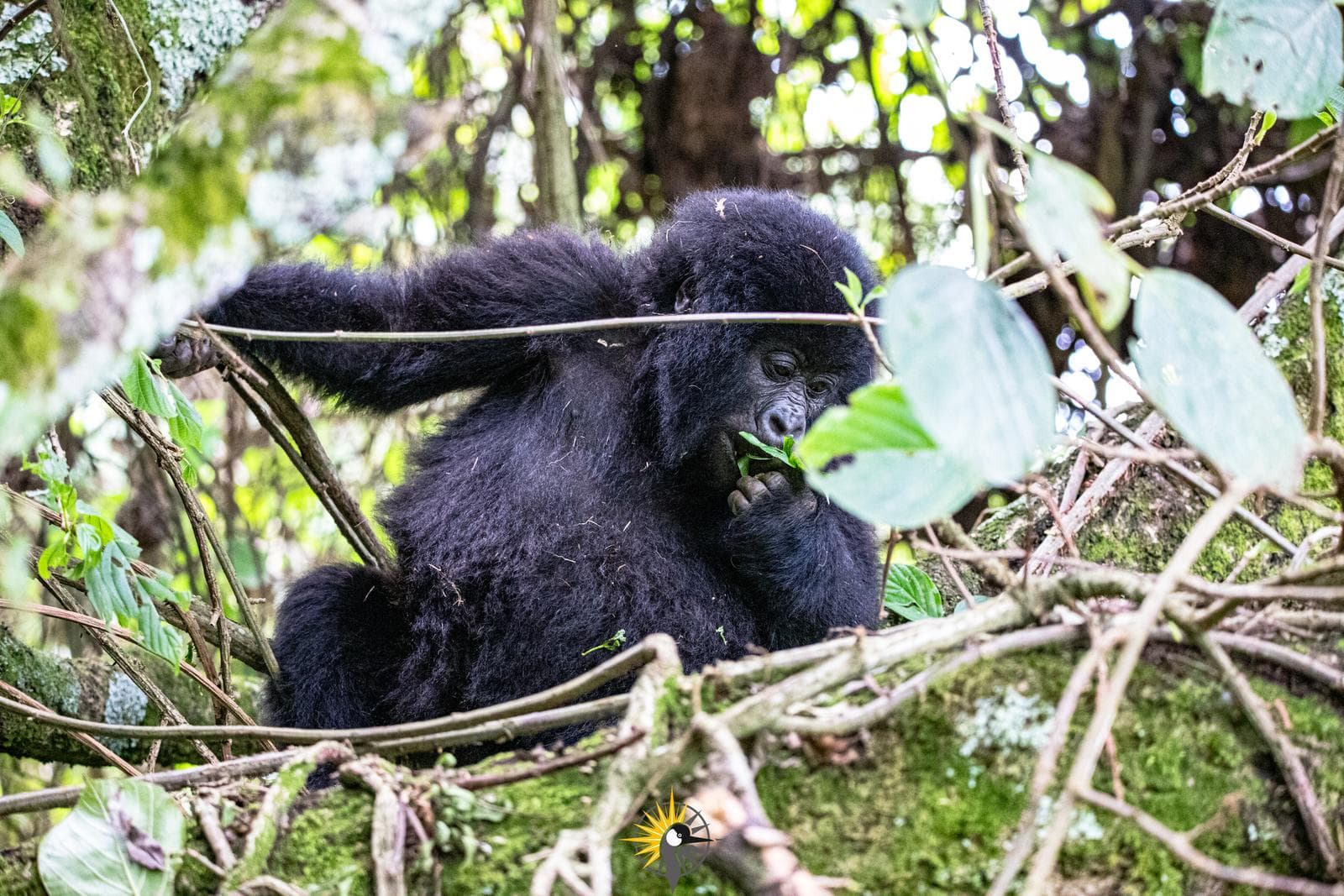
21 Days Epic East Africa safari, gorilla trekking in Bwindi, Big Five safaris and Zanzibar Beach escape
News and Updates
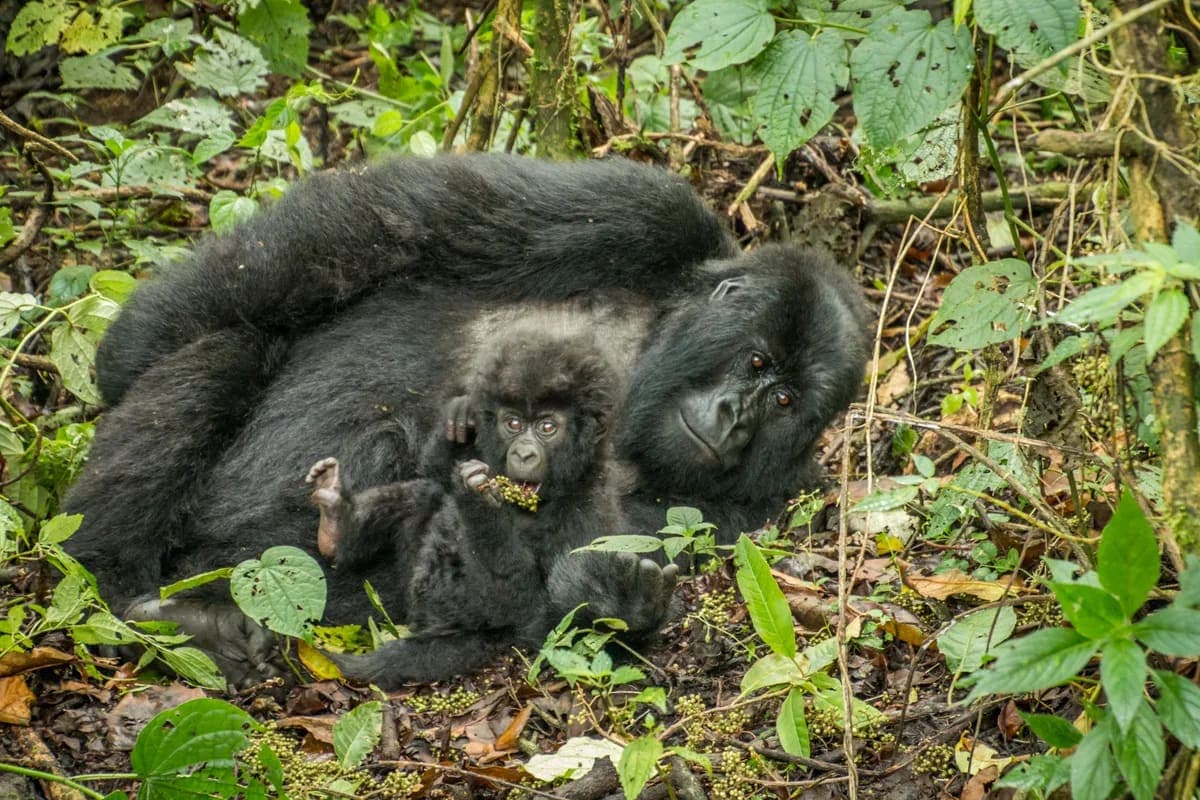
Uganda, Rwanda Primate Trekking and African Safari Packing List
Plan your Uganda and Rwanda safari with a practical packing list for gorilla, chimpanzee and golden monkey trekking, game drives and changing weather.
Read more
Cash Payments and US Dollar Guidelines
Learn how to pay your safari balance in Uganda, Rwanda and Tanzania, including US dollar cash requirements, card payments, fees and local currencies.
Read more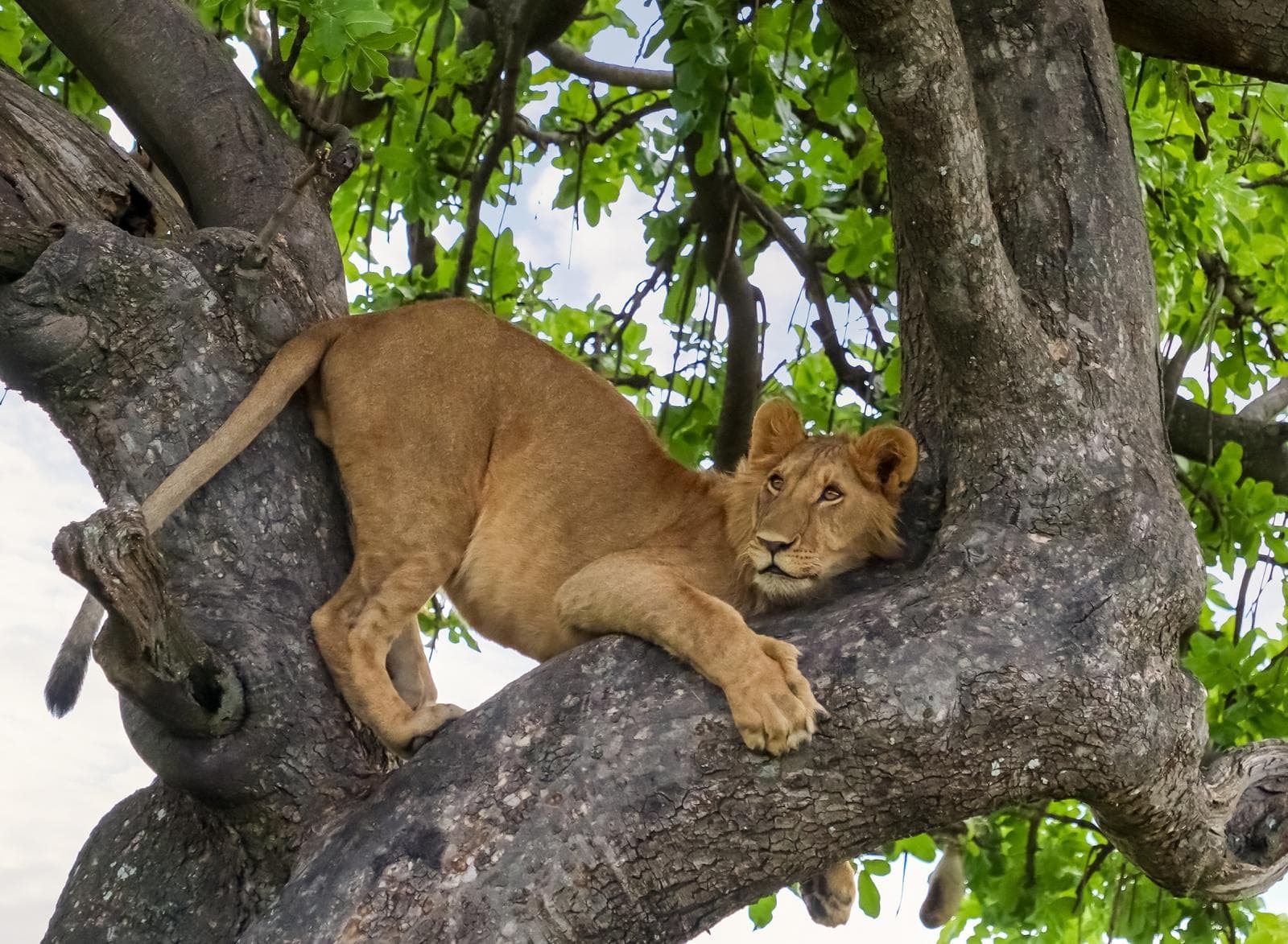
Entebbe for the Seasoned Traveler: Where to Stay, Drink Coffee and Spend Your Time
Discover the best places to stay, drink Ugandan coffee and explore Entebbe, from Lake Victoria cruises and botanical gardens to shoebill tracking and conservation experiences. For many visitors, Entebbe is simply the place where their flight lands before they continue to Kampala, Bwindi, Murchison Falls, or another part of Uganda. Experienced travelers know better. Set along the northern shores of Lake Victoria, Entebbe offers something increasingly rare in modern travel: a gentle arrival. Its leafy streets, tropical gardens, lakeside restaurants, historic institutions, and unhurried atmosphere provide a welcome transition between an international flight and the intensity of an African safari. Entebbe does not demand that you rush from one attraction to another. It rewards travelers who stay for a night or two, recover from the journey, drink good Ugandan coffee, and explore at a considered pace.
Read more