Kibale forest national park
Park at a glance:
Size: 795km2.
Altitude: 1,100m - 1,590m above sea level.
351 tree species have been recorded in the park, some rising to over 55 meters and over 200 years old.
Kibale's varied altitudes support different habitat types, ranging from wet tropical forest on the Fort Portal plateau to woodland and savanna on the rift valley floor. Kibale is one of Africa's foremost research sites.
While many researchers focus on chimpanzees and other primates found in the park, others investigate Kibale's ecosystems, wild pigs, and fish species, among other topics.
Kibale Forest National Park contains one of the loveliest and most varied tracts of tropical forest in Uganda. Forest cover, interspersed with patches of grassland and swamp, dominates the northern and central parts of the park on an elevated plateau.
Things to do in and around Kibale Forest National Park
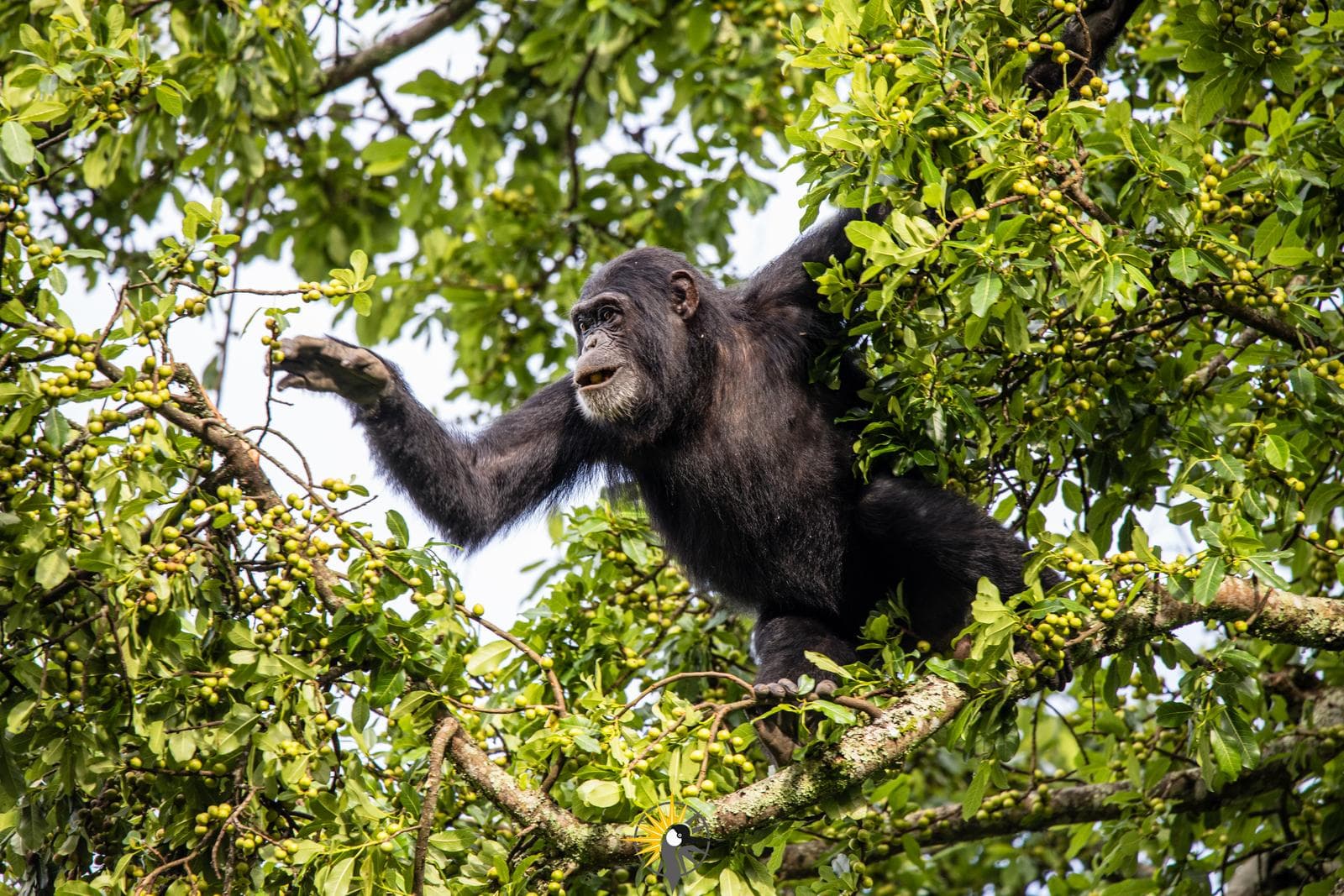
Chimpanzee Tracking in Kibale
Kibale Forest National Park is famous for Chimpanzee tracking. The park is home to 70 mammal species, most notably 13 primate species, including the chimpanzee. It also contains over 375 bird species.
Kibale adjoins Queen Elizabeth National Park to the south to create a 180km-long corridor for wildlife between Ishasha, the remote southern sector of Queen Elizabeth National Park, and Sebitoli in the north of Kibale Forest National Park.
The Kibale-Fort Portal area is one of Uganda's most rewarding destinations to explore. The park lies close to the tranquil Ndali-Kasenda crater area and within half a day's drive of Queen Elizabeth National Park, the Rwenzori Mountains, and Semuliki National Park, as well as the Toro-Semuliki Wildlife Reserve. Kibale Forest National Park is famous for Chimpanzee tracking.
Bigodi Community Walk
In visiting the Bigodi community, you are not only supporting these communities directly but also promoting conservation for the nearest home of the Chimpanzees, the Kibale Forest National Park. This guided walk takes you for a closer meeting with the people at Bigodi Trading Centre and neighboring communities.
A local Guide, with a rich Knowledge of the traditional customs and lifestyle of the area, will lead you through the village paths to visit places such as primary schools, Churches, traditional homesteads, and learn about the crops, fruits, and maybe listen to the storytelling of an elderly man.
The walk will take up to 3 hours, depending on your pace or the group's. According to your interests, you will visit a traditional healer who will happily share his knowledge about spirits, herbs, plants, and local medicines, or visit the homes of elderly men and women who tell interesting stories about birth, marriage, ceremonies, clans, and their traditional life.
Learn more about the history and issues that they face as a developing community in rural Uganda. You will also have the chance to experience the Ugandan school system, visit a local church, and visit Bigodi's trading center, a hub of rural life and activity.
If you are a coffee lover, we will take you through the coffee experience, from harvesting, drying, hauling, roasting, grinding, and testing. Coffee is a very important cash crop in this area and has cultural significance; other activities, including birding in the Bigodi wetland, have been replaced by a lazy nature walk, which is equally rewarding.
Bigodi Wetland Sanctuary
The Bigodi Wetland Sanctuary is an excellent birding and primate habitat. The 4 square kilometers Magombe Swamp bordering the Kibale Forest is approximately 6 kilometers south of Kayanchu, the main tracking center of Kibale Forest National Park.
You are not going to swim but walk on raised wooden walkways, and observe some rare and colourful birds, colobus monkeys, and other small mammals like otters that call the swamp their home.
If you are lucky, you will spot the rare sitatunga and chimpanzees since they are also known to visit the swamps' marshy shores to forage. The Bigodi Wetland Sanctuary is a fantastic example of community tourism. Revenue from sanctuary visits is channeled to build schools, support women's groups, and improve access to water and waste management.
This three-hour activity pairs well with chimpanzee trekking, as both can be done as half-day activities and can be a good substitute for the village/community walk. You can do both to support a vast number of people.
0 Frequently Asked Questions
Have any inquiries?
Related safaris
9 Days Gorilla tracking in Uganda, Tarangire, Ngorongoro, and Serengeti National Park in Tanzania
3 Days Hadzabe, Masai and Ngorongoro Crater Safari, Tanzania
21 Days Epic East Africa safari, gorilla trekking in Bwindi, Big Five safaris and Zanzibar Beach escape
Related parks
Sipi falls
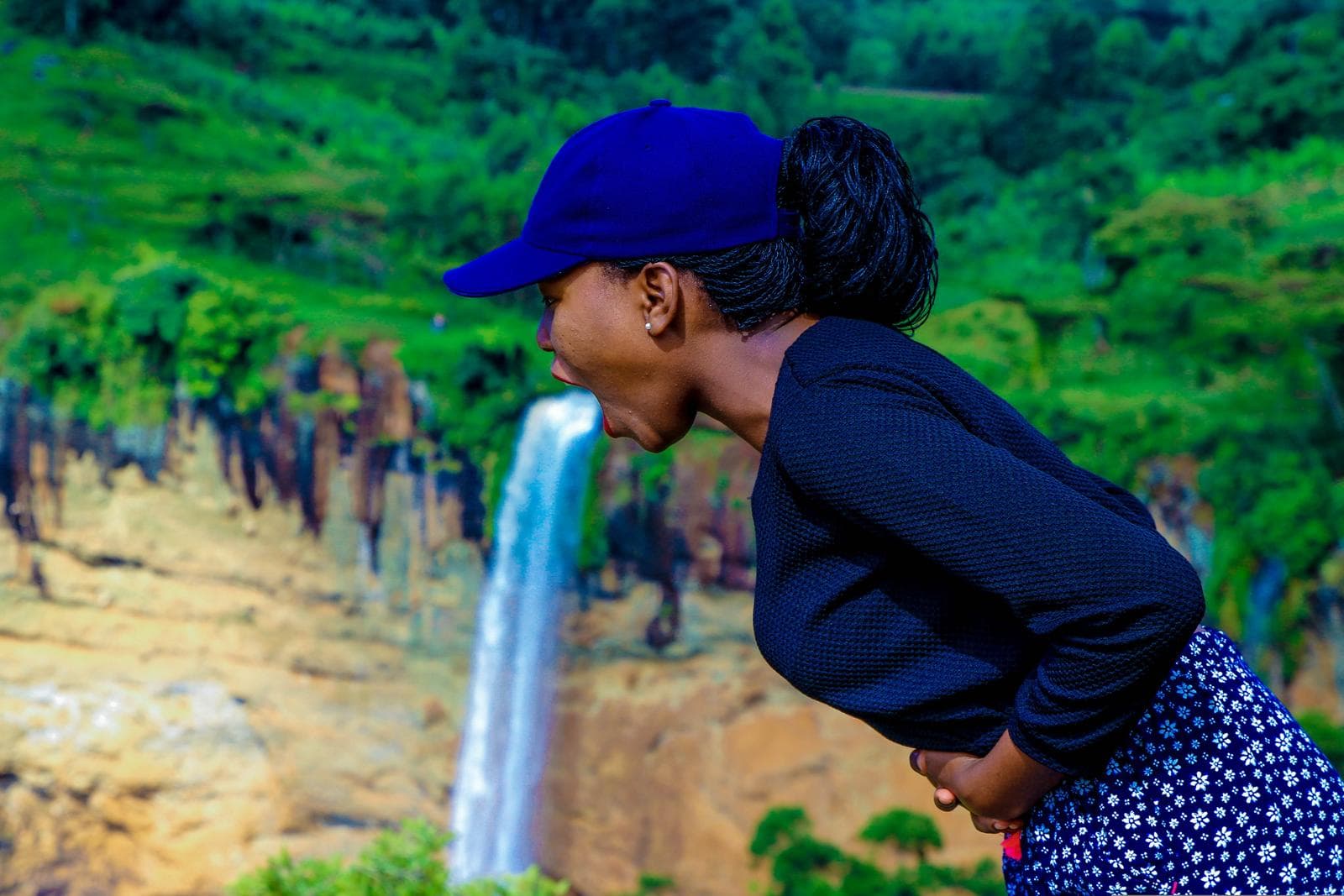
Sipi Falls is a stunning waterfall located in eastern Uganda, near the town of Kapchorwa. It is considered one of the most beautiful natural attractions in the country and draws tourists from all over the world. The falls are part of the Sipi River, which originates from Mount Elgon, an extinct volcano that straddles the border between Uganda and Kenya.
View park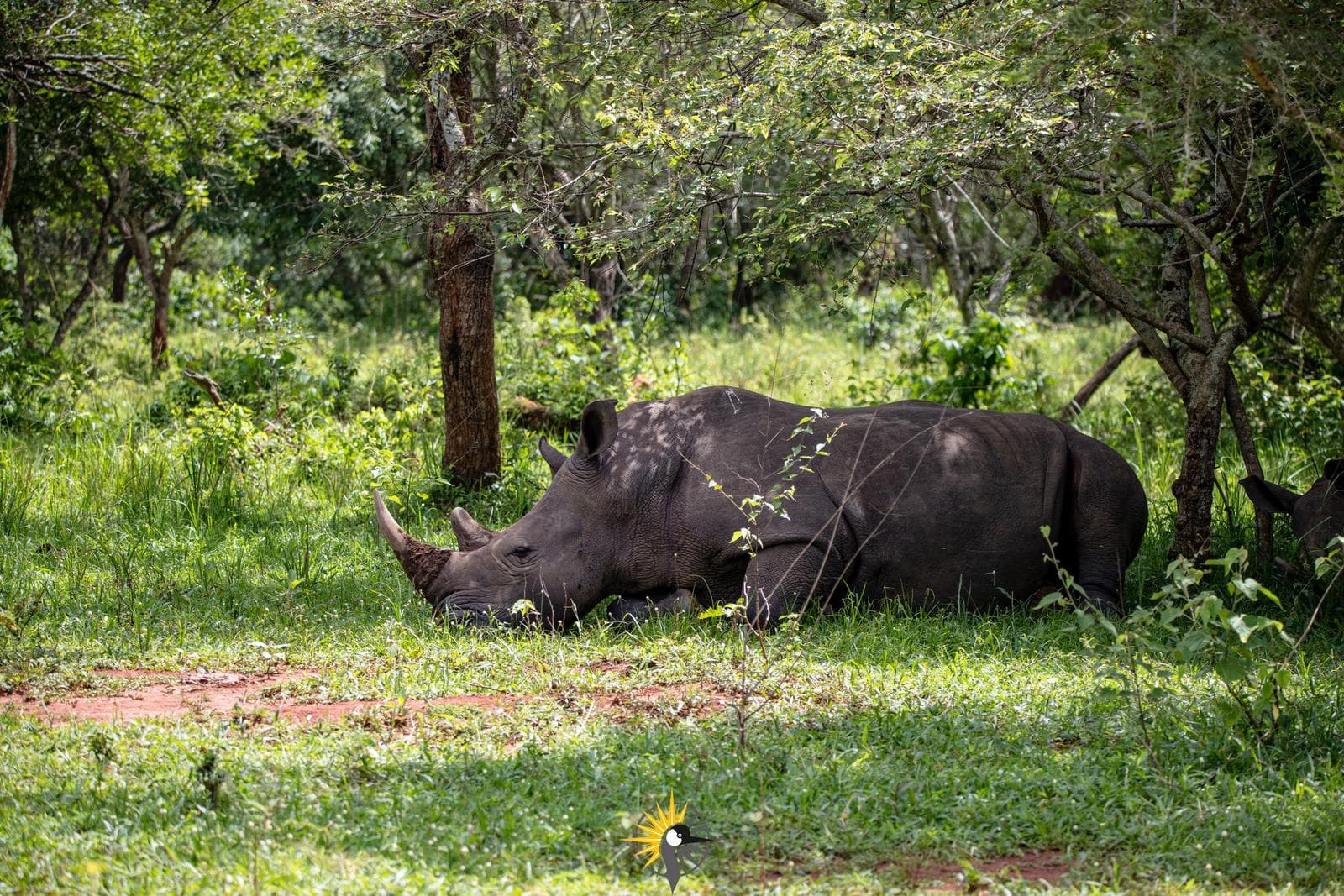
Zziwa Rhino Sanctuary
The Zziwa Rhino Sanctuary is a protected area located in Nakasongola district, Uganda. It was established in 2005 with the primary objective of reintroducing and conserving the endangered southern white rhinoceros (Ceratotherium simum) in Uganda.
View park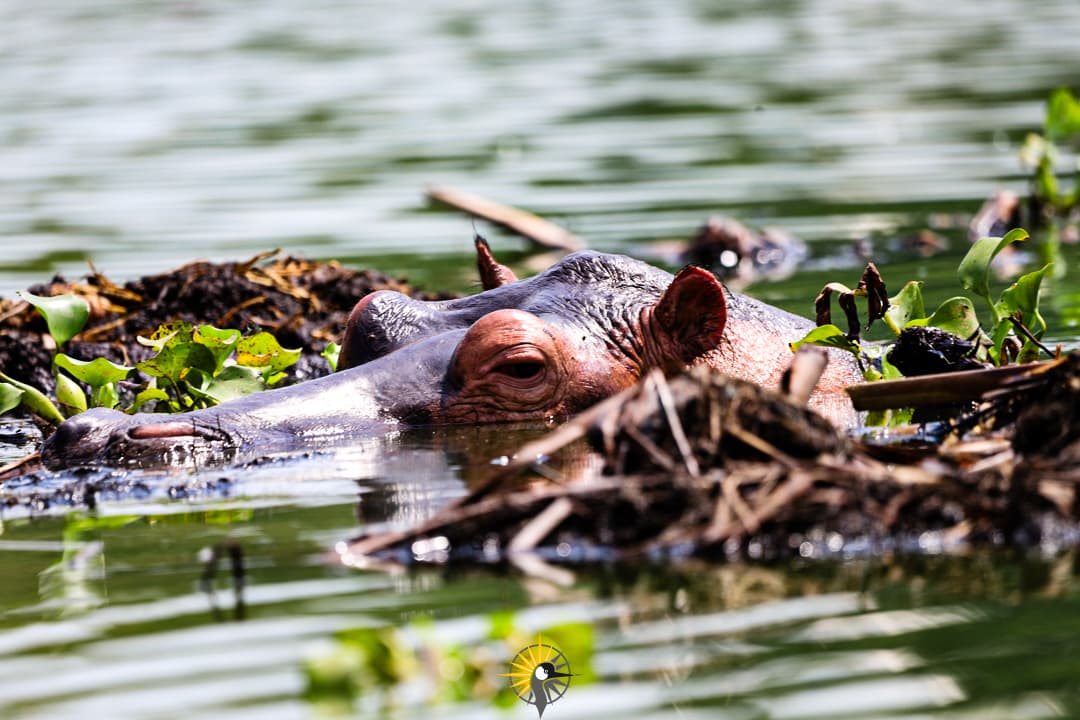
Kazinga channel
Explore the Kazinga Channel with Musana Tours and Travel. Enjoy boat safaris, hippos, crocodiles, elephants, and spectacular birdlife in Queen Elizabeth National Park.
View parkNews and Updates
Uganda, Rwanda Primate Trekking and African Safari Packing List
Plan your Uganda and Rwanda safari with a practical packing list for gorilla, chimpanzee and golden monkey trekking, game drives and changing weather.
Read more
Cash Payments and US Dollar Guidelines
Learn how to pay your safari balance in Uganda, Rwanda and Tanzania, including US dollar cash requirements, card payments, fees and local currencies.
Read more
Entebbe for the Seasoned Traveler: Where to Stay, Drink Coffee and Spend Your Time
Discover the best places to stay, drink Ugandan coffee and explore Entebbe, from Lake Victoria cruises and botanical gardens to shoebill tracking and conservation experiences. For many visitors, Entebbe is simply the place where their flight lands before they continue to Kampala, Bwindi, Murchison Falls, or another part of Uganda. Experienced travelers know better. Set along the northern shores of Lake Victoria, Entebbe offers something increasingly rare in modern travel: a gentle arrival. Its leafy streets, tropical gardens, lakeside restaurants, historic institutions, and unhurried atmosphere provide a welcome transition between an international flight and the intensity of an African safari. Entebbe does not demand that you rush from one attraction to another. It rewards travelers who stay for a night or two, recover from the journey, drink good Ugandan coffee, and explore at a considered pace.
Read more