Semliki National Park
Size 220km²
Altitude 670-760m above sea level
Semuliki Forest Reserve was created in 1932 and upgraded to national park status in 1993. It is the only tract of true lowland tropical forest in East Africa, hosting 441 recorded bird species and 53 mammals.
Large areas of this low-lying park may flood during the wet season, a brief reminder of the time when the entire valley lay at the bottom of a lake for seven million years.
Four distinct ethnic groups live near the park - Bwamba farmers live along the base of the Rwenzori, while the Bakonzo cultivate the mountain slopes. Batuku cattle keepers inhabit the open plains, and Batwa pygmies, traditionally hunter-gatherers, live on the edge of the forest.
Semuliki National Park sprawls across the floor of the Semuliki Valley on the remote, western side of the Rwenzori.
The park is dominated by the easternmost extension of the great Ituri Forest of the Congo Basin. This is one of Africa's most ancient and bio-diverse forests; one of the few to survive the last ice age, 12-18,000 years ago.
The Semuliki River female hot spring
The Semuliki Valley contains numerous features associated with central rather than eastern Africa. Thatched huts are shaded by West African oil palms; the Semuliki River (which forms the international boundary) is a miniature version of the Congo River, the forest is home to numerous Central African wildlife species, and the local population includes a Batwa pygmy community that originated from the Ituri.
As a result, this park offers a taste of Central Africa without leaving Uganda. While Semuliki species have been accumulating for over 25,000 years, the park contains evidence of even older processes. Hot springs bubble up from the depths, demonstrating the powerful subterranean forces that have shaped the rift valley over the last 14 million years.
0 Frequently Asked Questions
Have any inquiries?
Related safaris
11 Days Rwanda, Uganda and Tanzania Gorilla Trekking and Wildlife Safari
12 Days Rwanda, Uganda and Tanzania Primate and Wildlife Safari
14 Days Rwanda, Uganda and Tanzania Primate and Wildlife Safari
Related parks

Pian Upe Game Reserve
Pian Upe Game Reserve is a highly desired tourist destination located in the Karamoja region of northeastern Uganda. This expansive reserve covers an area of approximately 2,788 square kilometers, making it the second-largest protected area in the country.
View park
Lake Mburo national park
20% of the park's entrance fee is used to fund local community projects such as building clinics and schools. Lake Mburo National Park is a compact gem, located conveniently close to the highway that connects Kampala to the parks of western Uganda.
View park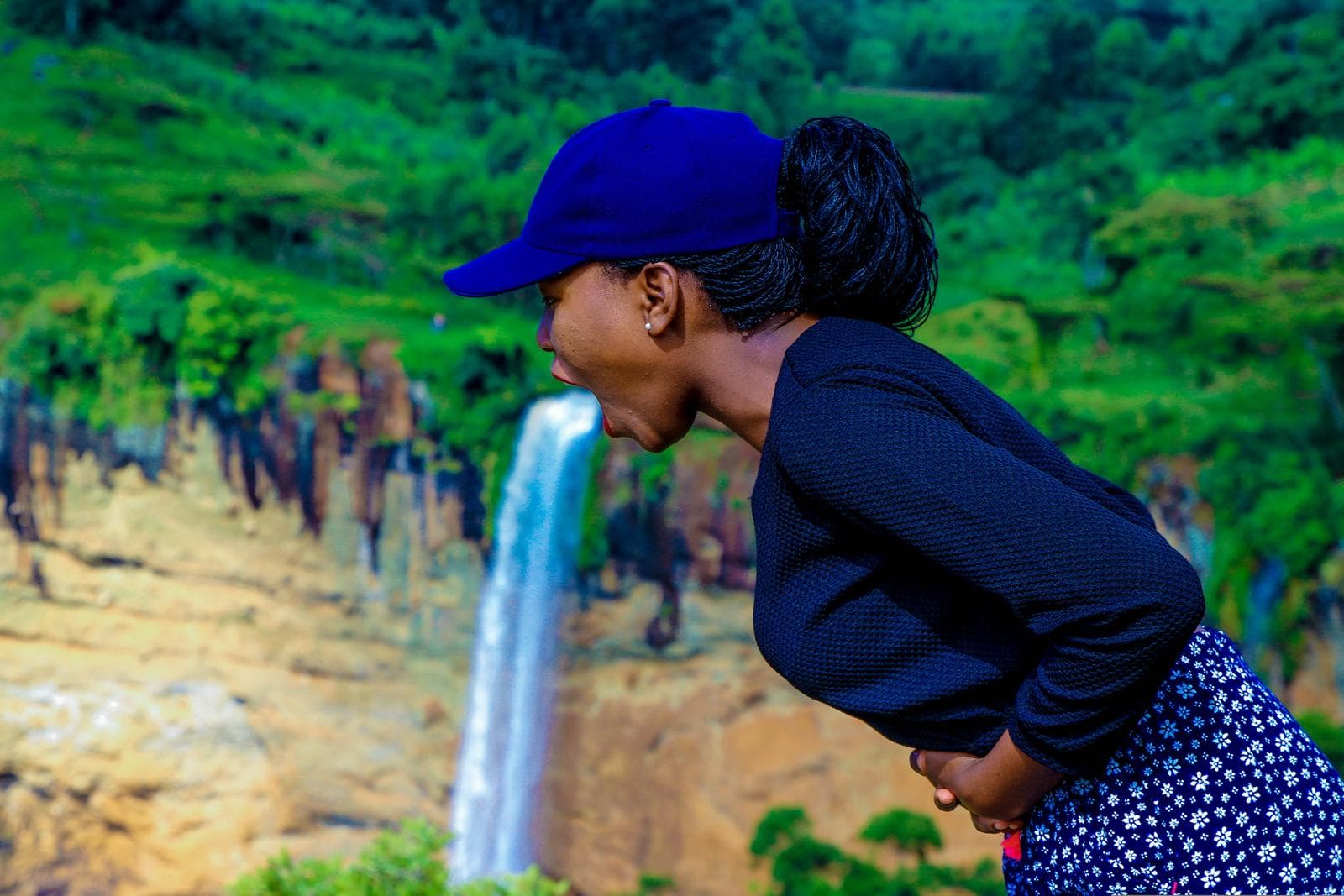
Sipi falls
Sipi Falls is a stunning waterfall located in eastern Uganda, near the town of Kapchorwa. It is considered one of the most beautiful natural attractions in the country and draws tourists from all over the world. The falls are part of the Sipi River, which originates from Mount Elgon, an extinct volcano that straddles the border between Uganda and Kenya.
View parkNews and Updates
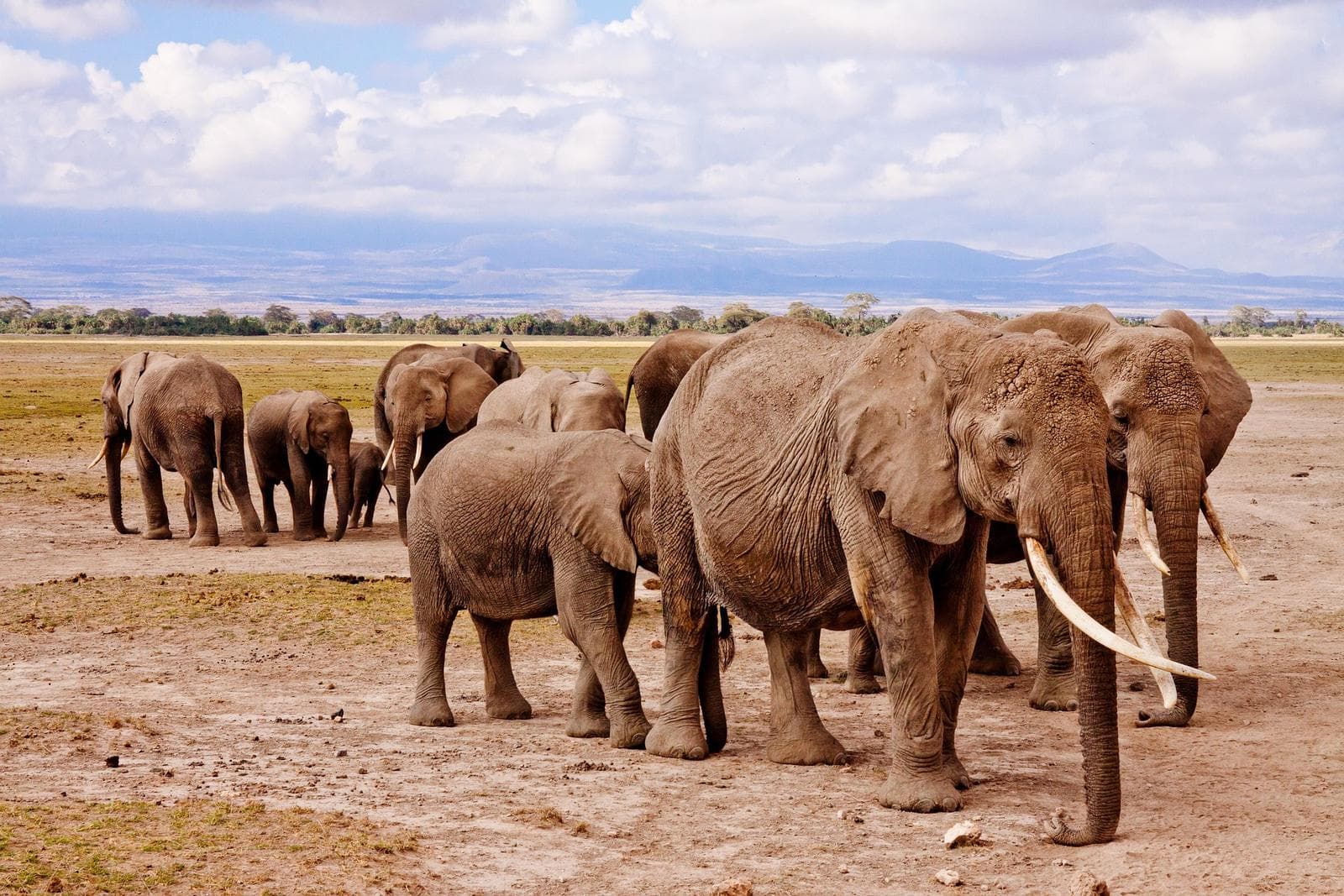
Ndutu Calving Season 2026–2027 | Tanzania Great Migration Safari
Experience the Ndutu wildebeest calving season in Tanzania. Discover the best months for wildlife viewing, predator sightings, and unforgettable Serengeti safaris.
Read more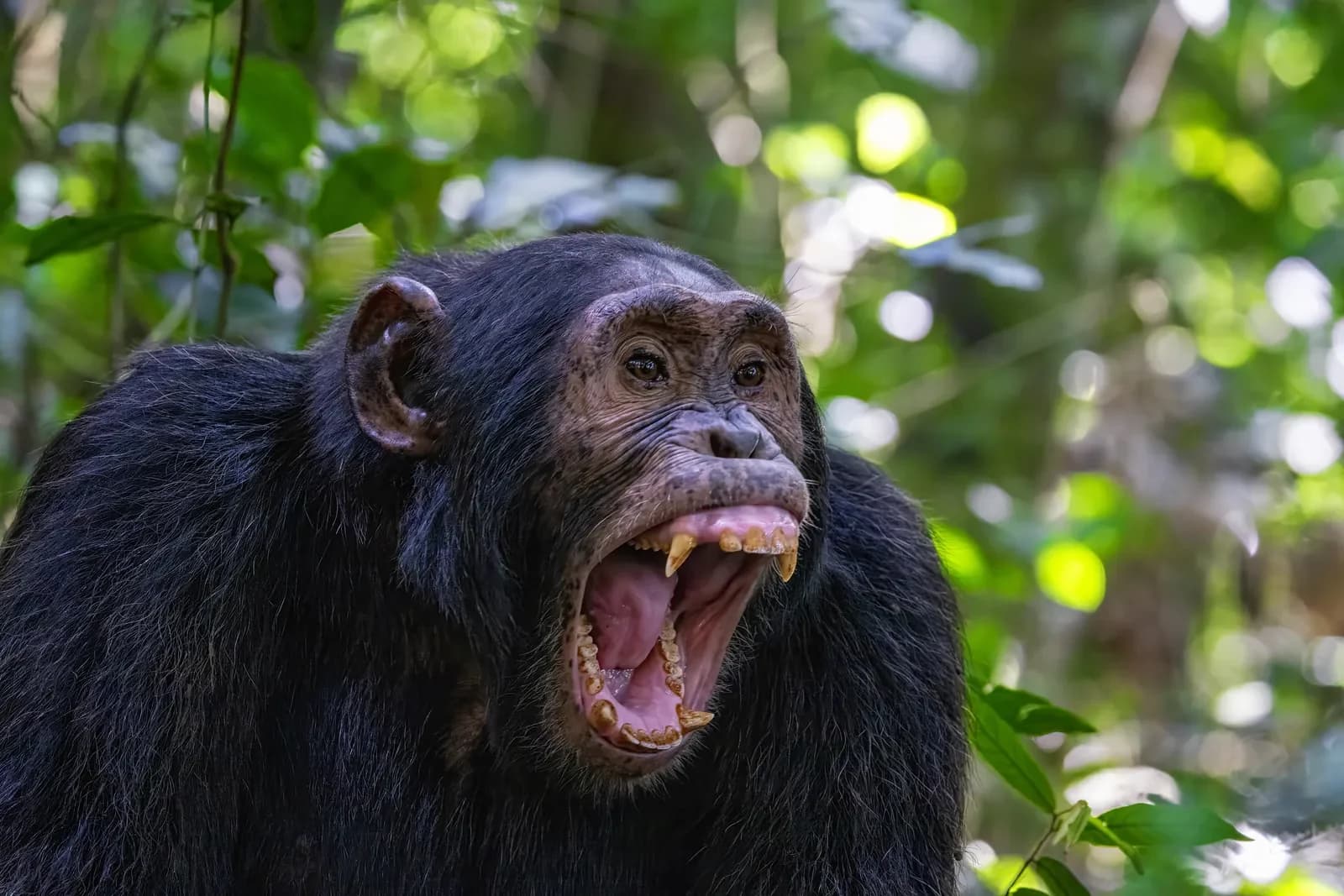
Best Time to Visit Uganda for a Safari: A Month-by-Month Guide
Discover the best time to visit Uganda for a safari. Explore monthly weather, gorilla trekking seasons, wildlife viewing, and expert travel tips.
Read moreUganda, Rwanda Primate Trekking and African Safari Packing List
Plan your Uganda and Rwanda safari with a practical packing list for gorilla, chimpanzee and golden monkey trekking, game drives and changing weather.
Read more