Exploring Uganda's best tourist destinations
Uganda, a land richly endowed with captivating tourist attractions scattered throughout its national parks, boasts a mesmerizing blend of perplexity and burstiness. Discerning travelers from around the globe find themselves irresistibly drawn to these top 10 must-visit destinations when they set foot in Uganda.
Bwindi Impenetrable Forest National Park, the ultimate gorilla trekking destination
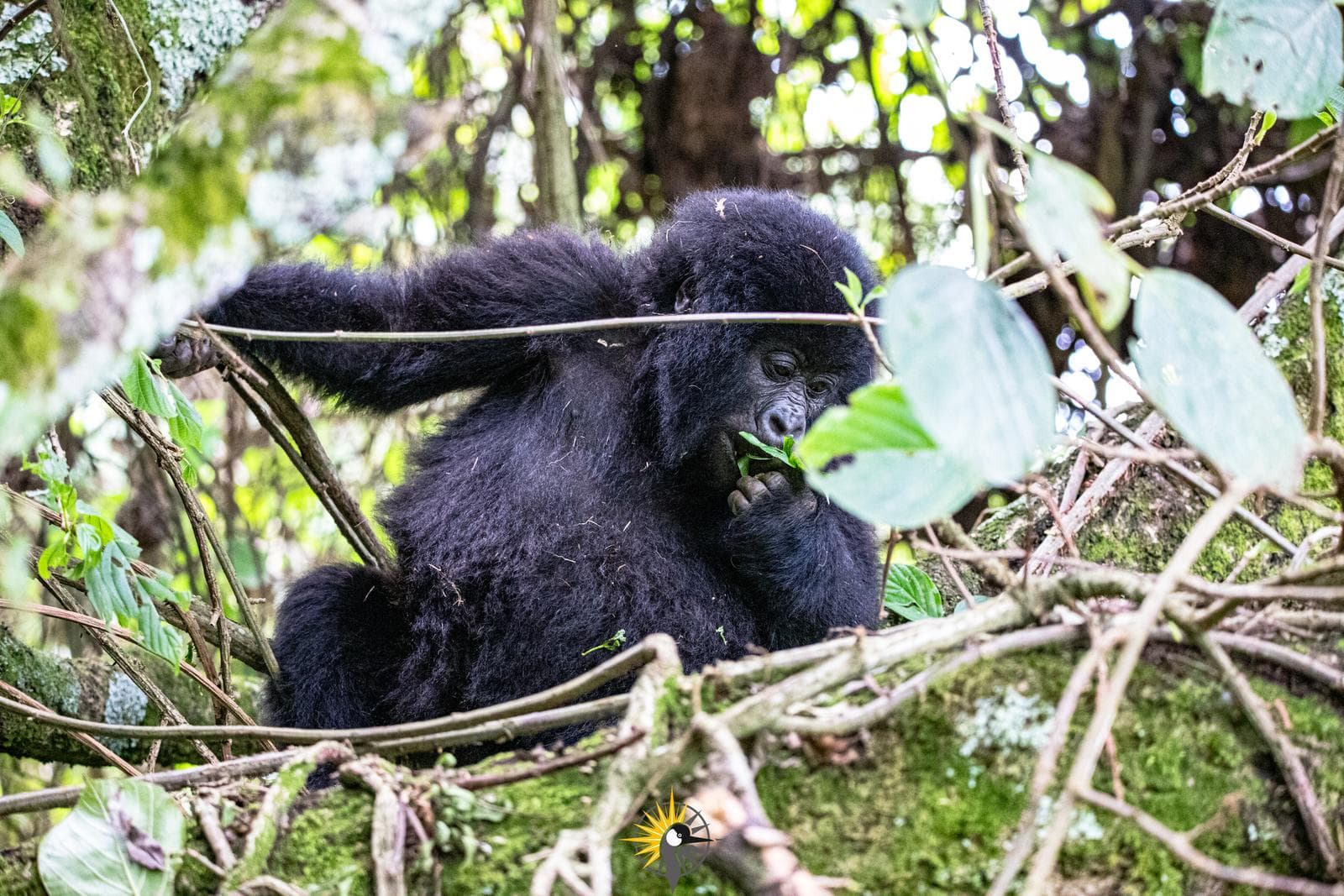
Gazetted in 1991 and sprawling across 321 square kilometers in southwestern Uganda, the mist-laden Bwindi Impenetrable Forest National Park is a sanctuary for over 500 mountain gorillas, constituting more than half of the world's remaining population. These magnificent creatures form the park's main attraction, making it one of Uganda's top 10 tourist hotspots.
Beyond the mountain gorillas, the park teems with approximately 120 mammal species, 360 bird species, 200 butterfly species, and 324 tree species, including 10 exclusive to Bwindi. Embrace the park's abundance by participating in various activities, such as gorilla trekking, a Buninga Forest walk, exploration of the Nkuringo Cultural Center, a Rubuguri village walk, the Nyundo Community Eco-trails, and NCCDF experiences.
Kibale Forest National Park, the primate capital of the world
Gazetted in 1932 and spanning 795 square kilometers in western Uganda, Kibale Forest National Park reigns as one of Africa's premier research sites for chimpanzees, primates, ecosystems, and wild pigs.
Its southern expanse meets with Queen Elizabeth National Park, forming a 180km wildlife corridor that stretches from the Ishasha sector to the distant southern realms of Queen Elizabeth National Park, with Sebitoli Forest gracing the northern territories of Kibale.
Enchanting visitors with its verdant tropical rainforest and pleasant climate, Kibale is a haven for L'Hoest's monkeys, red colobus monkeys, black and white colobus, red-tailed monkeys, blue monkeys, olive baboons, golden cats, red and blue duikers, bush babies, and an array of avian wonders. Spotting buffaloes, leopards, and elephants adds to the park's allure, although the diverse world of reptiles and butterflies often eludes the casual observer.
Queen Elizabeth National Park, A medley of wonders
Stretching across the districts of Kasese, Bundibugyo, Rukungiri, Kamwenge, and Bushenyi in western Uganda, the sprawling 1,978 square kilometers of Queen Elizabeth National Park boast a captivating history.
Originally existing as Lake Edward and Lake George Game Reserves in the 1920s, it was later gazetted as Kazinga National Park in 1952 and eventually named Queen Elizabeth National Park in honor of the visiting British monarch.
Regarded as one of Africa's most popular tourist destinations, Queen Elizabeth National Park lives up to its moniker as a "medley of wonders." Within its borders, a rich diversity of big game, 10 primate species, and over 600 bird species thrive.
From the mesmerizing Rwenzori Mountains and the serene Kazinga Channel to the vast swamp areas, picturesque crater lakes, and much more, the park captivates every visitor.
In addition to its remarkable wildlife, Queen Elizabeth National Park boasts an enticing heritage and cultural history. Local communities warmly welcome tourists, offering guided tours that allow guests to experience traditional music, storytelling, and other forms of entertainment, leaving them yearning for an encore.
Kidepo Valley National Park, a hidden gem
Gazetted in 1962, Kidepo Valley National Park spans an area of 1,442 square kilometers, with elevations ranging from 914 to 270 meters above sea level. Located in a semi-arid region along Uganda's borders with Sudan and Kenya, the park is situated in a remote and rugged landscape.
This remote and breathtakingly beautiful park remains relatively undiscovered compared to its counterparts, making it an enticing destination for those seeking off-the-beaten-path adventures.
Serving as an ideal habitat for big game and home to over 70 mammal species and 475 bird species, Kidepo Valley National Park encompasses the Kidepo and Narus rivers, which dry up during the arid season.
The park's history dates back to its past as the ancestral home of the Dodoth pastoralists and IK farmers, which was safeguarded from poaching and bush clearing for tsetse fly control through its establishment as a game reserve in 1958 by the British Colonial Government.
While the park welcomes visitors year-round, the best time to explore its wonders is during the dry season.
0 Comments
Write your comment
Top safaris
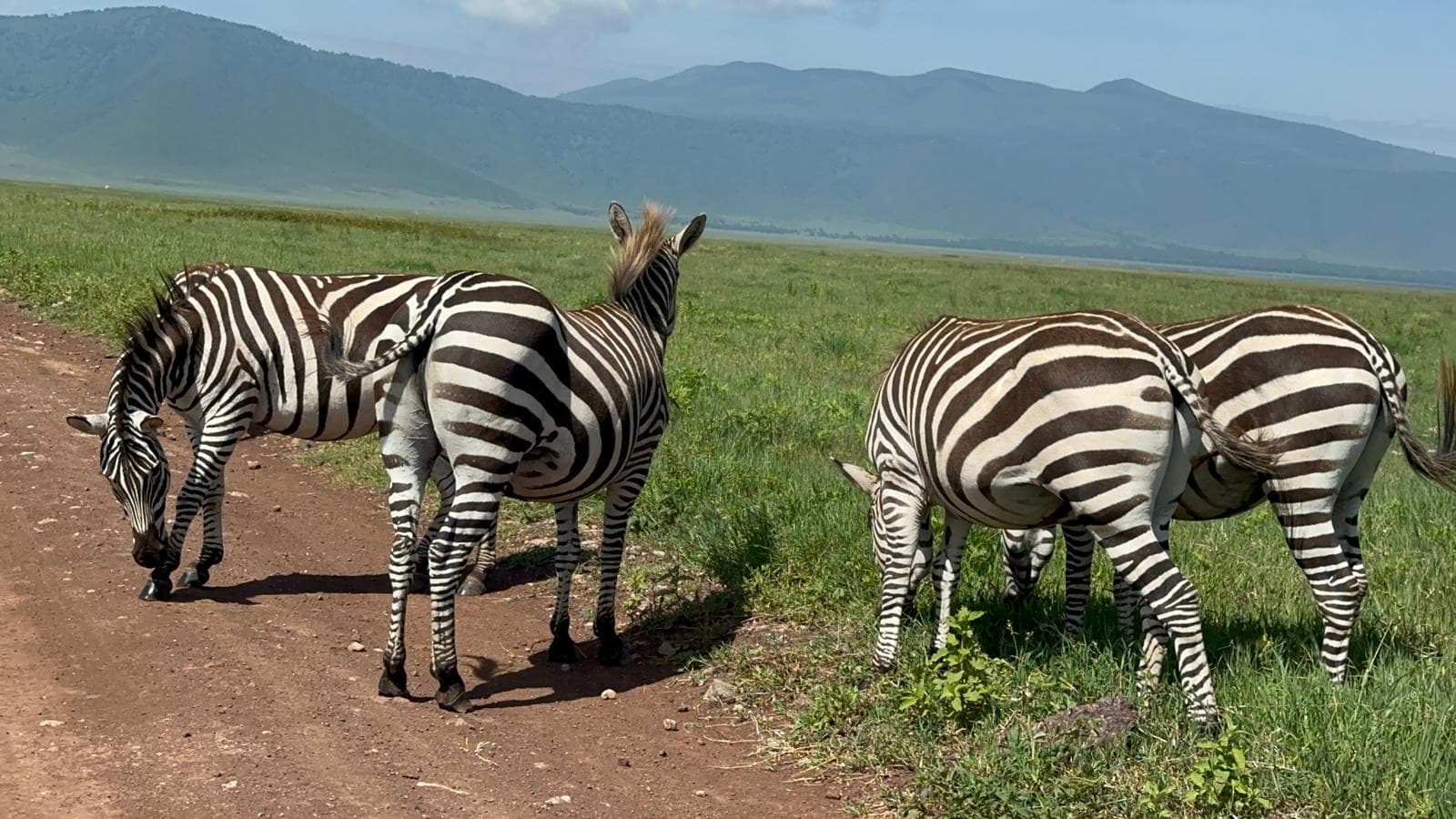
9 Days Gorilla tracking in Uganda, Tarangire, Ngorongoro, and Serengeti National Park in Tanzania
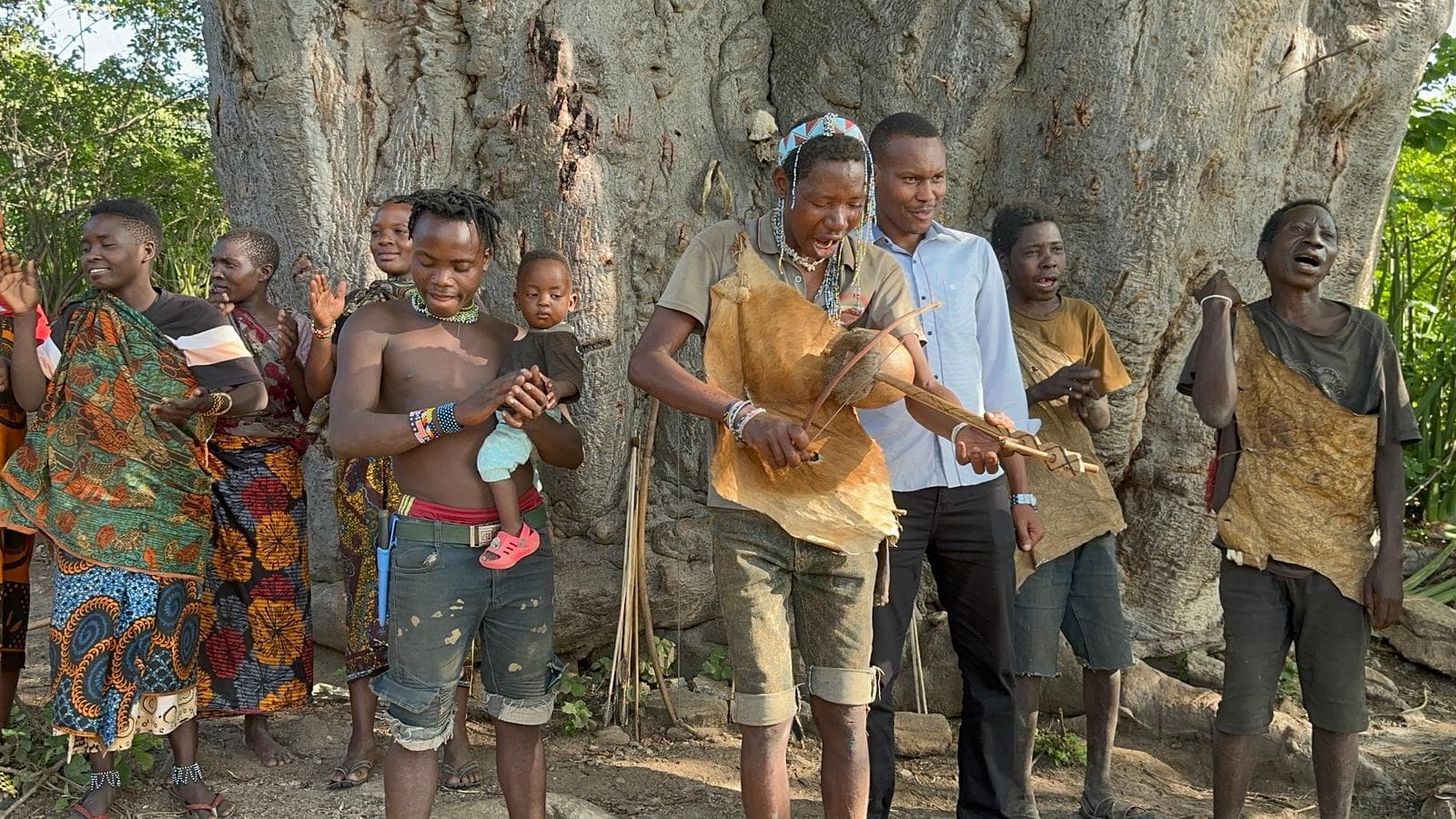
3 Days Hadzabe, Masai and Ngorongoro Crater Safari, Tanzania
21 Days Epic East Africa safari, gorilla trekking in Bwindi, Big Five safaris and Zanzibar Beach escape
News and Updates
Entebbe for the Seasoned Traveler: Where to Stay, Drink Coffee and Spend Your Time
Discover the best places to stay, drink Ugandan coffee and explore Entebbe, from Lake Victoria cruises and botanical gardens to shoebill tracking and conservation experiences. For many visitors, Entebbe is simply the place where their flight lands before they continue to Kampala, Bwindi, Murchison Falls, or another part of Uganda. Experienced travelers know better. Set along the northern shores of Lake Victoria, Entebbe offers something increasingly rare in modern travel: a gentle arrival. Its leafy streets, tropical gardens, lakeside restaurants, historic institutions, and unhurried atmosphere provide a welcome transition between an international flight and the intensity of an African safari. Entebbe does not demand that you rush from one attraction to another. It rewards travelers who stay for a night or two, recover from the journey, drink good Ugandan coffee, and explore at a considered pace.
Read more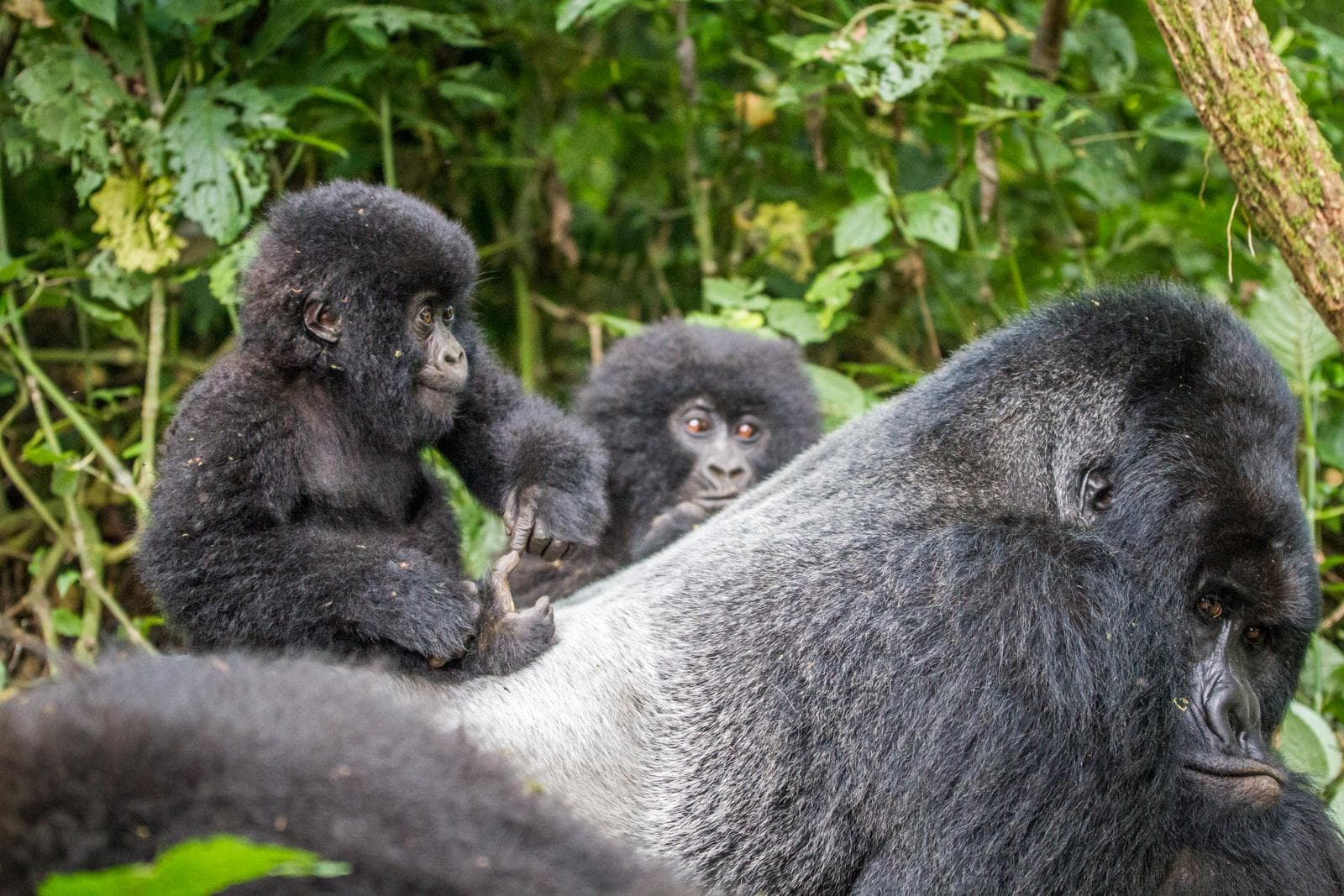
Uganda Wildlife Authority Announces New Permit Tariffs Effective 1 July 2026, What you Need to Know
Discover Uganda Wildlife Authority's 2026 permit prices for gorilla trekking, chimpanzee tracking, and safari experiences. Plan your Uganda adventure today.
Read more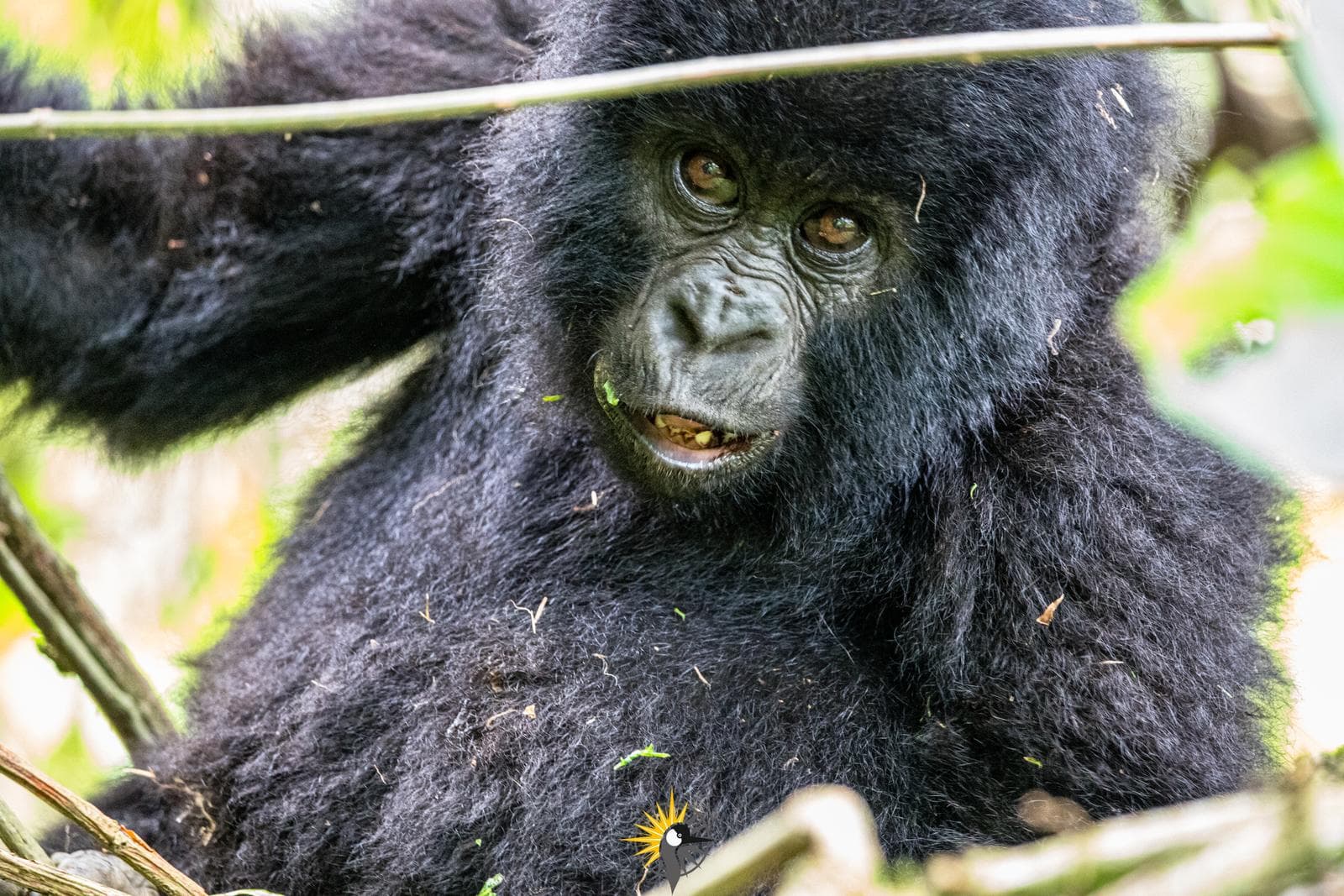
Discounted Gorilla Permits in Uganda 2026, Save on Gorilla Trekking Safaris
Discover discounted Uganda gorilla permits in 2026. Save on trekking in Bwindi & Mgahinga during low season months for an unforgettable safari.
Read more