Kahuzi biega national park
The eastern region of the Democratic Republic of the Congo is one of Africa’s most breathtaking yet underexplored destinations. Known for its lush mountains, expansive forests, and shimmering lakes, this region offers a raw and authentic wilderness experience. The local communities are widely recognized for their warmth and hospitality, making travel here both welcoming and deeply enriching.
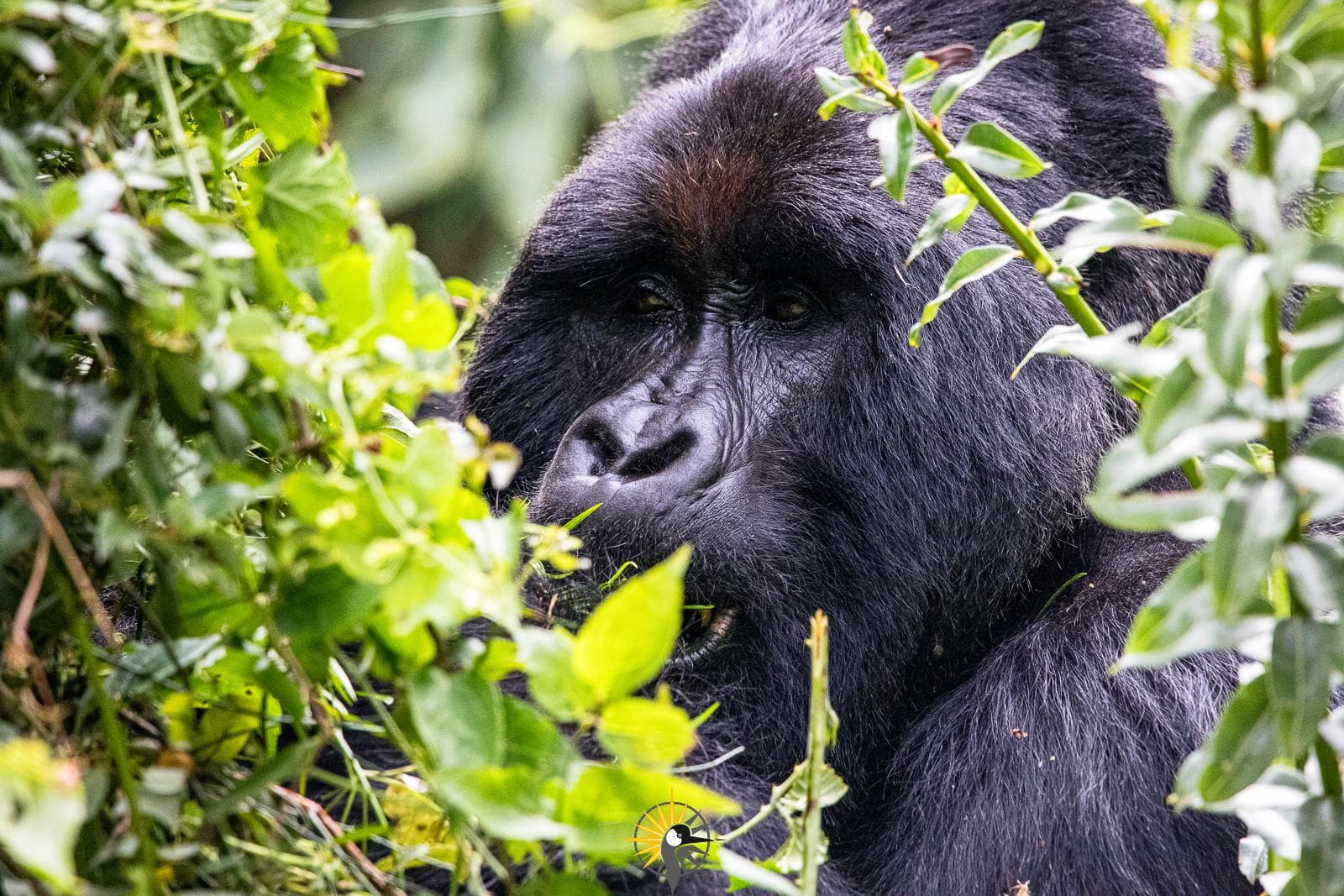
At the heart of this natural beauty lies Kahuzi-Biega National Park, a remarkable conservation area and the last major sanctuary of the endangered eastern lowland gorilla (Grauer’s gorilla)—the largest subspecies of gorilla in the world.
A Sanctuary for Grauer’s Lowland Gorillas
Kahuzi-Biega National Park is globally significant for protecting the Grauer’s lowland gorilla, a species that is not only larger than mountain gorillas but also far more endangered. Unlike the mountain gorillas found in Volcanoes National Park and Bwindi Impenetrable National Park, these gorillas inhabit dense lowland and montane forests.
Once numbering in the thousands, their population has drastically declined due to conflict and habitat loss, with only a few thousand remaining globally. Kahuzi-Biega remains one of the last strongholds for this incredible species, offering rare and meaningful wildlife encounters.
History of Kahuzi-Biega National Park
The origins of the park date back to 1937, when a small zoological and forest reserve was established around Mount Kahuzi. In 1970, it was expanded into a national park under the management of the Institut Congolais pour la Conservation de la Nature.
In 1980, Kahuzi-Biega was designated a UNESCO World Heritage Site, recognizing its exceptional biodiversity and importance as a habitat for eastern lowland gorillas. At that time, the park protected an estimated 200–300 gorillas, primarily in montane forests between 2,100 and 2,400 meters.
Despite challenges from regional instability in the 1990s and early 2000s, conservation efforts continue to protect this unique ecosystem.
Landscape and Geography
Kahuzi-Biega National Park is located approximately 50 kilometers west of Bukavu, near Lake Kivu and the Rwandan border.
The park is divided into two distinct sectors. The highland sector, which is open to visitors, lies within the Mitumba Mountain range, part of the western branch of the Great Rift Valley. This region features extinct volcanic peaks such as Mount Kahuzi (3,308 meters) and Mount Biéga (2,790 meters), surrounded by montane forests, bamboo zones, and subalpine vegetation.
The lowland sector, currently closed to tourism, extends into the Congo Basin and consists of dense equatorial rainforest, river systems, and deep valleys. These two zones are connected by a narrow ecological corridor, creating a diverse “mosaic” of habitats that support a wide range of species.
Rich Biodiversity
Kahuzi-Biega is one of Africa’s most biologically diverse protected areas. In addition to eastern lowland gorillas, the park is home to:
- Eastern chimpanzees
- Forest elephants
- Bush pigs and antelope species
- Numerous primates, including colobus and cercopithecus monkeys
The park is also a haven for birdlife, hosting endemic species such as Rockefeller’s sunbird, Grauer’s broadbill, and Shelley's crimsonwing. Rare mammals like the aquatic civet, giant genet, and owl-faced monkey further highlight its ecological importance.
This incredible biodiversity makes the park a true environmental paradise, particularly for researchers, conservationists, and adventurous travelers.
Local Communities and Culture
Kahuzi-Biega National Park is situated in one of the most densely populated regions of the country. Surrounding the park are rural communities that rely heavily on agriculture and natural resources.
Several ethnic groups, including the Pygmy (Batwa), Barega, and Bashi peoples, live in and around the park. Their traditional livelihoods are based on shifting cultivation and subsistence hunting, and their cultural heritage adds depth to the region’s identity.
Balancing conservation with community needs remains a key challenge, making sustainable tourism an important contributor to both environmental protection and local development.
Travel Experience and Access
Visiting Kahuzi-Biega National Park is considered a high-adventure travel experience, offering something far more raw and untouched than mainstream safari destinations.
The park is accessible by road from Bukavu, with transport options including taxis, buses, and private vehicles. Most international travelers reach the region by flying into Kigali, then connecting to Kamembe (Cyangugu), near the border with DR Congo.
Entry into the Democratic Republic of Congo requires a visa, which must be arranged in advance. Visitors are strongly advised to coordinate travel with official representatives from the Institut Congolais pour la Conservation de la Nature, who facilitate park access and ensure safe border crossings.
Why Visit Kahuzi-Biega National Park
Kahuzi-Biega offers a rare combination of untouched wilderness, rich biodiversity, and cultural authenticity. Unlike more commercial safari destinations, it provides a deeper, more immersive experience for travelers seeking something unique.
Tracking Grauer’s lowland gorillas in their natural habitat is a highlight, offering a powerful and intimate encounter with one of the world’s most endangered primates. Combined with its dramatic landscapes and welcoming communities, the park stands out as one of Africa’s most extraordinary hidden gems.
Conclusion
Kahuzi-Biega National Park is a testament to the beauty and resilience of nature in the eastern Congo. From its towering volcanic peaks to its dense rainforests and rare wildlife, it represents one of Africa’s last true wilderness frontiers.
For those willing to venture off the beaten path, this remarkable destination offers not just a safari but a profound journey into one of the most unique ecosystems on the continent.
0 Frequently Asked Questions
Have any inquiries?
Related safaris
9 Days Gorilla tracking in Uganda, Tarangire, Ngorongoro, and Serengeti National Park in Tanzania
3 Days Hadzabe, Masai and Ngorongoro Crater Safari, Tanzania
21 Days Epic East Africa safari, gorilla trekking in Bwindi, Big Five safaris and Zanzibar Beach escape
Related parks
View safari destinations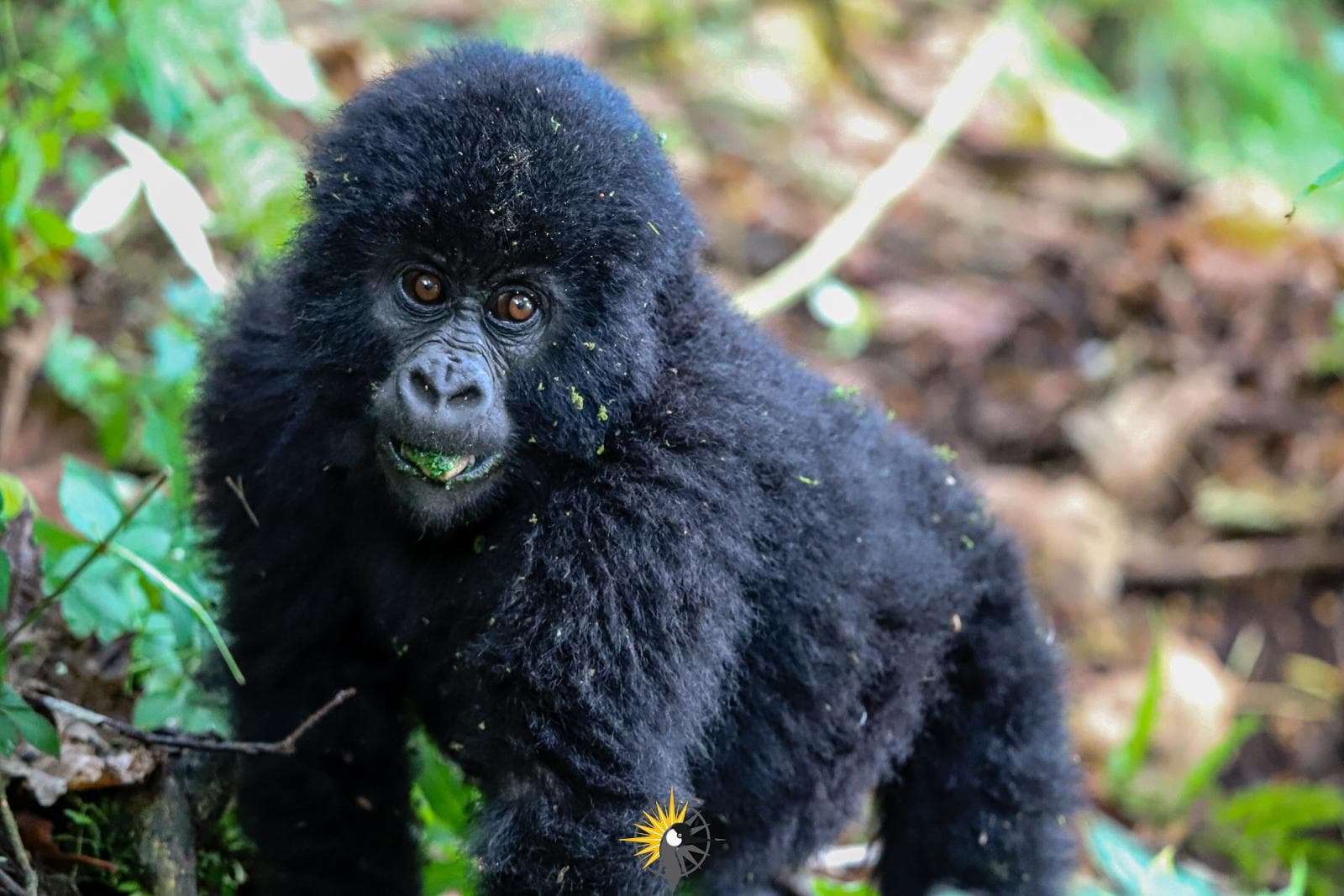
News and Updates
Uganda, Rwanda Primate Trekking and African Safari Packing List
Plan your Uganda and Rwanda safari with a practical packing list for gorilla, chimpanzee and golden monkey trekking, game drives and changing weather.
Read more
Cash Payments and US Dollar Guidelines
Learn how to pay your safari balance in Uganda, Rwanda and Tanzania, including US dollar cash requirements, card payments, fees and local currencies.
Read more
Entebbe for the Seasoned Traveler: Where to Stay, Drink Coffee and Spend Your Time
Discover the best places to stay, drink Ugandan coffee and explore Entebbe, from Lake Victoria cruises and botanical gardens to shoebill tracking and conservation experiences. For many visitors, Entebbe is simply the place where their flight lands before they continue to Kampala, Bwindi, Murchison Falls, or another part of Uganda. Experienced travelers know better. Set along the northern shores of Lake Victoria, Entebbe offers something increasingly rare in modern travel: a gentle arrival. Its leafy streets, tropical gardens, lakeside restaurants, historic institutions, and unhurried atmosphere provide a welcome transition between an international flight and the intensity of an African safari. Entebbe does not demand that you rush from one attraction to another. It rewards travelers who stay for a night or two, recover from the journey, drink good Ugandan coffee, and explore at a considered pace.
Read more