Meru National Park
Nestled in the eastern foothills of Mount Kenya, Meru National Park is one of East Africa’s most underrated gems. Spanning over 870 square kilometers, this pristine wilderness is marked by dramatic landscapes, lush riverine forests, vast savannahs, and untamed wildlife experiences. Far from the crowds of the Masai Mara or Amboseli, Meru offers a raw, authentic safari where nature unfolds in its purest form.
A Rich History and Untouched Beauty
Meru National Park gained worldwide attention as the home of Elsa the lioness, made famous by Joy Adamson’s book Born Free. Today, the park continues to honor that legacy of conservation and freedom, offering a sanctuary for some of Africa’s most iconic species.
Despite a troubled past in the late 20th century due to poaching and instability, Meru has seen a remarkable resurgence. Thanks to conservation efforts and improved infrastructure, it now stands as a beacon of biodiversity and ecological balance.
Wildlife and Birdlife of Meru
Meru is home to a wide variety of wildlife species, both large and small. Sightings of elephants, lions, cheetahs, leopards, and buffalo are common, while the white rhino and black rhino thrive in the secure rhino sanctuary within the park.
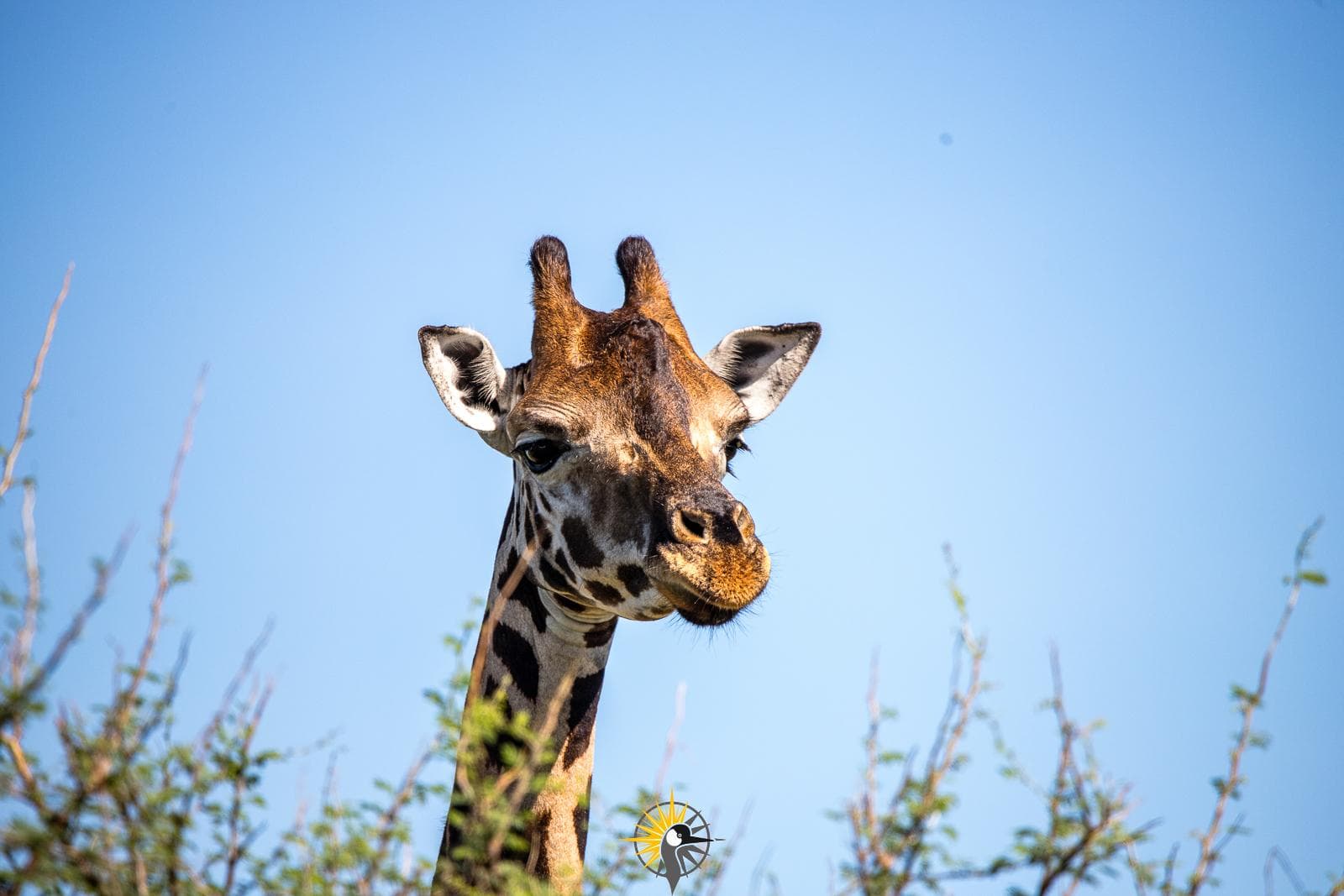
Unique species such as the Grevy’s zebra, reticulated giraffe, Bechuanaland oryx, and lesser kudu highlight Meru’s status as a convergence zone for Kenya’s northern and central fauna. For predators, Meru is one of the few parks in East Africa where lions, cheetahs, and leopards are frequently seen on a single trip.
For birders, Meru is a paradise. With over 400 recorded bird species, it features everything from Pel’s fishing owl, vulturine guineafowl, African finfoot, to a wide range of kingfishers, bee-eaters, and waterbirds that thrive along the Tana and Ura rivers.
Unique Landscape and Ecosystems
What sets Meru apart is its diversity of ecosystems. The park is traversed by 13 rivers and streams, making it one of Kenya’s lushest protected areas. The rivers are lined with doum palms and riverine forests, providing an essential refuge for aquatic life and bird species.
To the north, arid scrubland gives way to open savannah grasslands, home to herds of antelope and grazing elephants. The southern part is more wooded, attracting browsers like giraffes and dik-diks. This mixture of landscapes makes Meru one of the most ecologically varied parks in Kenya.
Safari activities in Meru National Park
While game drives remain the primary safari activity, Meru offers more than just wildlife viewing:
For the more adventurous, fishing is also permitted in designated areas, primarily along the Tana River.
Best Time to Visit
The ideal time to visit Meru National Park is during the dry seasons from June to September and December to February. During these months, wildlife is easier to spot as vegetation thins and animals gather around water sources. However, the park remains open year-round, with fewer crowds in the wet season offering a more intimate experience.
Getting there
Meru is accessible by both road and air. From Nairobi, it takes approximately 6–7 hours by car, passing through the towns of Embu and Meru. Alternatively, chartered flights can land at Elsa’s Kopje Airstrip or Mulika Lodge Airstrip, shortening the journey to just under an hour.
Conservation and Community
Meru’s revival is a testament to effective conservation partnerships. Kenya Wildlife Service (KWS) and various NGOs have played vital roles in anti-poaching efforts, habitat restoration, and community engagement. Today, local communities around the park benefit from tourism through employment, cultural exchanges, and education programs.
Travelers are encouraged to visit local villages or support community-led projects, enhancing their experience while contributing to sustainable tourism.
Why choose Meru over other parks?
Meru offers something that many parks in Kenya no longer can—solitude. While places like the Mara or Amboseli can become crowded during peak seasons, Meru often feels like a private wilderness. Game drives are rarely interrupted by other vehicles, giving visitors a chance to connect with nature uninterrupted.
For those seeking a deeper, less commercialized safari, where encounters are wild, and landscapes feel untouched, Meru National Park is a compelling choice.
Meru National Park is more than just a safari destination—it’s a story of renewal, resilience, and raw natural beauty. Whether you're a first-time visitor to Kenya or a seasoned wildlife photographer, Meru offers a powerful reminder of Africa’s untamed spirit.
From lion prides resting in acacia shade to the chorus of birds along the riverbanks, Meru invites you to slow down, observe, and reconnect with nature on its terms.
0 Frequently Asked Questions
Have any inquiries?
Related safaris
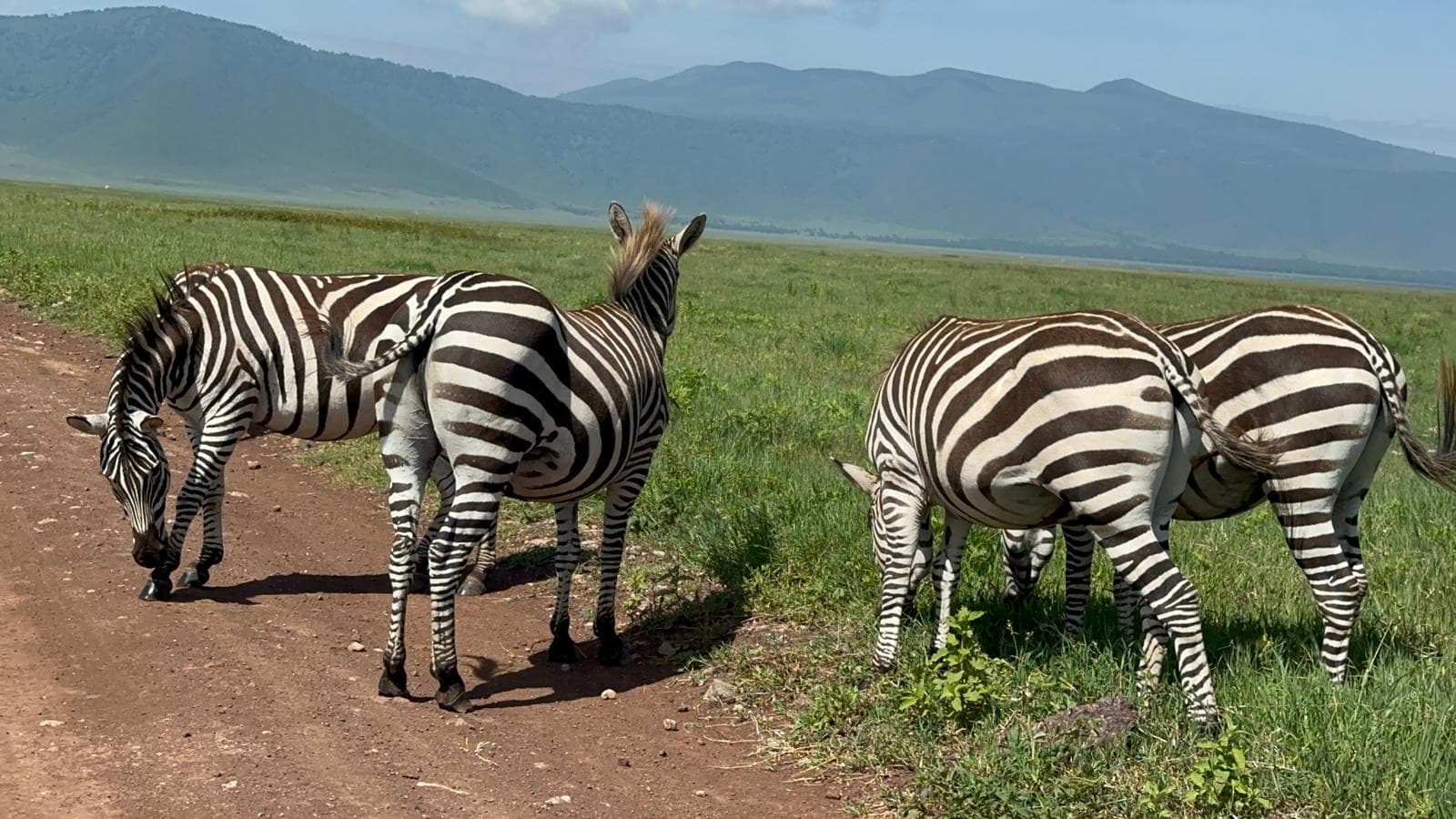
9 Days Gorilla tracking in Uganda, Tarangire, Ngorongoro, and Serengeti National Park in Tanzania
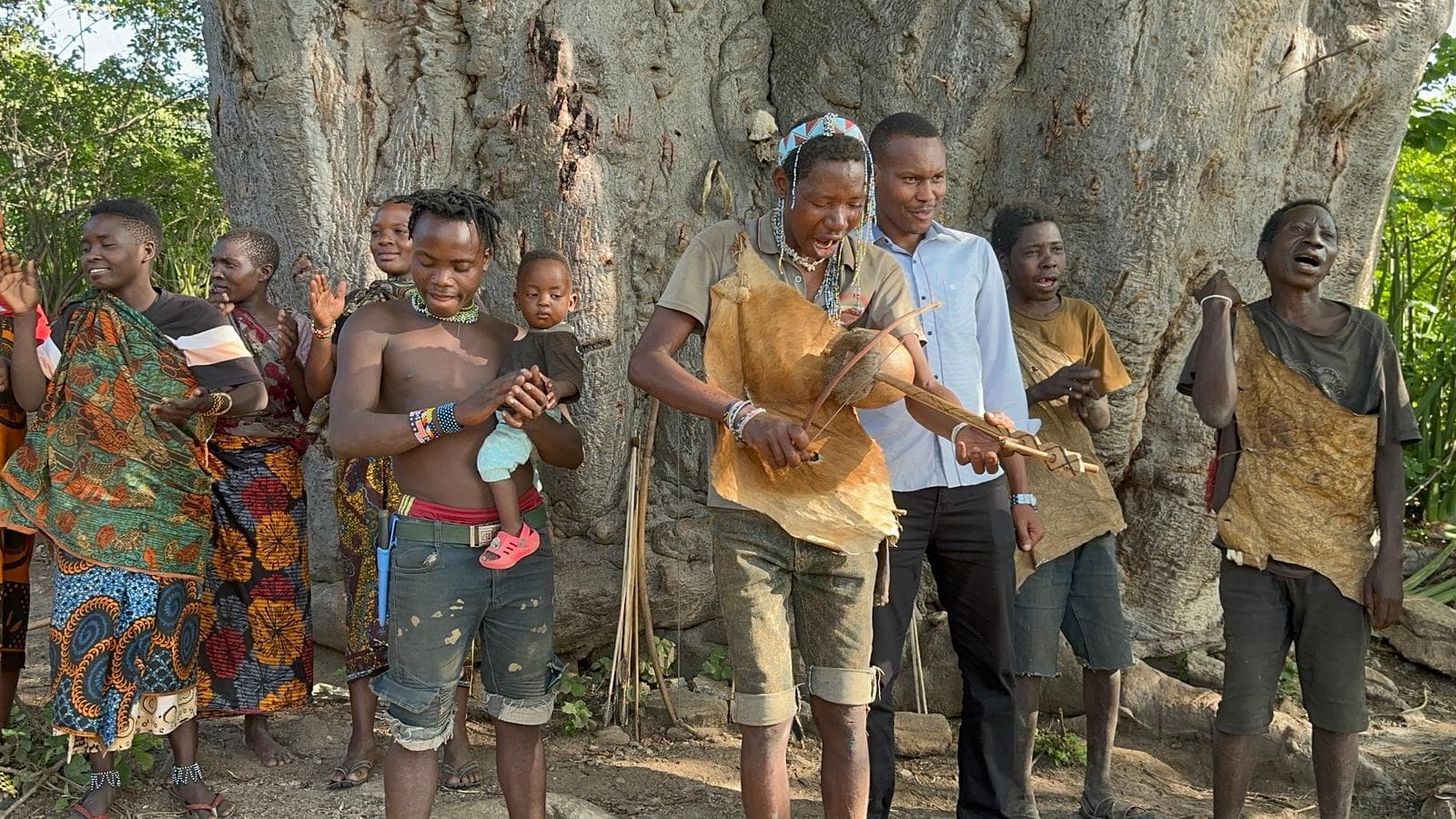
3 Days Hadzabe, Masai and Ngorongoro Crater Safari, Tanzania
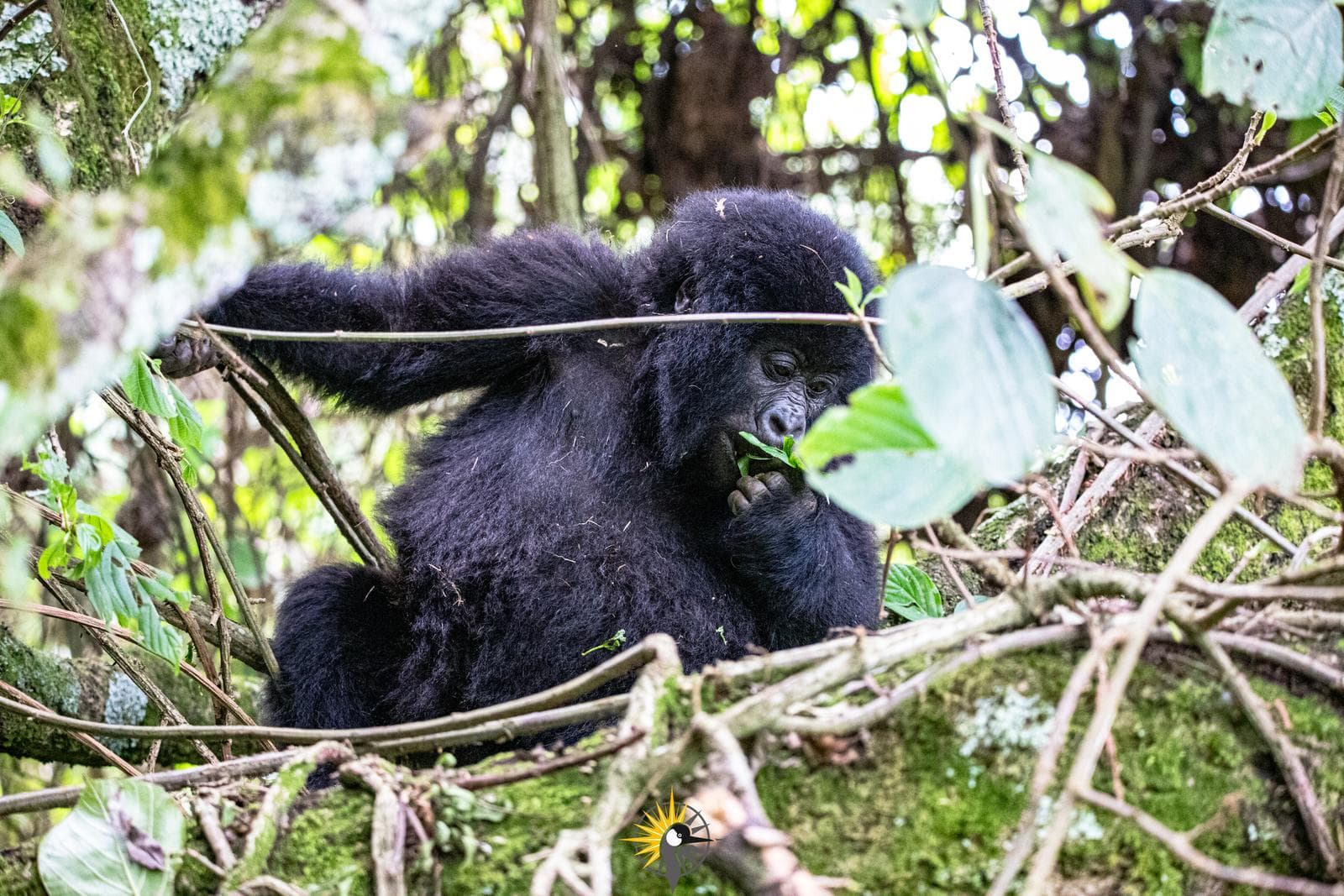
21 Days Epic East Africa safari, gorilla trekking in Bwindi, Big Five safaris and Zanzibar Beach escape
Related parks
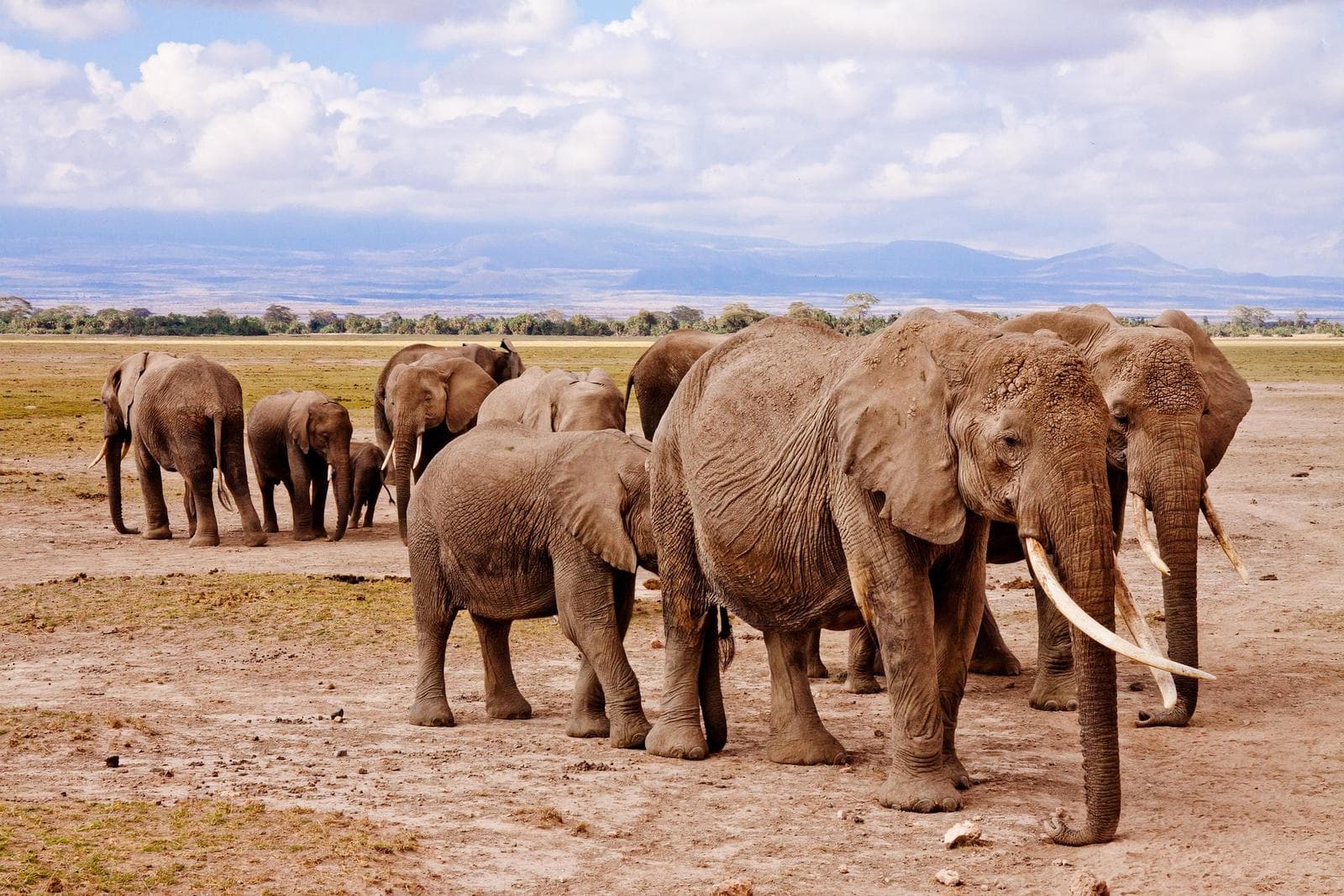
Amboseli National Park
Amboseli National Park, a celebrated wildlife sanctuary in Kenya, is a destination that captures the essence of Africa’s untamed beauty. Spanning over 390 square kilometers, this UNESCO Biosphere Reserve is famed for its close-up encounters with free-ranging elephants and the awe-inspiring backdrop of Mount Kilimanjaro, Africa's highest peak.
View park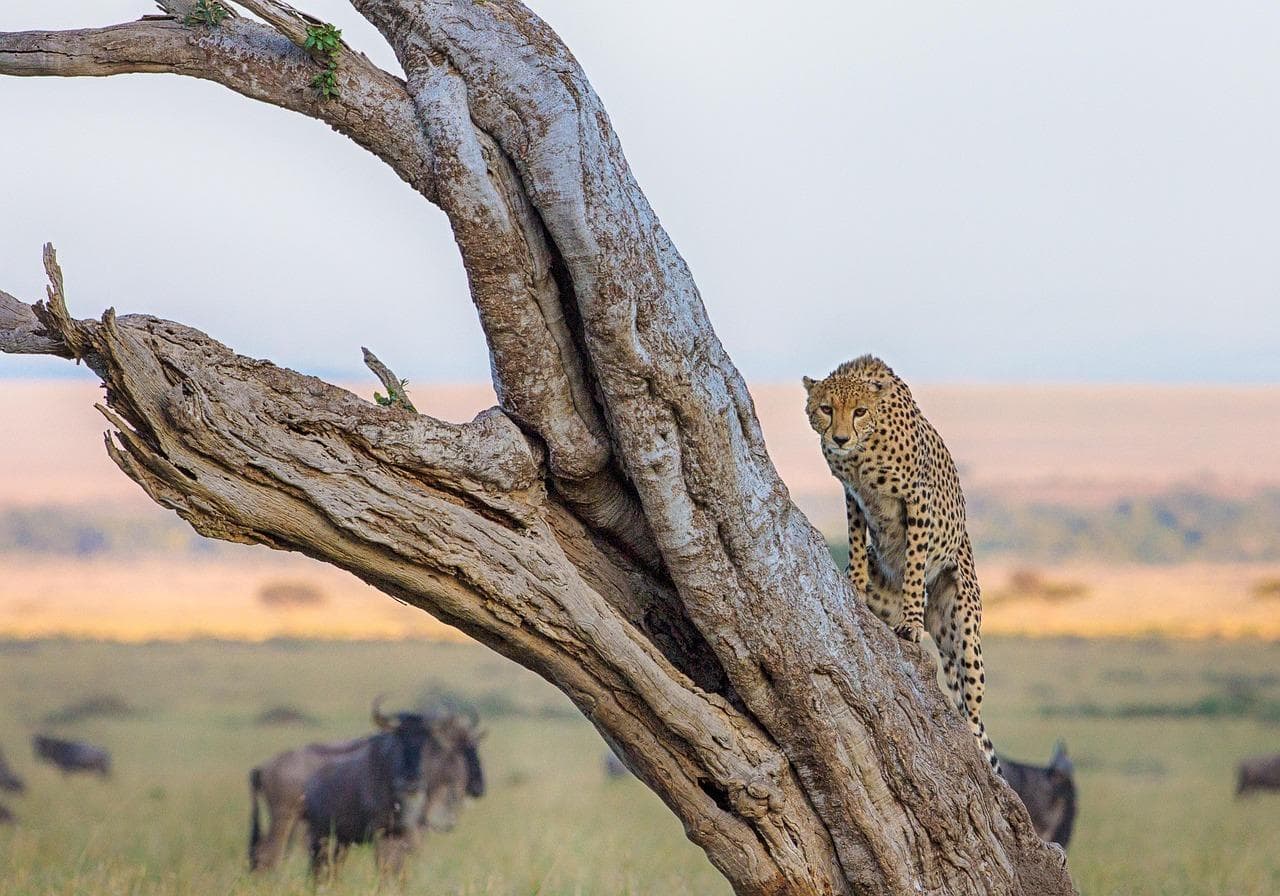
Masai Mara National Reserve
The Masai Mara National Reserve, located in southwestern Kenya, is one of the world’s most renowned wildlife reserves. This vast expanse of savannah and rolling hills offers tourists an incredible safari experience, thanks to its rich biodiversity, dramatic landscapes, and the famous Great Migration.
View park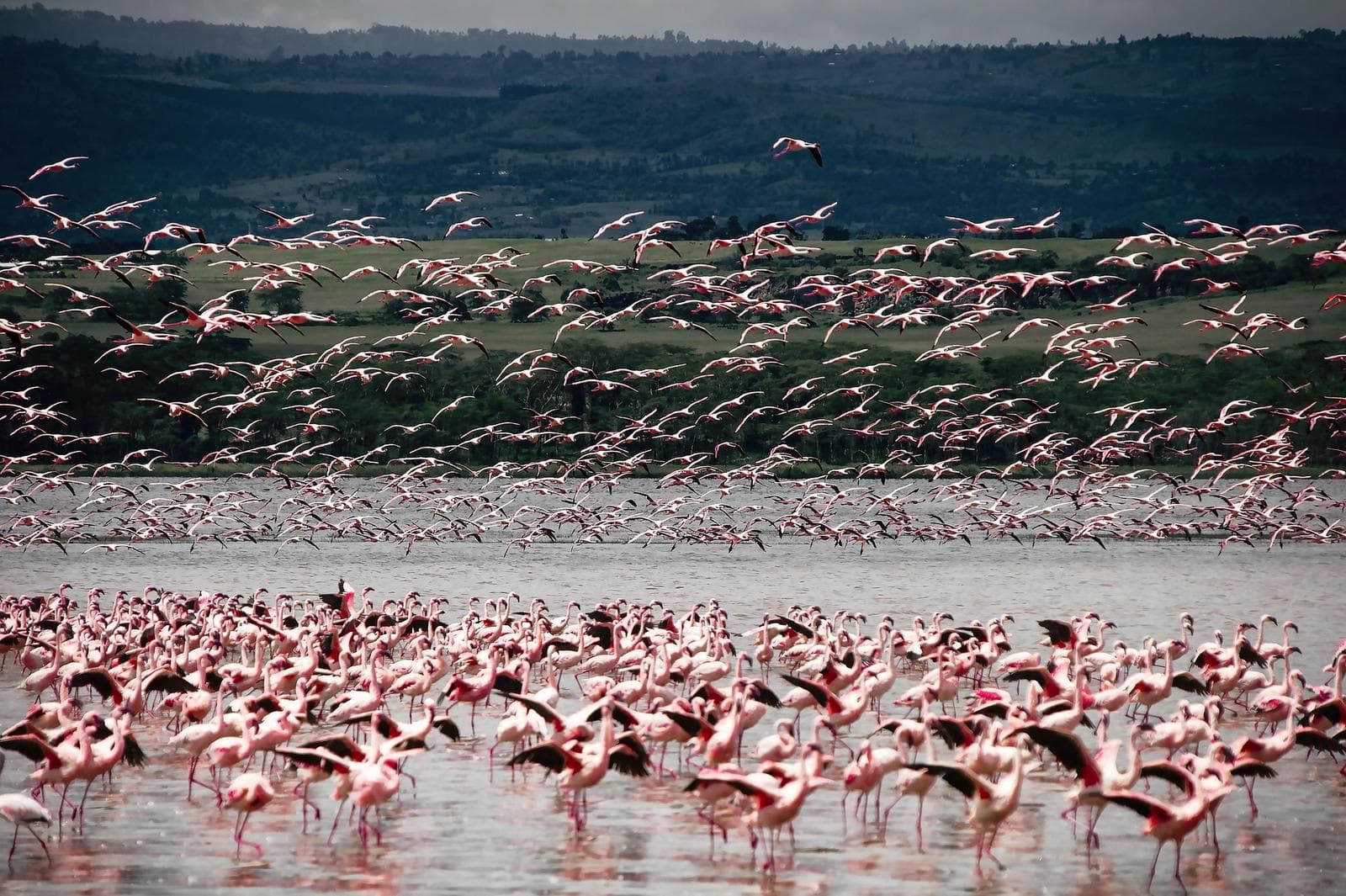
Lake Nakuru National Park
Lake Nakuru National Park is one of Kenya’s most remarkable wildlife destinations. Renowned for its breathtaking flamingo populations, diverse wildlife, and picturesque landscapes,
View parkNews and Updates
Uganda, Rwanda Primate Trekking and African Safari Packing List
Plan your Uganda and Rwanda safari with a practical packing list for gorilla, chimpanzee and golden monkey trekking, game drives and changing weather.
Read more
Cash Payments and US Dollar Guidelines
Learn how to pay your safari balance in Uganda, Rwanda and Tanzania, including US dollar cash requirements, card payments, fees and local currencies.
Read more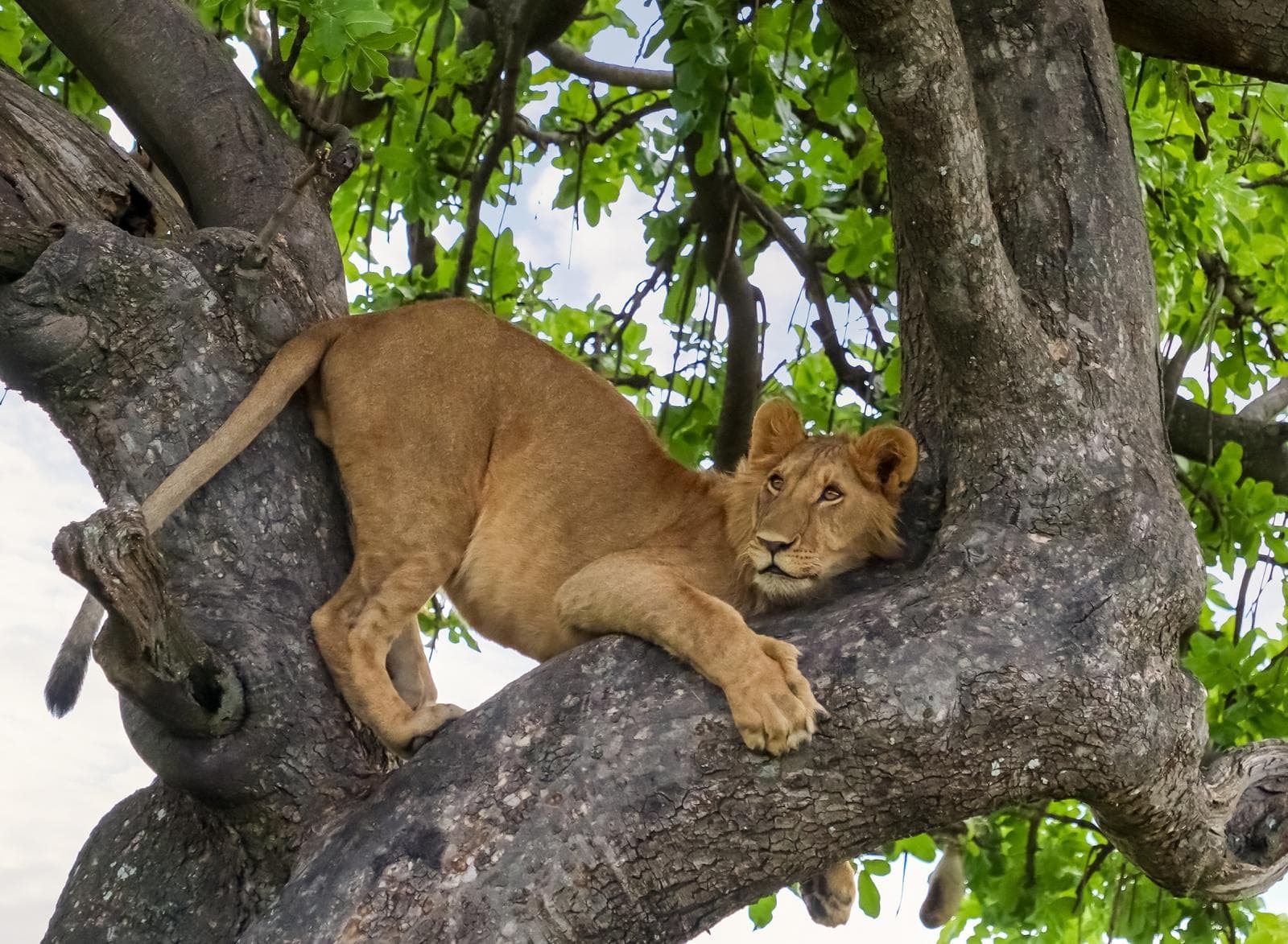
Entebbe for the Seasoned Traveler: Where to Stay, Drink Coffee and Spend Your Time
Discover the best places to stay, drink Ugandan coffee and explore Entebbe, from Lake Victoria cruises and botanical gardens to shoebill tracking and conservation experiences. For many visitors, Entebbe is simply the place where their flight lands before they continue to Kampala, Bwindi, Murchison Falls, or another part of Uganda. Experienced travelers know better. Set along the northern shores of Lake Victoria, Entebbe offers something increasingly rare in modern travel: a gentle arrival. Its leafy streets, tropical gardens, lakeside restaurants, historic institutions, and unhurried atmosphere provide a welcome transition between an international flight and the intensity of an African safari. Entebbe does not demand that you rush from one attraction to another. It rewards travelers who stay for a night or two, recover from the journey, drink good Ugandan coffee, and explore at a considered pace.
Read more