The Abyssinian Ground Hornbill
Where to Find the Abyssinian Ground Hornbill in East Africa
For birdwatchers and safari enthusiasts, East Africa offers several prime locations to observe the Abyssinian Ground Hornbill in its natural habitat:
- Uganda: Murchison Falls National Park and Kidepo Valley National Park provide excellent opportunities to spot these magnificent birds in open savannas.
- Kenya: Samburu National Reserve, Tsavo National Parks, and Meru National Park are key locations where they thrive in dry woodlands and grasslands.
- South Sudan & Tanzania: While less commonly observed, they can be found in drier regions, particularly in protected reserves and national parks.
The best time to see Abyssinian Ground Hornbills is during the early morning and late afternoon when they are most active, foraging for food.
Behavior and Diet
Unlike most hornbills, which are arboreal, the Abyssinian Ground Hornbill prefers to walk on the ground in search of food. It is a carnivorous species, feeding on a variety of prey, including small mammals, reptiles, amphibians, and large insects. They have also been known to scavenge carrion, making them important contributors to the ecosystem by controlling pest populations and cleaning up decomposing matter.
These birds are highly intelligent and are often observed using their large bills to flip over rocks and debris in search of hidden prey. They sometimes hunt cooperatively, especially when targeting larger prey such as rodents and small snakes.
Breeding and Social Structure
Abyssinian Ground Hornbills form strong, monogamous pairs that can remain together for life. Unlike other hornbill species that seal their females inside tree cavities during incubation, this species uses large tree hollows or rock crevices but does not seal the nest. The female lays one or two eggs, though usually, only one chick survives to adulthood due to intense sibling competition.
One of the most remarkable aspects of their reproductive cycle is the extended parental care. Chicks can remain dependent on their parents for up to three years, a rare trait among birds. This long developmental period contributes to their slow reproduction rate, making them particularly vulnerable to population declines.
Cultural Significance and Conservation
The Abyssinian Ground Hornbill has significant cultural importance in many African communities. In some traditions, they are considered symbols of strength and protection, while in others, they are associated with omens. Due to their distinctive appearance and behaviors, they often feature in folklore and storytelling.
Despite their cultural significance, Abyssinian Ground Hornbills face several conservation challenges. They are classified as Near Threatened by the IUCN due to habitat destruction, hunting, and illegal wildlife trade. The conversion of savanna lands into agricultural areas reduces their available habitat, while some communities hunt them for traditional medicine or food.
Conservation efforts include habitat protection, anti-poaching measures, and community-based education programs to raise awareness about the species’ ecological importance. Ecotourism also plays a role in their conservation, as birdwatchers and nature enthusiasts contribute to local economies and conservation initiatives.
Why Birdwatchers Should Seek Out the Abyssinian Ground Hornbill
For birdwatchers, the Abyssinian Ground Hornbill is a must-see species. Its sheer size, distinctive appearance, and fascinating behavior make it a highlight of any birdwatching expedition in East Africa. Moreover, its preference for open landscapes makes it relatively easy to spot compared to more elusive forest-dwelling birds.
To increase the chances of seeing this magnificent bird, travelers can incorporate visits to key national parks and reserves where they are commonly found. Many East African tour operators, including Musana Tours and Travel, offer specialized birdwatching safaris that include opportunities to observe the Abyssinian Ground Hornbill in its natural habitat.
Conclusion
The Abyssinian Ground Hornbill stands as a remarkable species that embodies the grandeur of East Africa’s savannas. As both a predator and scavenger, it plays an essential role in maintaining ecosystem balance. For those with a passion for birdwatching, conservation, or simply experiencing Africa’s rich biodiversity, spotting this incredible bird in the wild is an unforgettable moment. By supporting sustainable tourism and conservation efforts, travelers can help ensure that future generations continue to witness the beauty of the Abyssinian Ground Hornbill in East Africa’s breathtaking landscapes.
Where to Find the Abyssinian Ground Hornbill in East Africa
For birdwatchers and safari enthusiasts, East Africa offers several prime locations to observe the Abyssinian Ground Hornbill in its natural habitat:
- Uganda: Murchison Falls National Park and Kidepo Valley National Park provide excellent opportunities to spot these magnificent birds in open savannas.
- Kenya: Samburu National Reserve, Tsavo National Parks, and Meru National Park are key locations where they thrive in dry woodlands and grasslands.
- South Sudan & Tanzania: While less commonly observed, they can be found in drier regions, particularly in protected reserves and national parks.
The best time to see Abyssinian Ground Hornbills is during the early morning and late afternoon when they are most active, foraging for food.
Behavior and Diet
Unlike most hornbills, which are arboreal, the Abyssinian Ground Hornbill prefers to walk on the ground in search of food. It is a carnivorous species, feeding on a variety of prey, including small mammals, reptiles, amphibians, and large insects. They have also been known to scavenge carrion, making them important contributors to the ecosystem by controlling pest populations and cleaning up decomposing matter.
These birds are highly intelligent and are often observed using their large bills to flip over rocks and debris in search of hidden prey. They sometimes hunt cooperatively, especially when targeting larger prey such as rodents and small snakes.
Breeding and Social Structure
Abyssinian Ground Hornbills form strong, monogamous pairs that can remain together for life. Unlike other hornbill species that seal their females inside tree cavities during incubation, this species uses large tree hollows or rock crevices but does not seal the nest. The female lays one or two eggs, though usually, only one chick survives to adulthood due to intense sibling competition.
One of the most remarkable aspects of their reproductive cycle is the extended parental care. Chicks can remain dependent on their parents for up to three years, a rare trait among birds. This long developmental period contributes to their slow reproduction rate, making them particularly vulnerable to population declines.
Cultural Significance and Conservation
The Abyssinian Ground Hornbill has significant cultural importance in many African communities. In some traditions, they are considered symbols of strength and protection, while in others, they are associated with omens. Due to their distinctive appearance and behaviors, they often feature in folklore and storytelling.
Despite their cultural significance, Abyssinian Ground Hornbills face several conservation challenges. They are classified as Near Threatened by the IUCN due to habitat destruction, hunting, and illegal wildlife trade. The conversion of savanna lands into agricultural areas reduces their available habitat, while some communities hunt them for traditional medicine or food.
Conservation efforts include habitat protection, anti-poaching measures, and community-based education programs to raise awareness about the species’ ecological importance. Ecotourism also plays a role in their conservation, as birdwatchers and nature enthusiasts contribute to local economies and conservation initiatives.
Why Birdwatchers Should Seek Out the Abyssinian Ground Hornbill
For birdwatchers, the Abyssinian Ground Hornbill is a must-see species. Its sheer size, distinctive appearance, and fascinating behavior make it a highlight of any birdwatching expedition in East Africa. Moreover, its preference for open landscapes makes it relatively easy to spot compared to more elusive forest-dwelling birds.
To increase the chances of seeing this magnificent bird, travelers can incorporate visits to key national parks and reserves where they are commonly found. Many East African tour operators, including Musana Tours and Travel, offer specialized birdwatching safaris that include opportunities to observe the Abyssinian Ground Hornbill in its natural habitat.
Conclusion
The Abyssinian Ground Hornbill stands as a remarkable species that embodies the grandeur of East Africa’s savannas. As both a predator and scavenger, it plays an essential role in maintaining ecosystem balance. For those with a passion for birdwatching, conservation, or simply experiencing Africa’s rich biodiversity, spotting this incredible bird in the wild is an unforgettable moment. By supporting sustainable tourism and conservation efforts, travelers can help ensure that future generations continue to witness the beauty of the Abyssinian Ground Hornbill in East Africa’s breathtaking landscapes.
Related Birds
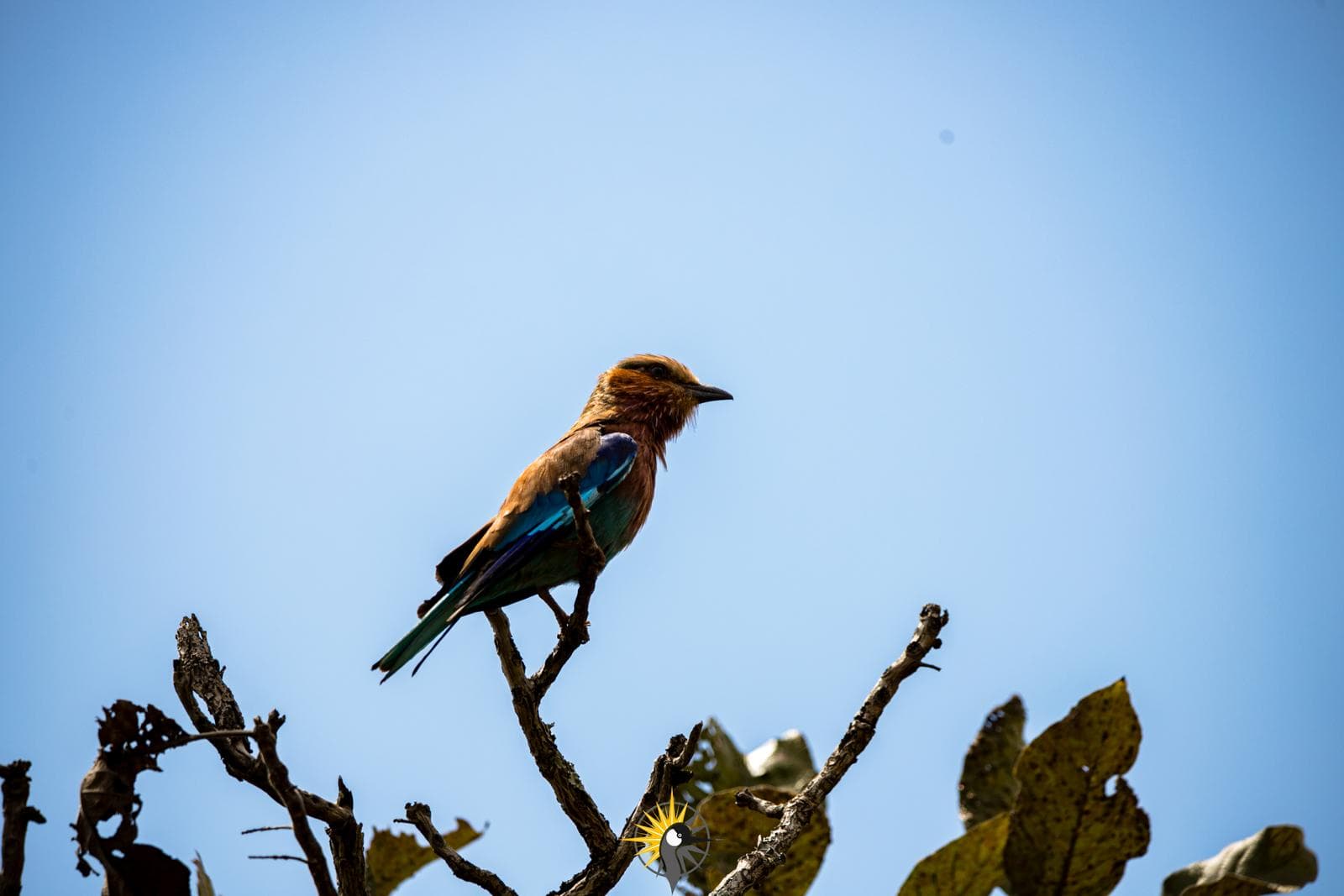
Lilac Breasted Roller
See the iconic Lilac-Breasted Roller on birding safaris in Kenya, Tanzania, Uganda & Rwanda. Expert-guided tours for USA, UK & Europe.
View bird
The African Wattled Lapwing
Spot African Wattled Lapwings in Uganda & Rwanda. Expert-guided birding safaris for USA, UK & Europe travelers with Musana Tours.
View bird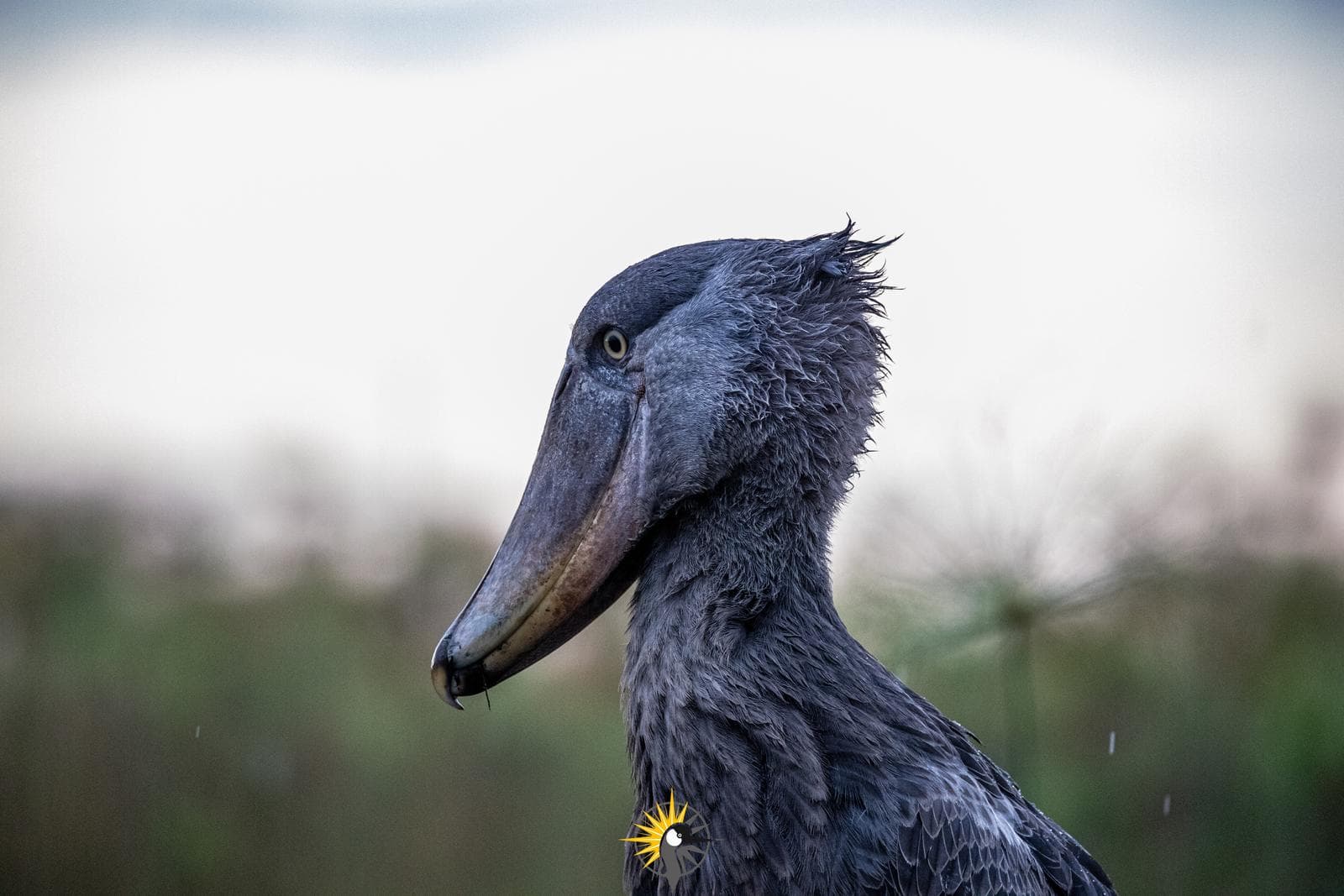
The Shoebill Stork
Discover shoebill stork safaris in Uganda & Rwanda. Expert-guided birdwatching tours for USA, UK & Europe travelers. Book with Musana Tours.
View birdEast Africa Safari Packages in Uganda, Rwanda, Kenya, Tanzania & DRC
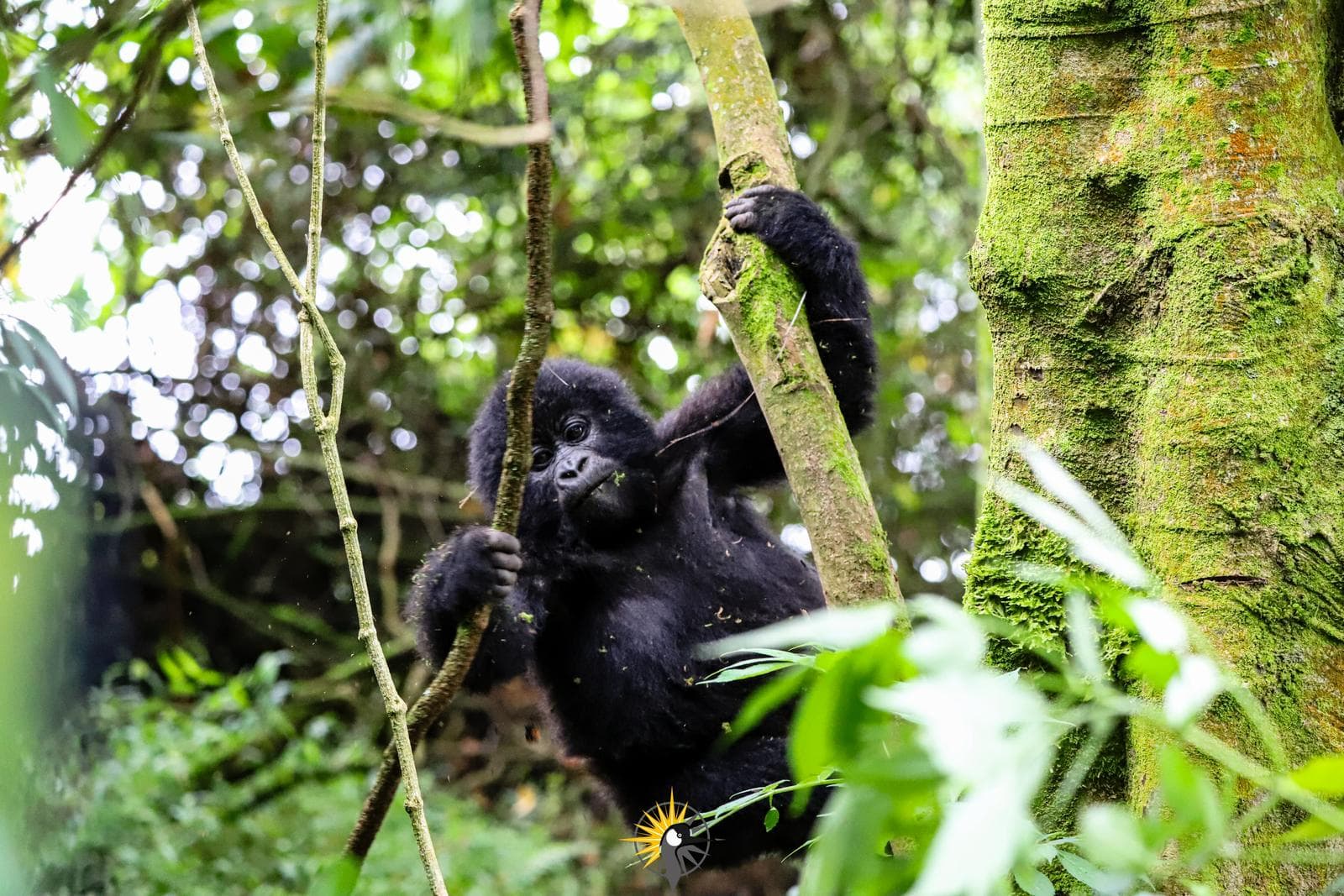
2 Days Gorilla trekking in Uganda

3 Days Uganda mid range tour
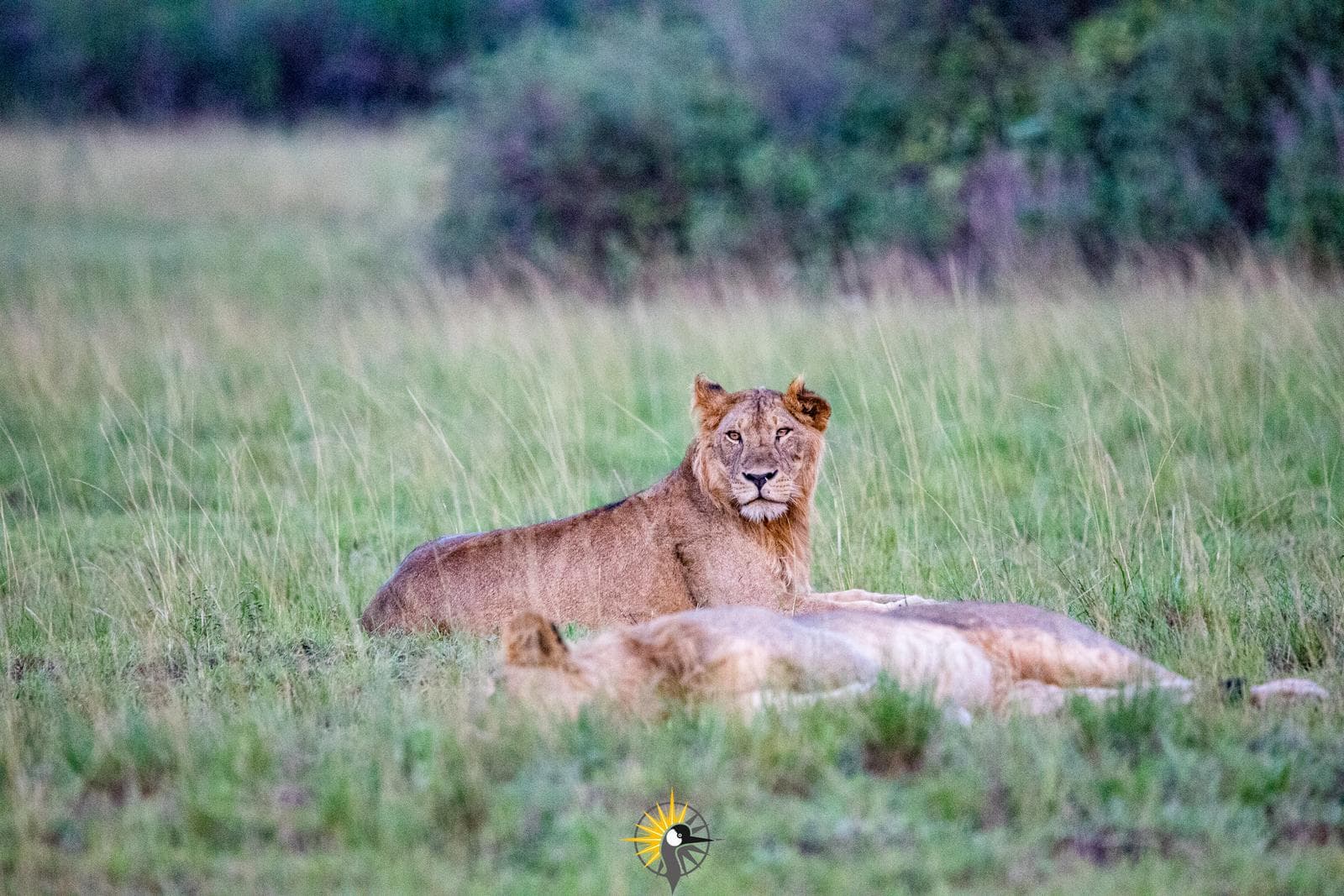
12 Days Uganda Wildlife Safari and Rwanda with Lake Kivu
News and Updates
Uganda, Rwanda Primate Trekking and African Safari Packing List
Plan your Uganda and Rwanda safari with a practical packing list for gorilla, chimpanzee and golden monkey trekking, game drives and changing weather.
Read more
Cash Payments and US Dollar Guidelines
Learn how to pay your safari balance in Uganda, Rwanda and Tanzania, including US dollar cash requirements, card payments, fees and local currencies.
Read more
Entebbe for the Seasoned Traveler: Where to Stay, Drink Coffee and Spend Your Time
Discover the best places to stay, drink Ugandan coffee and explore Entebbe, from Lake Victoria cruises and botanical gardens to shoebill tracking and conservation experiences. For many visitors, Entebbe is simply the place where their flight lands before they continue to Kampala, Bwindi, Murchison Falls, or another part of Uganda. Experienced travelers know better. Set along the northern shores of Lake Victoria, Entebbe offers something increasingly rare in modern travel: a gentle arrival. Its leafy streets, tropical gardens, lakeside restaurants, historic institutions, and unhurried atmosphere provide a welcome transition between an international flight and the intensity of an African safari. Entebbe does not demand that you rush from one attraction to another. It rewards travelers who stay for a night or two, recover from the journey, drink good Ugandan coffee, and explore at a considered pace.
Read more