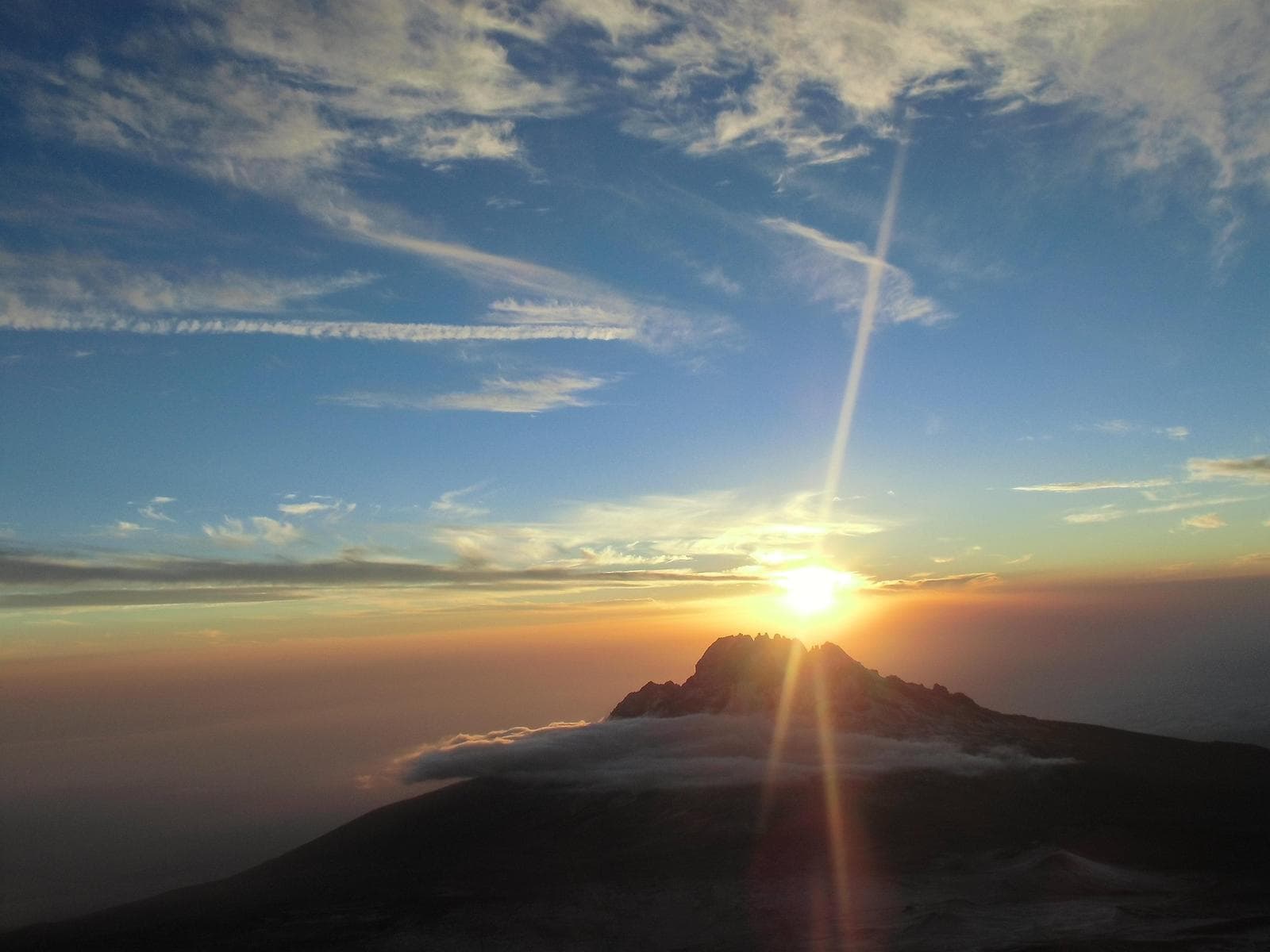
Kilimanjaro National Park
A Journey Through Five Climatic Zones
Climbing Mount Kilimanjaro is like walking from the equator to the Arctic in just a few days. The trek passes through an extraordinary range of landscapes:
- Cultivated foothills with farms and villages
- Lush montane rainforest, home to colobus monkeys and rich birdlife
- Moorland zones with giant lobelias and senecios
- Alpine desert, stark and surreal
- Glacial summit zone, crowned with ice, snow, and sweeping views
Each zone offers a completely different experience, making the climb as visually rewarding as it is physically challenging.
Top Things to Do in Kilimanjaro National Park
Climb Uhuru Peak
Reaching Uhuru Peak at 5,895 meters is the ultimate achievement for most visitors. Several established routes, including Machame, Marangu, Lemosho, and Rongai, offer different scenery and difficulty levels, allowing climbers to choose the experience that suits them best.
Nature Walks in the Foothills
For those not attempting the summit, guided nature walks around the Shira Plateau and lower slopes provide stunning views of the mountain, rich biodiversity, and opportunities to interact with local communities and traditional villages.
Mountain Biking Adventures
Explore Kilimanjaro’s foothills by bike, riding through coffee plantations, green valleys, and rural villages. This is an excellent way to experience the region’s culture and landscapes at a relaxed pace.
Trout Fishing
Several clear mountain streams flowing from Mount Kilimanjaro offer opportunities for trout fishing, a lesser-known but enjoyable activity for nature lovers.
Visit Lake Chala
Located near the Kenya–Tanzania border, Lake Chala is a mystical crater lake formed by volcanic activity. Its deep blue waters and tranquil setting make it a perfect place to unwind after a climb or hike.
Why Visit Mount Kilimanjaro with Musana Tours and Travel
Musana Tours and Travel provides expertly guided Kilimanjaro experiences designed for safety, comfort, and success.
- Experienced mountain guides and porters
- Well-planned acclimatization itineraries
- Personalized trekking routes
- Responsible and sustainable tourism practices
- Seamless logistics from arrival to summit
Whether you aim to reach Uhuru Peak or explore the foothills, Musana Tours and Travel ensures a memorable and well-supported adventure.
Best Time to Visit Mount Kilimanjaro
The best months to climb Kilimanjaro are during the dry seasons:
- January to March
- June to October
These periods offer clearer skies, better trail conditions, and excellent summit success rates.
Conclusion
Mount Kilimanjaro National Park is more than just Africa’s highest peak, it’s a journey through diverse ecosystems, cultures, and landscapes found nowhere else on Earth. From summiting Uhuru Peak to exploring rainforest trails and crater lakes, Kilimanjaro offers unforgettable experiences for every type of traveler.
With Musana Tours and Travel, your Kilimanjaro adventure is expertly planned, responsibly guided, and truly life-changing.
0 Frequently Asked Questions
Have any inquiries?
Related safaris
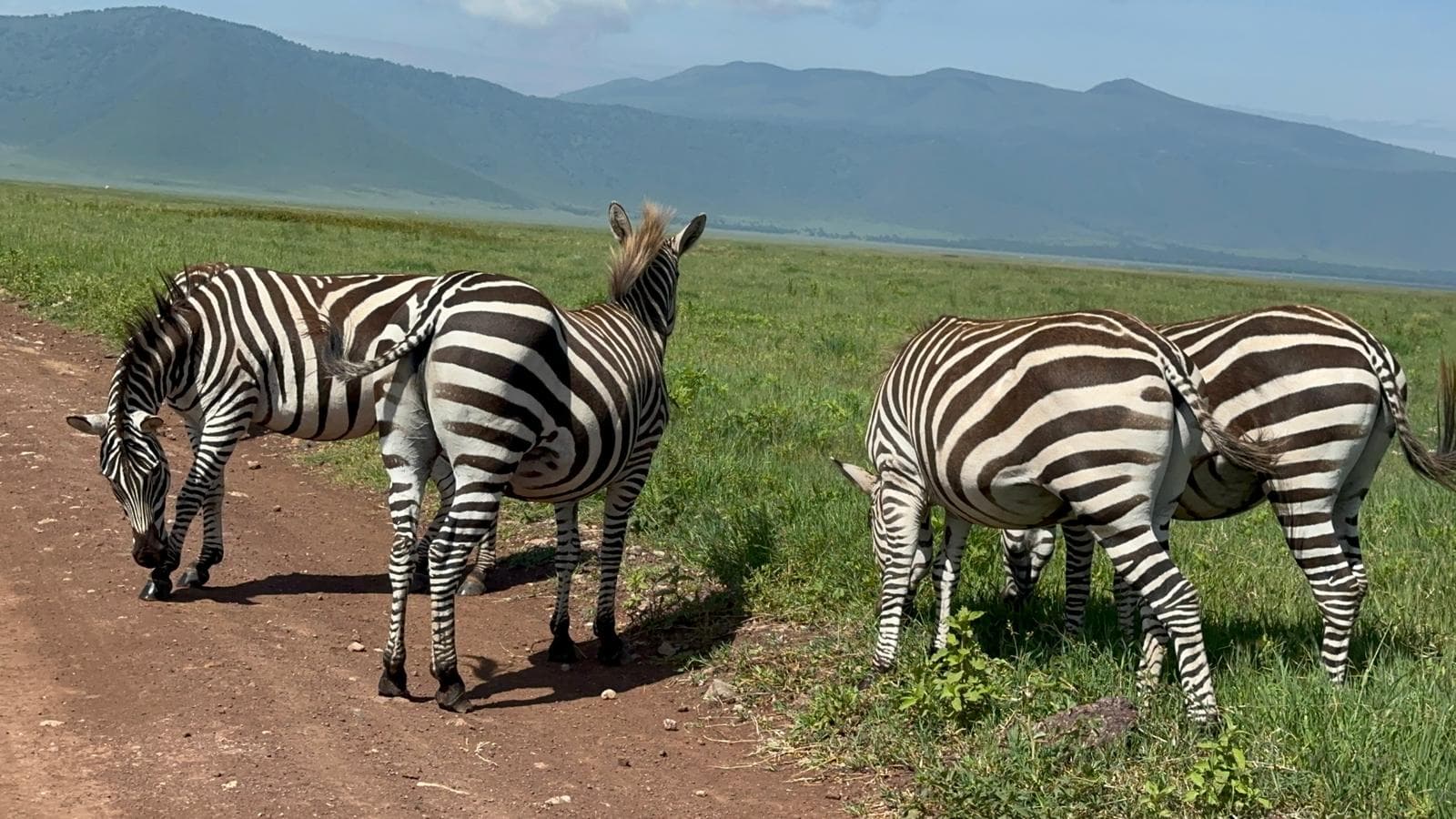
9 Days Gorilla tracking in Uganda, Tarangire, Ngorongoro, and Serengeti National Park in Tanzania
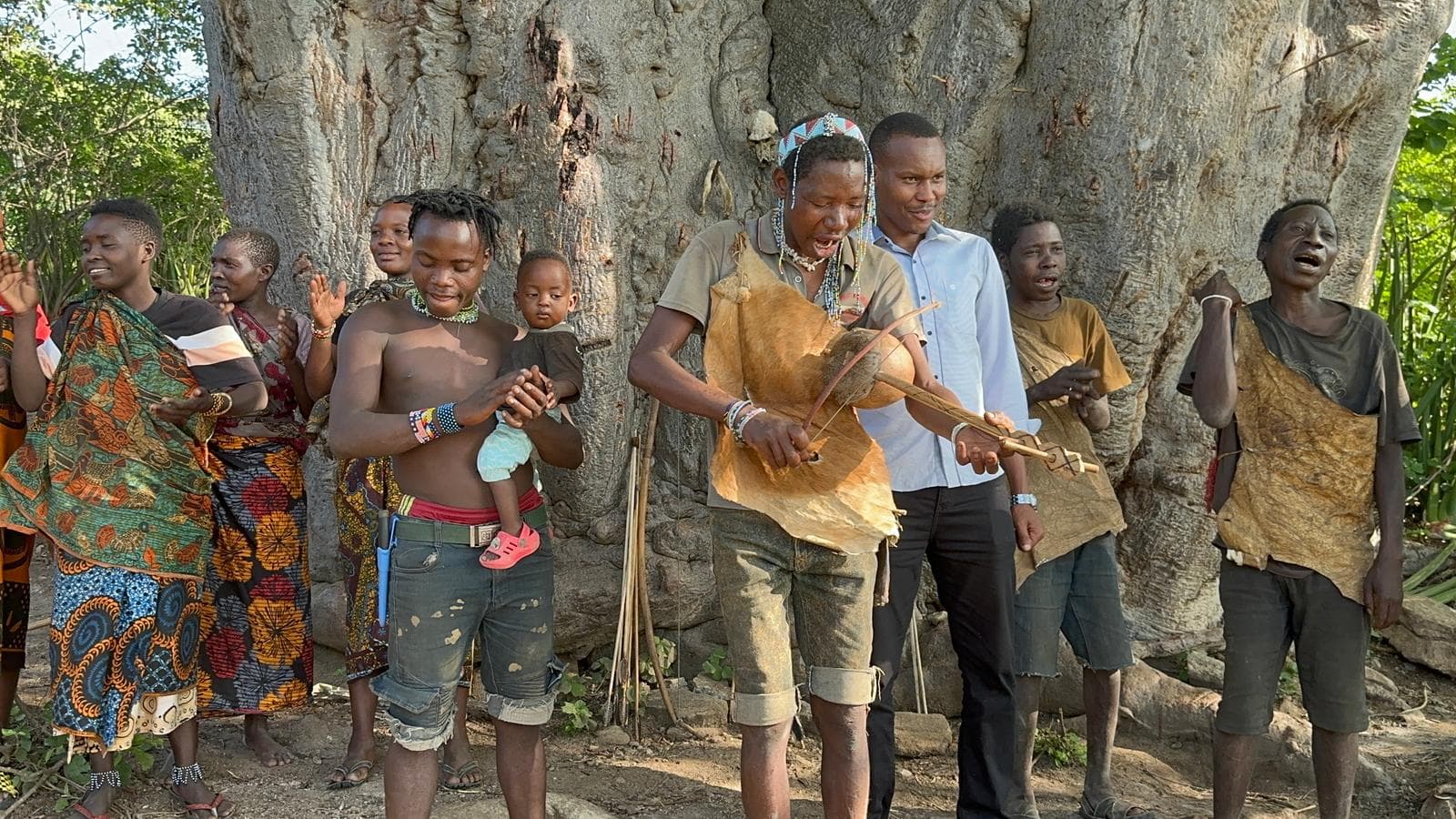
3 Days Hadzabe, Masai and Ngorongoro Crater Safari, Tanzania
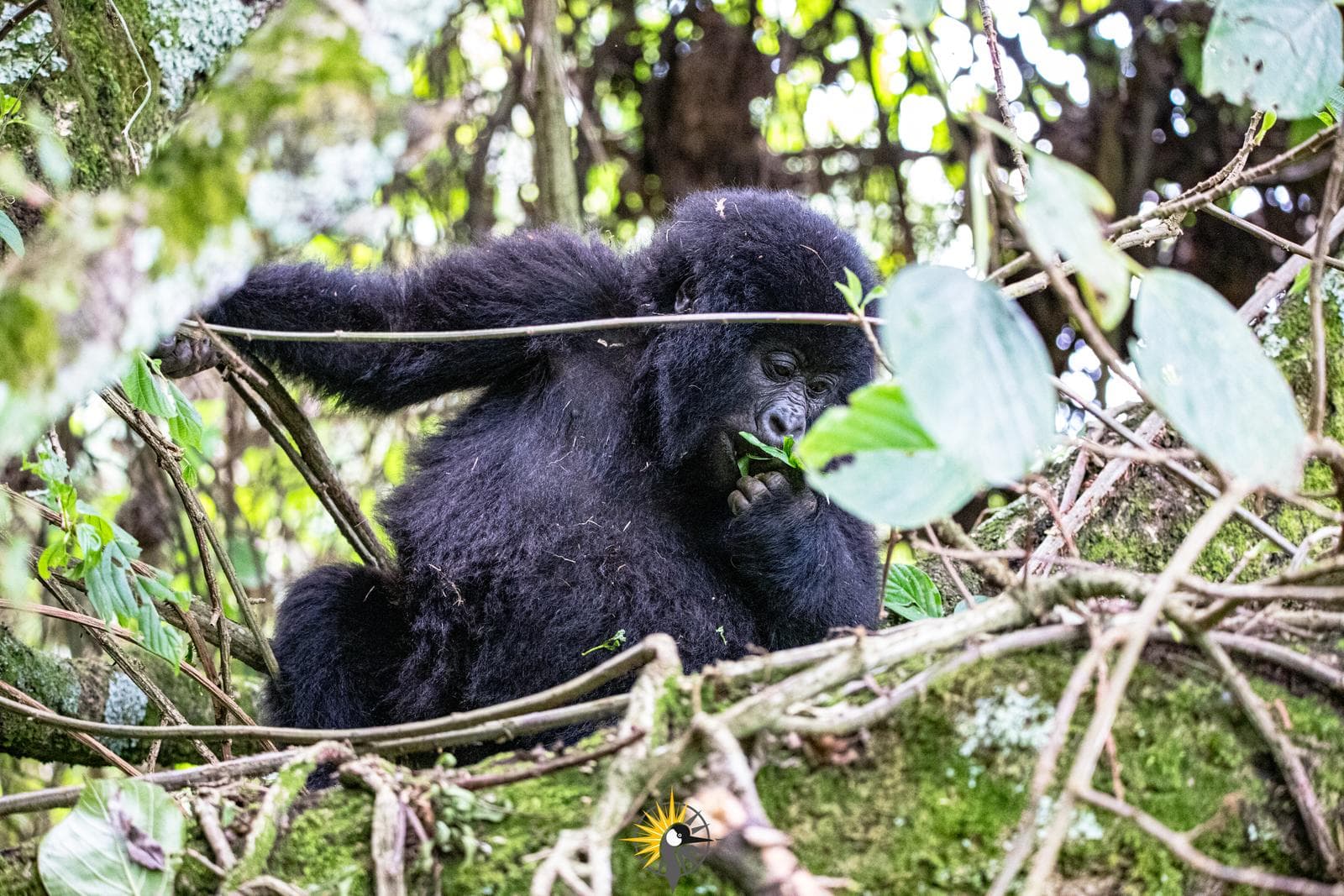
21 Days Epic East Africa safari, gorilla trekking in Bwindi, Big Five safaris and Zanzibar Beach escape
Related parks
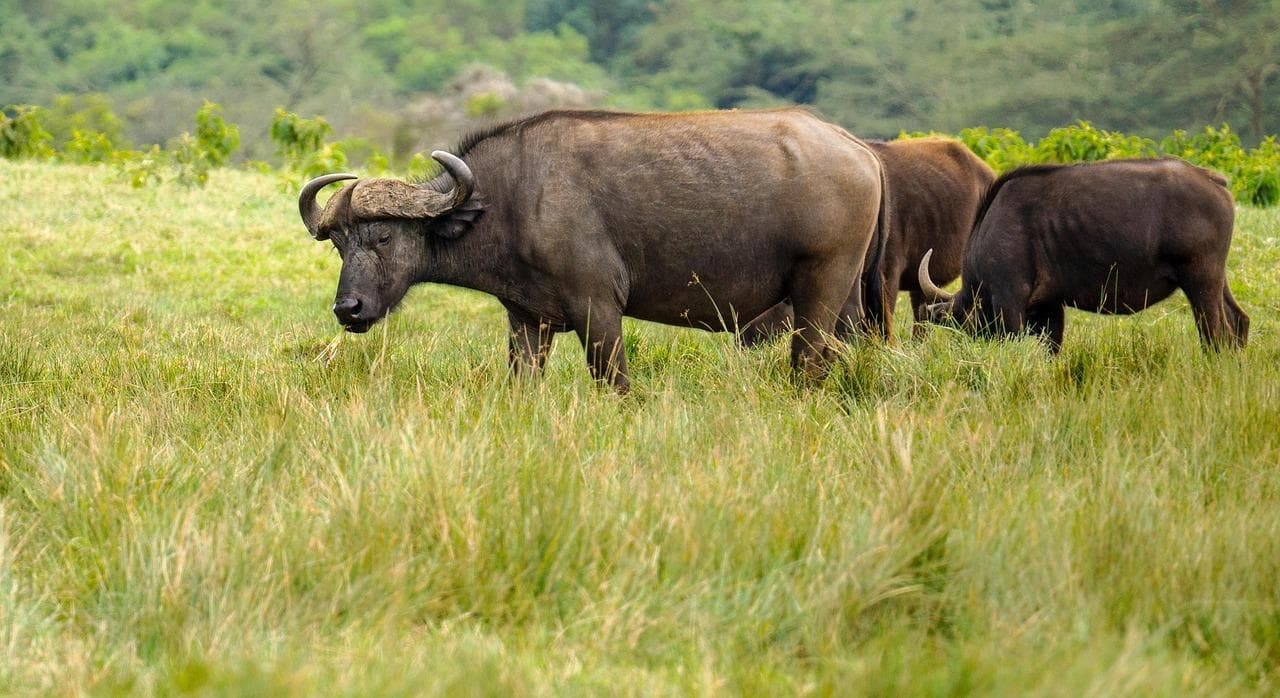
Arusha national park
Explore Arusha National Park with Mount Meru, Momella Lakes, walking safaris, canoe trips, and diverse wildlife in Tanzania’s most scenic park.
View park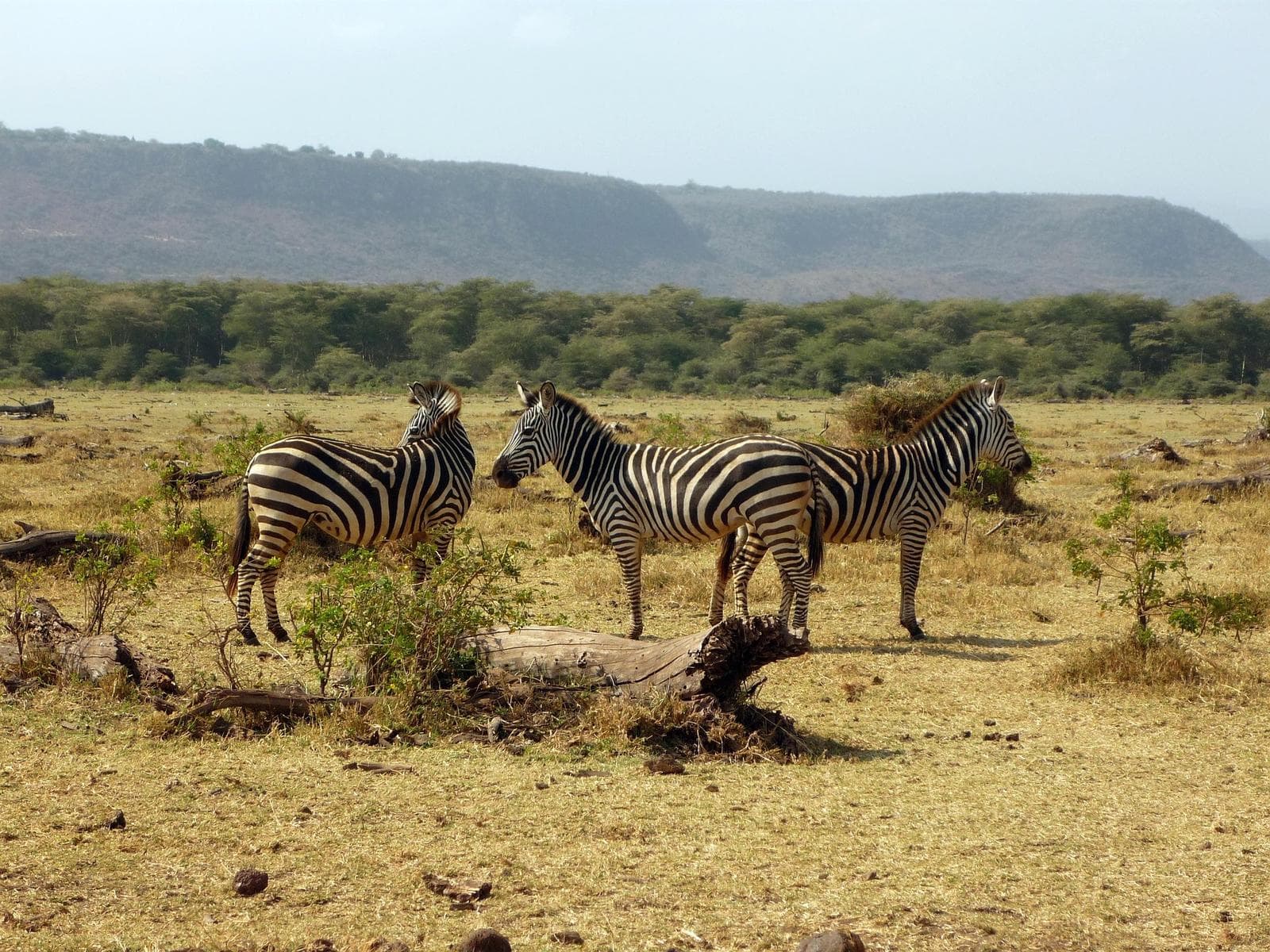
Lake Manyara National Park
Explore Lake Manyara National Park: tree-climbing lions, birdwatching, night safaris, and hot springs for an unforgettable Tanzania adventure.
View park
Zanzibar
Explore Zanzibar’s pristine beaches, rich history, and vibrant culture. Discover Stone Town, spice farms, Jozani Forest, and adventure activities in this ultimate Zanzibar travel guide.
View parkNews and Updates
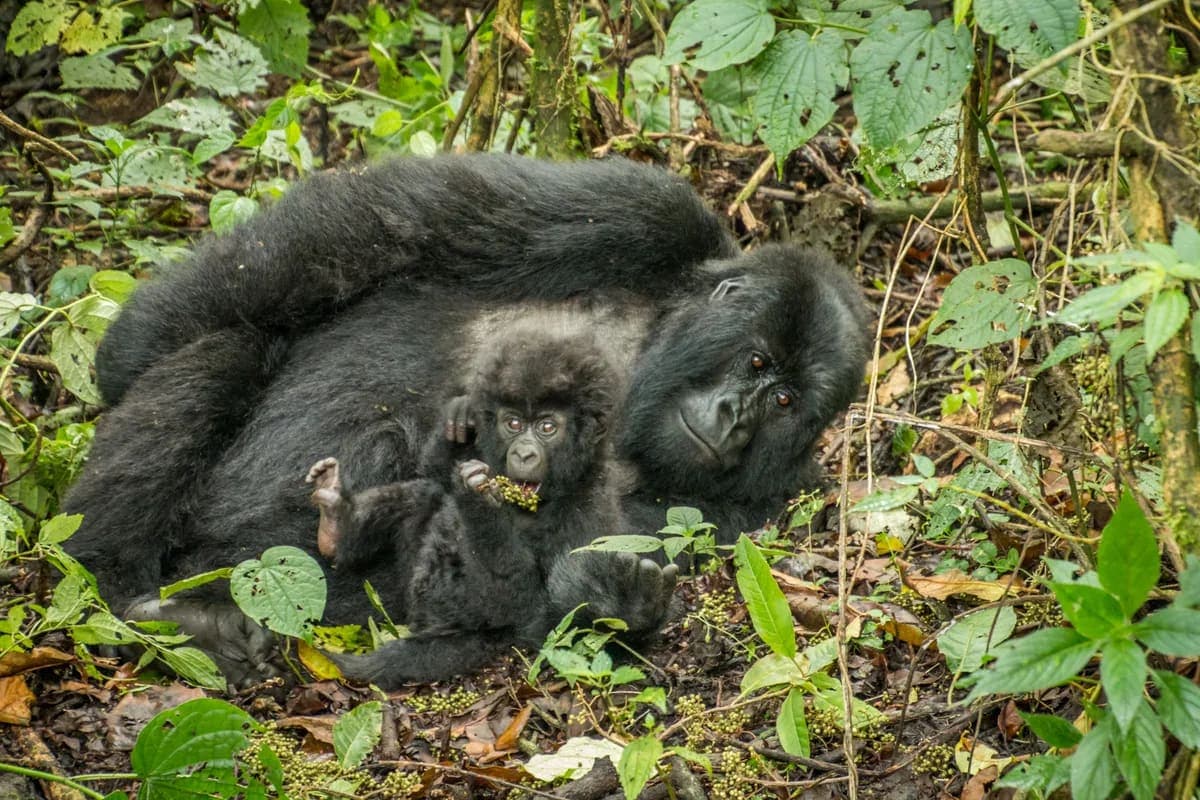
Uganda, Rwanda Primate Trekking and African Safari Packing List
Plan your Uganda and Rwanda safari with a practical packing list for gorilla, chimpanzee and golden monkey trekking, game drives and changing weather.
Read more
Cash Payments and US Dollar Guidelines
Learn how to pay your safari balance in Uganda, Rwanda and Tanzania, including US dollar cash requirements, card payments, fees and local currencies.
Read more
Entebbe for the Seasoned Traveler: Where to Stay, Drink Coffee and Spend Your Time
Discover the best places to stay, drink Ugandan coffee and explore Entebbe, from Lake Victoria cruises and botanical gardens to shoebill tracking and conservation experiences. For many visitors, Entebbe is simply the place where their flight lands before they continue to Kampala, Bwindi, Murchison Falls, or another part of Uganda. Experienced travelers know better. Set along the northern shores of Lake Victoria, Entebbe offers something increasingly rare in modern travel: a gentle arrival. Its leafy streets, tropical gardens, lakeside restaurants, historic institutions, and unhurried atmosphere provide a welcome transition between an international flight and the intensity of an African safari. Entebbe does not demand that you rush from one attraction to another. It rewards travelers who stay for a night or two, recover from the journey, drink good Ugandan coffee, and explore at a considered pace.
Read more